

Cell Phones, Distracted Driving, and Car Accidents
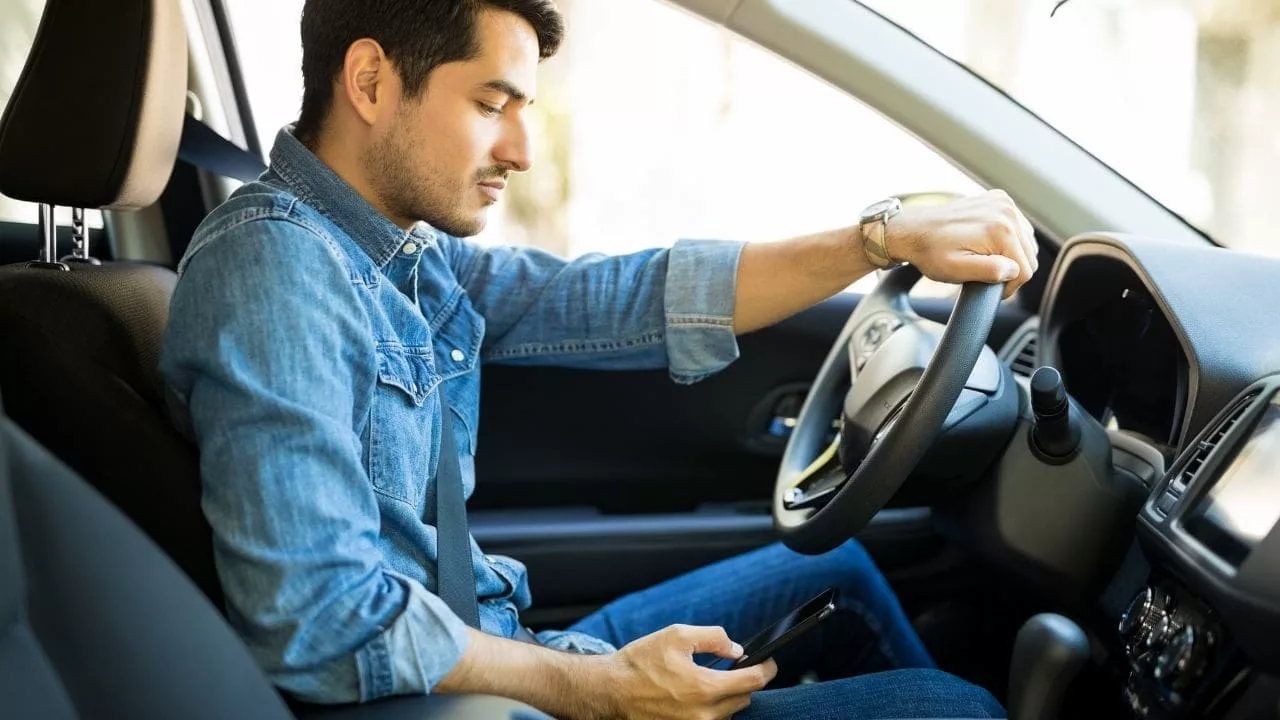
Distracted driving kills thousands of people in the United States every year: NHTSA’s Distracted Driving in 2024 report counted 3,208 people killed and an estimated 315,167 injured in distraction-affected collisions. Under KRS 189.292, texting while driving is illegal for all Kentucky drivers. When a Louisville driver breaks that law and causes a crash, the legal framework for the injury claim and the paths to the evidence are well defined.
Distracted Driving Exposure in Louisville
Louisville’s urban density, dense arterial intersections, downtown corridor, and high pedestrian activity near the University of Louisville, NuLu, and the Highlands create constant exposure to distracted driver crashes. The most dangerous roads in Louisville for distracted driving include arterials like Bardstown Road, Dixie Highway, and Shelbyville Road, where intersection frequency and mixed pedestrian and vehicle traffic compound the risks. Broader local crash patterns are covered in Louisville car accident statistics and trends.
Kentucky Distracted Driving Laws
Kentucky’s distracted driving statutes create clear legal duties, and a violation of those duties bears directly on an injury claim.
KRS 189.292 Texting Ban for All Drivers
In effect since 2010, KRS 189.292 prohibits any driver of a moving vehicle on the traveled portion of a roadway from writing, sending, or reading text-based communication on a personal communication device. The law exempts GPS use, entering a phone number or name to make a call, emergency and public safety operators performing official duties, and texts sent to report illegal activity, summon medical aid or police, or prevent injury. Under KRS 189.990(30), the fine is $25 for a first offense and $50 for each subsequent offense.
KRS 189.294 Device Ban for Drivers Under 18
Drivers under 18 face a complete ban on personal communication device use while driving under KRS 189.294. The ban covers calls, texting, and manually entering information into a phone’s GPS, with an exception only for summoning medical aid or law enforcement in an emergency.
Negligence Per Se in Distracted Driving Claims
A driver who violates KRS 189.292 faces more than a traffic fine. Under KRS 446.070, a person injured by the violation of any statute may recover the damages sustained by reason of the violation, and Kentucky’s negligence per se doctrine treats the statute violation as the breach of duty. The injured person does not have to show separately that the driver behaved unreasonably, so the case centers on causation and damages: how the violation caused the crash, how badly the person was hurt, and what full compensation includes.
Hands-Free Phone Use and Cognitive Distraction
Hands-free calling does not remove distraction. The Centers for Disease Control and Prevention identifies three types of distraction: visual, taking eyes off the road; manual, taking hands off the wheel; and cognitive, taking the mind off driving. A hands-free phone call keeps hands on the wheel and eyes on the road, but it still produces cognitive distraction.
Hands-free use does not violate KRS 189.292. It can still support a negligence claim through the general duty to drive with proper attention, when the facts show the driver’s reaction time or hazard detection was compromised.
Other Forms of Distracted Driving in Louisville Crashes
Phone use is only one category of driver distraction. Serious injury crashes in Louisville also involve:
- Eating and drinking while driving, which takes hands off the wheel and eyes off the road at the same time.
- In-vehicle infotainment systems, where touchscreen maps and audio controls pull the driver’s eyes off the road.
- Passenger interaction, such as turning to speak with rear passengers or reaching for items in the back seat.
- Grooming, such as applying makeup, shaving, or adjusting appearance in the rearview mirror.
- External distraction, such as looking at crash scenes, billboards, or events outside the vehicle.
- Impaired driving, since alcohol and drug impairment is itself a cognitive distraction.
At 55 mph, a vehicle covers about 400 feet in five seconds, more than the length of a football field. A driver who reads a text for five seconds at that speed is not watching the road for that entire distance. When a distracted driver causes a crash at a traffic-light-controlled intersection or in a rear-end collision, the facts of that five-second window are the center of the case.
Ready to Take Action on Your Injury Claim?
After a serious injury, medical bills pile up while the insurance company looks for ways to pay you less. Most law firms take their cut first and leave you with whatever is left. Sam Aguiar Injury Lawyers does things differently. With our exclusive Bigger Share Guarantee®, you always get more. Every client gets a dedicated three-person team: an attorney, a case manager, and a legal assistant. We never raise our fee rate if we have to go to court, and you pay $0 Out-Of-Pocket Forever.
Frequently Asked Questions
1Is texting while driving illegal in Kentucky?+
2Can a teen driver use a phone while driving in Kentucky?+
3What if there is no direct evidence the driver was on a phone?+
4What damages are available in a Louisville distracted driving case?+
Latest Articles
Kentucky Diminished Value Claims
Kentucky drivers may pursue a repaired vehicle’s leftover market loss from the at-fault driver as part of a.
FMCSA Revoked ELDs: Fleet Compliance and Enforcement Deadlines
FMCSA removed five electronic logging devices from the registered list on August 6, 2026, and set an October.

FMCSA English Proficiency Rule and OOS Enforcement
FMCSA English Proficiency Rule Sam Aguiar Injury Lawyers August 11, 2026 7 minute read On This Page.