{ “@context”: “https://schema.org”, “@type”: “FAQPage”, “mainEntity”: [ { “@type”: “Question”, “name”: “What is the difference between umbrella and excess insurance?”, “acceptedAnswer”: { “@type”: “Answer”, “text”: “Umbrella insurance provides broader coverage across multiple liability policies and can cover claims the underlying policy excludes. Excess insurance is narrower: it follows the exact terms and exclusions of one specific underlying policy, just at higher limits. Both activate after the base policy is exhausted.” } }, { “@type”: “Question”, “name”: “Does the at-fault driver have to tell me about their umbrella policy?”, “acceptedAnswer”: { “@type”: “Answer”, “text”: “No. Insurance companies do not volunteer information about umbrella or excess policies. The at-fault driver may not even know they have one. Identifying additional coverage layers requires requesting the full declarations page, and in litigation, using formal discovery to compel disclosure of all active policies.” } }, { “@type”: “Question”, “name”: “When does umbrella coverage matter in a car accident case?”, “acceptedAnswer”: { “@type”: “Answer”, “text”: “Umbrella coverage becomes critical when the injured personu2019s documented damages exceed the at-fault driveru2019s standard auto policy limits. This is most common in catastrophic cases: traumatic brain injuries, spinal cord injuries, severe burns, wrongful death, and any injury requiring a long-term care projection.” } }, { “@type”: “Question”, “name”: “Do trucking companies carry umbrella insurance?”, “acceptedAnswer”: { “@type”: “Answer”, “text”: “Many commercial carriers carry umbrella or excess policies above their primary liability limits. The coverage picture in trucking cases is often complex: the trucking company, the freight broker, the shipper, and the vehicle owner may each carry separate policies with their own umbrella or excess layers.” } }, { “@type”: “Question”, “name”: “Can I access umbrella coverage if I settle the base policy claim?”, “acceptedAnswer”: { “@type”: “Answer”, “text”: “It depends on how the settlement is structured. Accepting the base policy limits without confirming whether umbrella or excess coverage exists could leave significant money on the table. A proper resolution requires identifying all available coverage before agreeing to any settlement.” } }, { “@type”: “Question”, “name”: “How do I find out if the at-fault driver has umbrella coverage?”, “acceptedAnswer”: { “@type”: “Answer”, “text”: “Request the at-fault driveru2019s full insurance declarations page, which lists all active policies. In litigation, formal discovery tools (interrogatories, requests for production) can compel disclosure. In commercial vehicle cases, contacting the carrieru2019s broker can reveal additional coverage layers.” } }, { “@type”: “Question”, “name”: “Does my own umbrella policy cover me in a car accident?”, “acceptedAnswer”: { “@type”: “Answer”, “text”: “Your own umbrella policy covers your liability to others, not your own injuries. If you are the at-fault driver and your liability exceeds your base auto policy, your umbrella would cover the excess. For your own injuries in a crash caused by someone else, the focus is on the at-fault driveru2019s coverage layers, including their umbrella and excess policies.” } } ] } .sa-page-wrapper * { font-family: ‘Poppins’, sans-serif !important; box-sizing: border-box !important; } .sa-page-wrapper { max-width: 100% !important; margin: 0 auto !important; padding: 0 !important; color: #0b212d !important; line-height: 1.5 !important; font-size: 17px !important; font-weight: 500 !important; background: #fff !important; } /* HERO */ .sa-hero { position: relative !important; width: 100% !important; min-height: 420px !important; overflow: hidden !important; display: flex !important; align-items: flex-end !important; } .sa-hero img { position: absolute !important; top: 0 !important; left: 0 !important; width: 100% !important; height: 100% !important; object-fit: cover !important; object-position: center !important; z-index: 1 !important; } .sa-hero-overlay { position: absolute !important; top: 0 !important; left: 0 !important; width: 100% !important; height: 100% !important; background: linear-gradient(to top, rgba(0,61,84,.92) 0, rgba(0,61,84,.6) 50%, rgba(0,61,84,.25) 100%) !important; z-index: 2 !important; } .sa-hero-content { position: relative !important; z-index: 3 !important; padding: 60px 40px 44px !important; max-width: 900px !important; width: 100% !important; } .sa-hero h1 { font-family: ‘Poppins’, sans-serif !important; font-size: 42px !important; font-weight: 700 !important; line-height: 1.25 !important; color: #fff !important; margin: 0 0 16px !important; text-shadow: 0 2px 8px rgba(0,0,0,.3) !important; } .sa-hero-sub { font-size: 22px !important; font-weight: 500 !important; color: #fff !important; line-height: 1.5 !important; margin: 0 !important; } /* TRUST BAR */ .sa-trust-bar { background: #fff !important; padding: 14px 40px !important; display: flex !important; flex-wrap: wrap !important; gap: 24px !important; align-items: center !important; justify-content: center !important; } .sa-trust-bar span { color: #f89c22 !important; font-size: 16px !important; font-weight: 600 !important; letter-spacing: .03em !important; white-space: nowrap !important; } .sa-trust-bar .sa-trust-divider { width: 1px !important; height: 16px !important; background: #0b212d !important; } /* CONTENT GRID */ .sa-content-grid { display: grid !important; grid-template-columns: 1fr 340px !important; gap: 48px !important; max-width: 1200px !important; margin: 0 auto !important; padding: 48px 40px !important; } /* MAIN CONTENT TYPOGRAPHY */ .sa-main-content h2 { font-size: 28px !important; font-weight: 700 !important; color: #0b212d !important; margin: 40px 0 16px !important; line-height: 1.25 !important; text-align: center !important; } .sa-main-content h3 { font-size: 22px !important; font-weight: 600 !important; color: #0b212d !important; margin: 32px 0 12px !important; line-height: 1.3 !important; text-align: center !important; } .sa-main-content p { font-size: 17px !important; line-height: 1.75 !important; color: #0b212d !important; margin: 0 0 18px !important; } .sa-main-content a { color: #0b212d !important; text-decoration: underline !important; font-weight: 500 !important; } .sa-main-content a:hover { color: #f89c22 !important; } /* SNIPPET */ .sa-snippet { background: #f7f9fa !important; border-left: 4px solid #f89c22 !important; padding: 20px 24px !important; margin: 0 0 32px !important; border-radius: 0 8px 8px 0 !important; font-size: 17px !important; line-height: 1.7 !important; color: #0b212d !important; } .sa-snippet p { color: #0b212d !important; } /* STAT ROW */ .sa-stat-row { display: grid !important; grid-template-columns: repeat(auto-fit, minmax(200px, 1fr)) !important; gap: 16px !important; margin: 28px 0 !important; } .sa-stat-card { background: #fff !important; border-radius: 10px !important; padding: 24px !important; text-align: center !important; border: 2px solid #0b212d !important; } .sa-stat-number { font-size: 22px !important; font-weight: 700 !important; color: #0b212d !important; display: block !important; line-height: 1.1 !important; margin-bottom: 6px !important; } .sa-stat-label { font-size: 22px !important; font-weight: 600 !important; color: #0b212d !important; line-height: 1.4 !important; } /* CALLOUT BOX */ .sa-callout { background: #fff !important; border: 2px solid #0b212d !important; border-radius: 12px !important; padding: 28px 32px !important; margin: 32px 0 !important; color: #0b212d !important; } .sa-callout h3 { color: #0b212d !important; font-size: 20px !important; font-weight: 700 !important; margin: 0 0 12px !important; text-align: center !important; } .sa-callout p { color: #0b212d !important; font-size: 18px !important; line-height: 1.65 !important; margin: 0 0 12px !important; } .sa-callout p:last-child { margin-bottom: 0 !important; } .sa-callout a { color: #0b212d !important; text-decoration: underline !important; font-weight: 600 !important; } .sa-callout a:hover { color: #f89c22 !important; } /* HIGHLIGHT BOX */ .sa-highlight-box { background: #0b212d !important; border-radius: 10px !important; padding: 22px 26px !important; margin: 28px 0 !important; } .sa-highlight-box p { font-size: 18px !important; color: #fff !important; line-height: 1.7 !important; margin: 0 !important; } .sa-highlight-box strong { color: #fff !important; } /* FAQ */ .sa-faq-section { margin: 40px 0 !important; } .sa-faq-item { border: 1px solid #e5e9ec !important; border-radius: 10px !important; margin-bottom: 12px !important; overflow: hidden !important; } .sa-faq-question { background: #fff !important; padding: 18px 52px 18px 20px !important; cursor: pointer !important; font-size: 17px !important; font-weight: 600 !important; color: #0b212d !important; position: relative !important; list-style: none !important; } .sa-faq-question::-webkit-details-marker { display: none !important; } .sa-faq-question::after { content: ‘+’ !important; position: absolute !important; right: 20px !important; top: 50% !important; transform: translateY(-50%) !important; font-size: 20px !important; color: #f89c22 !important; font-weight: 700 !important; } details[open] .sa-faq-question::after { content: ‘2212’ !important; } .sa-faq-answer { padding: 16px 20px 20px !important; font-size: 18px !important; line-height: 1.7 !important; color: #0b212d !important; } .sa-faq-answer p { color: #0b212d !important; font-size: 18px !important; } /* SIDEBAR */ .sa-sidebar-cta { background: #0b212d !important; border-radius: 14px !important; padding: 32px 28px !important; margin-bottom: 24px !important; text-align: center !important; } .sa-sidebar-cta h3 { color: #fff !important; font-size: 22px !important; font-weight: 700 !important; margin: 0 0 8px !important; line-height: 1.25 !important; } .sa-sidebar-cta p { color: #fff !important; font-size: 17px !important; line-height: 1.55 !important; margin: 0 0 20px !important; } .sa-phone-label { font-size: 18px !important; color: #fff !important; display: block !important; font-weight: 600 !important; margin-bottom: 6px !important; letter-spacing: .03em !important; } .sa-phone-link { display: block !important; background: #fff !important; color: #0b212d !important; font-size: 18px !important; font-weight: 700 !important; padding: 14px 20px !important; border-radius: 8px !important; text-decoration: underline !important; text-underline-offset: 4px !important; margin-bottom: 12px !important; border: 2px solid #f89c22 !important; box-shadow: 0 4px 16px rgba(248,156,34,.18), 0 2px 6px rgba(0,0,0,.1) !important; } .sa-phone-link:hover { color: #f89c22 !important; } .sa-sidebar-guarantee { background: #fff !important; border: 2px solid #0b212d !important; border-radius: 14px !important; padding: 24px !important; text-align: center !important; margin-bottom: 24px !important; box-shadow: 0 4px 16px rgba(248,156,34,.18), 0 2px 6px rgba(0,0,0,.1) !important; } .sa-bsg-logo { display: block !important; margin: 0 auto 12px !important; max-width: 120px !important; } .sa-sidebar-guarantee h4 { color: #f89c22 !important; font-size: 20px !important; font-weight: 700 !important; margin: 0 0 8px !important; } .sa-sidebar-guarantee p { color: #0b212d !important; font-size: 18px !important; line-height: 1.55 !important; margin: 0 !important; font-weight: 500 !important; } .sa-sidebar-trust { background: #f7f9fa !important; border: 1px solid #e5e9ec !important; border-radius: 14px !important; padding: 24px !important; } .sa-sidebar-trust h4 { color: #0b212d !important; font-size: 20px !important; font-weight: 700 !important; margin: 0 0 14px !important; text-align: center !important; } .sa-sidebar-trust ul { list-style: none !important; padding: 0 !important; margin: 0 !important; } .sa-sidebar-trust li { font-size: 18px !important; color: #0b212d !important; padding: 8px 0 !important; border-bottom: 1px solid #e5e9ec !important; font-weight: 500 !important; display: flex !important; align-items: center !important; gap: 8px !important; } .sa-sidebar-trust li:last-child { border-bottom: none !important; } .sa-sidebar-trust li::before { content: ‘✓’ !important; color: #f89c22 !important; font-weight: 700 !important; font-size: 16px !important; } /* CTA BANNER */ .sa-cta-banner { background: linear-gradient(135deg, #0b212d 0%, #142130 100%) !important; padding: 48px 40px !important; text-align: center !important; margin-top: 8px !important; position: relative !important; overflow: hidden !important; } .sa-cta-banner h2 { color: #fff !important; font-size: 32px !important; font-weight: 700 !important; margin: 0 0 12px !important; } .sa-cta-banner p { color: #d0d9df !important; font-size: 18px !important; margin: 0 0 28px !important; max-width: 600px !important; margin-left: auto !important; margin-right: auto !important; line-height: 1.6 !important; } .sa-cta-banner .sa-cta-phones { display: flex !important; justify-content: center !important; gap: 20px !important; flex-wrap: wrap !important; margin-bottom: 20px !important; } .sa-cta-banner .sa-cta-phone { display: inline-block !important; background: #fff !important; color: #0b212d !important; font-size: 22px !important; font-weight: 700 !important; padding: 16px 32px !important; border-radius: 8px !important; text-decoration: none !important; } .sa-cta-banner .sa-cta-phone:hover { color: #f89c22 !important; } .sa-cta-banner .sa-cta-sublabel { display: block !important; font-size: 18px !important; font-weight: 600 !important; margin-top: 8px !important; } .sa-cta-banner .sa-cta-subtext { color: #f89c22 !important; font-size: 18px !important; font-weight: 600 !important; margin: 0 !important; } /* FORM SECTION */ .sa-form-section { background: #0b212d !important; padding: 48px 40px !important; text-align: center !important; } .sa-form-section h2 { color: #fff !important; } .sa-form-container { max-width: 640px !important; margin: 0 auto !important; } /* RESPONSIVE */ @media (max-width: 768px) { .sa-hero { min-height: 320px !important; } .sa-hero h1 { font-size: 24px !important; margin-bottom: 12px !important; } .sa-hero-content { padding: 36px 20px 32px !important; } .sa-hero-sub { font-size: 18px !important; } .sa-trust-bar { display: grid !important; grid-template-columns: 1fr 1fr !important; gap: 12px !important; padding: 12px 20px !important; text-align: center !important; } .sa-trust-bar span { font-size: 14px !important; } .sa-trust-bar .sa-trust-divider { display: none !important; } .sa-content-grid { display: block !important; padding: 32px 20px !important; } .sa-sidebar { width: 100% !important; margin-top: 32px !important; } .sa-cta-banner { padding: 36px 20px !important; } .sa-cta-banner h2 { font-size: 26px !important; } .sa-form-section { display: none !important; } } @media (max-width: 400px) { .sa-hero h1 { font-size: 24px !important; } }
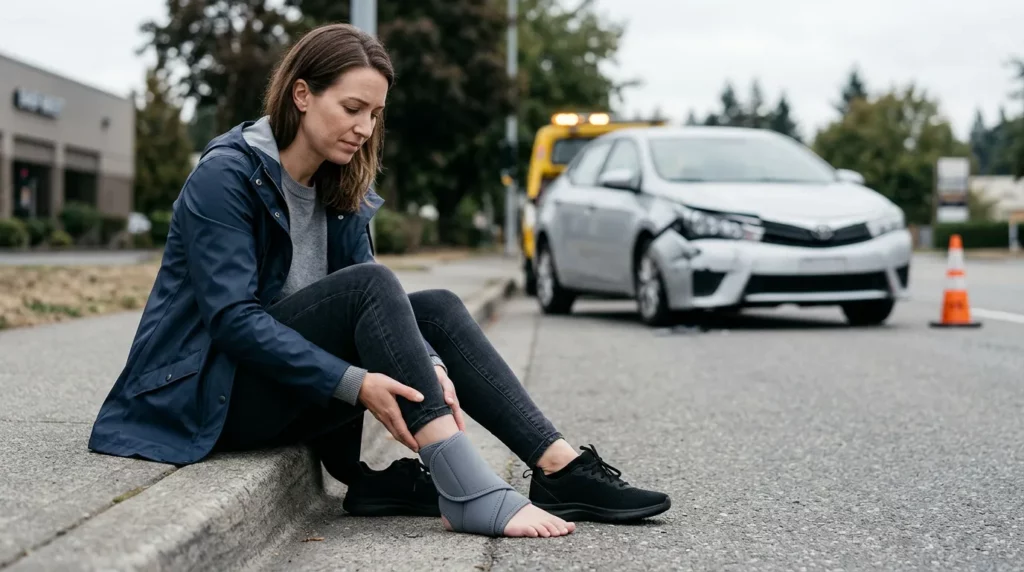
Kentucky car accident with significant vehicle damage requiring umbrella insurance coverage

Umbrella & Excess Coverage in Kentucky Car Accidents

When your injuries exceed the at-fault driver’s policy limits, additional coverage layers can make the difference between a partial recovery and a full one.

Forbes Best-In-State 2025
Super Lawyers 2017–2026
1,000+ Five-Star Google Reviews — 4.9/5
$0 Out-Of-Pocket Forever

Umbrella and excess liability insurance provide additional coverage above a driver’s standard auto policy limits. In Kentucky car accident cases involving catastrophic injuries, these policies can be the only source of full compensation when the at-fault driver’s base policy is not enough. Identifying all available coverage layers is a critical part of building a demand. At Sam Aguiar Injury Lawyers, we confirm whether umbrella or excess coverage exists before accepting any settlement offer.

What Is Umbrella Insurance?

Umbrella insurance is a type of liability coverage that sits on top of a person’s existing auto, homeowners, or other liability policies. When the underlying policy limits are exhausted, the umbrella policy kicks in and provides additional coverage.

According to the Insurance Information Institute, umbrella policies are broader than the underlying policy. They can cover claims that the base policy excludes entirely. They apply across multiple insurance policies (auto, home, watercraft), not just one.

Most drivers who carry umbrella coverage don’t think about it until a serious claim arises. And the at-fault driver may not even realize they have it.

Umbrella vs. Excess Liability: The Difference

People often use “umbrella” and “excess” interchangeably, but they are different products.

Umbrella coverage is broader. It covers claims across multiple policies and can cover situations your base policy excludes. Excess liability coverage is narrower. It follows the exact terms and exclusions of one specific underlying policy, just at higher limits. Both activate after the base policy is exhausted.

In practical terms: if the at-fault driver has an umbrella policy, it may cover types of liability that the auto policy alone would not. If they have excess liability only, it simply extends the same coverage at a higher limit. Both are valuable. Umbrella policies tend to be more common on personal lines. Excess policies are more typical in commercial insurance.

Why This Matters After a Car Accident

Standard auto liability policies in Kentucky carry relatively modest limits. When a crash causes a traumatic brain injury that requires years of cognitive rehabilitation, or severe burns requiring multiple skin grafts and reconstructive procedures, documented damages can exceed the base policy quickly.

Without an umbrella or excess policy, the injured person is left with a gap between what the base policy covers and what the injuries actually cost. That gap can be enormous in catastrophic cases.

Broader Umbrella coverage applies across multiple policies and can fill gaps
Narrower Excess coverage follows the underlying policy’s exact terms
Hidden The at-fault driver may not know these policies exist

How We Identify Every Coverage Layer

Insurance companies do not volunteer information about umbrella or excess policies. They respond to the initial claim under the base policy. If you accept that offer without investigating further, you may leave significant coverage on the table.

At Sam Aguiar Injury Lawyers, we take specific steps to uncover all available coverage:

Declarations page review. We request the at-fault driver’s full insurance declarations, which list all active policies and their limits.

Discovery in litigation. If the case moves to litigation, we use formal discovery tools to compel disclosure of umbrella and excess policies.

Broker and agent inquiry. In commercial vehicle cases, we contact the carrier’s broker directly to identify all coverage layers, including policies held by brokers, shippers, and vehicle owners.

We never accept the underlying policy limits without confirming whether additional coverage exists. In catastrophic cases, this step alone can be the difference between a partial recovery and a life care plan that actually covers your future needs.

Commercial Umbrella Coverage in Trucking Cases

Commercial motor carriers are required to carry higher liability limits than personal drivers. But even those limits can be exceeded in serious truck accident cases involving traumatic brain injuries, spinal cord damage, or wrongful death.

Many commercial carriers purchase umbrella or excess policies above their primary limits. And the coverage picture can be more complex than it first appears. The trucking company, the broker who arranged the load, the shipper, and the vehicle owner may each carry separate policies. Each of those policies could include umbrella or excess layers.

What Kentucky Juries Actually Award

The Kentucky Trial Court Review tracks 28 years of jury verdict data across Kentucky. For catastrophic injury cases where damages exceeded the at-fault driver’s base policy limits, jury awards consistently reflect the full documented cost of the injury, not what the insurance algorithm calculated. We use this data when building your demand to make sure the number reflects what a Kentucky jury would actually award.

When Umbrella or Excess Coverage Matters Most

Not every car accident case involves umbrella or excess coverage. These policies become critical when documented damages far exceed the at-fault driver’s standard policy limits. That typically includes:

Traumatic brain injuries with lifetime cognitive rehabilitation, attendant care, and lost earning capacity. A single TBI can generate documented future costs that dwarf any standard auto policy.

Spinal cord injuries requiring home modifications, wheelchair accessibility, ongoing physical therapy, and possible future surgeries.

Severe burn injuries involving multiple skin grafts, scar revision procedures, psychological treatment, and years of wound care management.

Wrongful death cases where the economic and non-economic losses to the surviving family far exceed the base coverage.

In every catastrophic case, identifying umbrella and excess coverage is not optional. It is a core part of the claim.

Frequently Asked Questions

What is the difference between umbrella and excess insurance?

Umbrella insurance provides broader coverage across multiple liability policies and can cover claims the underlying policy excludes. Excess insurance is narrower: it follows the exact terms and exclusions of one specific underlying policy, just at higher limits. Both activate after the base policy is exhausted. The Insurance Information Institute explains the distinction in detail.

Does the at-fault driver have to tell me about their umbrella policy?

No. Insurance companies do not volunteer information about umbrella or excess policies. The at-fault driver may not even know they have one. Identifying additional coverage layers requires requesting the full declarations page, and in litigation, using formal discovery to compel disclosure of all active policies.

When does umbrella coverage matter in a car accident case?

Umbrella coverage becomes critical when the injured person’s documented damages exceed the at-fault driver’s standard auto policy limits. This is most common in catastrophic cases: traumatic brain injuries, spinal cord injuries, severe burns, wrongful death, and any injury requiring a long-term care projection.

Do trucking companies carry umbrella insurance?

Many commercial carriers carry umbrella or excess policies above their primary liability limits. The coverage picture in trucking cases is often complex: the trucking company, the freight broker, the shipper, and the vehicle owner may each carry separate policies with their own umbrella or excess layers.

Can I access umbrella coverage if I settle the base policy claim?

It depends on how the settlement is structured. Accepting the base policy limits without confirming whether umbrella or excess coverage exists could leave significant money on the table. A proper resolution requires identifying all available coverage before agreeing to any settlement.

How do I find out if the at-fault driver has umbrella coverage?

Request the at-fault driver’s full insurance declarations page, which lists all active policies. In litigation, formal discovery tools (interrogatories, requests for production) can compel disclosure. In commercial vehicle cases, contacting the carrier’s broker can reveal additional coverage layers.

Does my own umbrella policy cover me in a car accident?

Your own umbrella policy covers your liability to others, not your own injuries. If you are the at-fault driver and your liability exceeds your base auto policy, your umbrella would cover the excess. For your own injuries in a crash caused by someone else, the focus is on the at-fault driver’s coverage layers, including their umbrella and excess policies.

Every Coverage Layer. Every Dollar.

Insurance companies will not tell you about umbrella or excess coverage. We find it. With our Bigger Share Guarantee®, you always get more.

Get more. Get it faster. Get it with Sam Aguiar.

Free Case Review