

Car Accident Burn Injuries
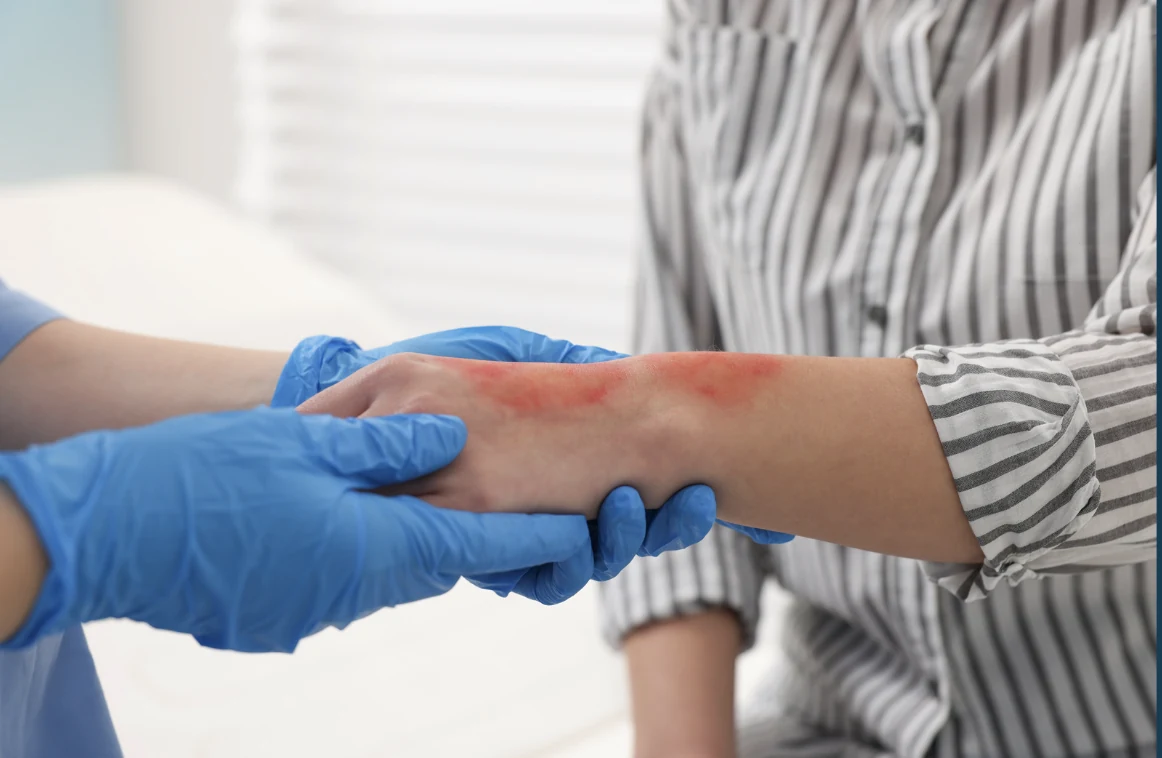
Key Takeaways
- Superficial burns heal without scarring within 5 to 10 days, while full-thickness burns take more than 8 weeks to heal and require surgical treatment, according to the StatPearls burn classification chapter.
- Airbag inflation puts occupants at risk for mechanical, thermal, and chemical burns, and a 2023 pilot study in Cureus reports that burns make up 8% of airbag injuries and that patients may be discharged only to discover an airbag injury later.
- The American Burn Association recommends burn center referral for partial-thickness burns greater than 10% of total body surface area, full-thickness burns, and chemical, electrical, or significant inhalation injuries, as summarized in the StatPearls chapter on burn evaluation.
Layers of the Skin
Skin has two main layers. The epidermis on the outside acts mainly as a protective layer that prevents fluid loss, and the dermis beneath it gives skin its elasticity and strength, the StatPearls burn classification chapter explains. The dermis itself has a thin upper papillary layer and a denser reticular layer below it, the chapter notes.
Burn depth is described against those layers. A superficial burn involves only the epidermis, a partial-thickness burn extends through the epidermis into the dermis, and a full-thickness burn extends through both layers into the subcutaneous fat or deeper, as the StatPearls chapter on burn evaluation describes. Burns that damage muscle, nerves, bone, or other deep tissue are less common, and Cleveland Clinic notes that clinicians sometimes call them fourth-degree burns.
MedlinePlus pairs each current term with its former name: superficial burns were formerly called first-degree burns, partial-thickness burns second-degree, and full-thickness burns third-degree. Size matters alongside depth: the StatPearls burn classification chapter reports that morbidity and mortality tend to increase as the burned surface area increases.
Fire, Scalds, and Friction in a Crash
MedlinePlus lists car accidents among the events that can cause burns. It ranks the causes of burns from most to least common as fire or flame, scalding from steam or hot liquids, touching hot objects, electrical burns, and chemical burns. When a vehicle fire or fuel fire caused the burn, the firm’s burn injury lawyers handle the case against the insurance company. The forces behind the other injuries a collision can cause are known as crash injury mechanisms.
Fire also leads in burn center data. In the Burn Model System National Database, which enrolls people whose burns met size, location, or high-voltage electrical criteria and needed surgery for wound closure, 59% of participants with a known cause were burned by fire or flame and 16% by scalds, the database’s 2024 summary report from the University of Washington shows.
Friction is a separate mechanism. Cleveland Clinic describes friction burns as burns that happen when something rubs against the body hard enough to generate heat, adding that the force involved usually causes other types of damage too. Its list of causes includes moving against rough fabrics such as upholstery with a lot of force.
Road rash is a friction burn from asphalt, cement, or concrete, and Cleveland Clinic’s road rash page says the longer the slide or the faster the movement, the worse the burn will be. The same page explains that road rash lets gravel, dirt, or other debris lodge in the burned skin, which makes infection easier.
Electricity can burn as well. Cleveland Clinic names automobile batteries among the sources of electrical current that can pass through the body, and the StatPearls chapter on burn evaluation warns that electrical burns can be deceiving, with small entry and exit wounds but possible extensive internal organ injury.
Airbag Heat and Alkaline Chemicals
A 2023 pilot study in Cureus reports that the rapid, explosive inflation of an airbag puts occupants at risk for three types of burn injury: mechanical, thermal, and chemical. Mechanical injury comes from the sheer force of the bag against the skin, while thermal and chemical burns can occur from an exothermic reaction that produces excessive heat and exposes occupants to caustic alkaline substances, the Cureus authors explain.
The bag holds a cartridge of sodium azide propellant that ignites during sudden deceleration and releases nitrogen, carbon dioxide, carbon monoxide, ammonia, and alkaline aerosol, with metallic oxides and sodium hydroxide gases partly vented into the passenger compartment, the Cureus study reports. Deployment takes about 100 milliseconds in a reaction that generates heat upwards of 500°C, and vents gradually release the gas as the occupant meets the bag, by the study‘s account.
The 2023 pilot study in Cureus puts burns at 8% of airbag injuries, and the upper extremity was the most common injury site among its 14 patients (71.4%), followed by the hand (21.4%). A 2021 case report in the International Journal of Surgery Case Reports says these burns commonly affect the arms, hands, face, and eyes, and that most are superficial to superficial partial-thickness burns.
Alkaline chemicals can cause burns of greater depth than thermal injuries, with a diminished likelihood of returning to baseline after healing, the Cureus authors write. They also cite a 2000 report that the stronger alkaline gases are no longer produced in newer model cars, resulting in fewer chemical burns.
Seating position plays a part. The Cureus study adds that airbags may cause harm to an occupant who is out of position, such as one not wearing a seat belt, and to anyone within four inches of the bag at deployment, which tends to involve shorter or older drivers who sit closer to the steering wheel. The page on seatbelt injuries covers the restraint side of a crash.
Appearance and Pain at Each Depth
The StatPearls burn classification chapter describes a superficial burn as one that involves the epidermis only and can be pink to red, dry, without blistering, and moderately painful.
A superficial partial-thickness burn affects the upper layer of the dermis. Blisters are common, the wound bed under them is red or pink and blanches with pressure, and the burn is painful, the StatPearls burn classification chapter explains. A deep partial-thickness burn reaches the deeper reticular dermis, where the wound bed under the blisters looks mottled, blanches sluggishly, and may hurt only with deep pressure.
Full-thickness burns look leathery, stiff, and dry and do not blanch under pressure because the blood supply is compromised, the StatPearls burn classification chapter notes, and the damaged nerves leave the patient with no sensation or pain in that area. Cleveland Clinic adds that the area around a full-thickness burn may still hurt and that the burn can char the skin black or make it look ashen and gray.
Pain is a poor gauge of severity. The amount of pain is unrelated to the level of burn, and the most serious burns can be painless, MedlinePlus warns. The same page lists the signs of shock to watch for: pale and clammy skin, weakness, blue lips and fingernails, and a decrease in alertness.
The card below draws on the reasons MedlinePlus gives for calling 911 and its signs of infection, along with the locations and pain patterns Cleveland Clinic flags for immediate care.
Burn Warning Signs
- A burn about the size of a palm or larger
- A full-thickness burn, or a burn whose seriousness is unclear
- A burn caused by chemicals or electricity
- Breathing in smoke, or signs of shock
- A partial-thickness or deeper burn on the eyes, ears, face, hands, feet, or genitals
- Drainage or pus, fever, increased pain, or red streaks spreading from the burn
- Pain worse than the burn’s appearance would suggest
Why Kentucky Hires
Sam Aguiar Injury Lawyers
Smoke and Airway Injury
Smoke inhalation injuries affect one-third of all burn injury victims, and respiratory failure remains the leading cause of death from fire injuries, StatPearls reports. The injury occurs when the respiratory system is exposed to direct heat from fire as well as toxic chemicals formed as materials burn, the review explains.
MedlinePlus lists the signs of a possible airway burn: burns on the head, face, neck, eyebrows, or nose hairs; burned lips and mouth; coughing; difficulty breathing; dark, black-stained mucus; voice changes; and wheezing. Smoke inhalation may affect people with no outward signs of burns, StatPearls adds, and the length of exposure, whether it happened in an enclosed space, and any loss of consciousness all matter to the evaluation.
A delay in the onset of symptoms is not uncommon, StatPearls cautions, noting that damage from nitric oxide, a gas often produced by burning certain fabrics or cellulose, has been seen up to 72 hours after exposure.
The workup may include chest imaging, blood tests, pulse oximetry, an arterial blood gas, a carboxyhemoglobin level, and bronchoscopy, StatPearls explains, and serial chest radiographs are often negative early in smoke inhalation injury. In moderate to severe flame burns with suspected inhalation injury, the StatPearls chapter on burn evaluation states that carboxyhemoglobin levels are checked and patients receive high-flow oxygen until carbon monoxide poisoning is ruled out.
Most smoke inhalation injuries are mild to moderate, and symptoms often resolve within 2 to 3 days, StatPearls reports. In more severe injuries, pneumonia is the most common short-term complication.
Wounds That Appear Days Later
The 2023 pilot study in Cureus found that an airbag injury may not be noticed or prioritized in the emergency department and that patients may be discharged only to discover the injury later. Its authors add that chemical burn injuries in particular may form in an insidious fashion.
Only six of the study’s 14 patients (42.9%) saw a doctor within one month of the injury, and the time from injury to the outpatient visit ranged from 3 to 134 days, the Cureus authors report. Most patients had dysaesthesia (85.7%) and pain (71.4%), 64.3% had ongoing issues, and 42.9% had ongoing hyperpigmentation.
Patients who saw the plastic surgeon within 30 days had a 66.7% improvement in pigmentation, compared with 25% of those who came later, the study found, though its authors note that the small sample did not allow statistically significant differences to be shown.
Cleveland Clinic lists a burn that is not getting better within a few days, or that looks worse, among the reasons to seek medical care. Burned skin can also take on a different color while it heals, the same page notes.
Three Depths Side by Side
Appearance, pain, and healing time separate the depths most clearly, as laid out in the StatPearls burn classification chapter and the StatPearls chapter on burn evaluation.
| Feature | Superficial | Partial Thickness | Full Thickness |
|---|---|---|---|
| Skin layers involved | Epidermis only | Epidermis and part of the dermis | Epidermis and dermis, into the subcutaneous tissue |
| Appearance | Pink to red, dry, no blisters | Blisters; red or pink wound bed in superficial burns, mottled in deep burns | Leathery, stiff, and dry; does not blanch |
| Pain | Moderately painful | Painful when superficial; deep burns may hurt only with deep pressure | No sensation or pain in the burned area |
| Typical healing | 5 to 10 days, without scarring | 2 to 3 weeks when superficial; longer, with scarring, when deep | More than 8 weeks; requires surgical treatment |
| Counted in TBSA | No | Yes | Yes |
Measuring Total Body Surface Area
Clinicians express the extent of a burn as a percentage of total body surface area, or TBSA, and the StatPearls chapter on burn evaluation specifies that only partial-thickness and full-thickness burns are counted. Superficial burns are excluded.
The Rule of Nines assigns 9% to the head, 9% to each arm, 18% to the front of the chest and abdomen, 18% to the back, 18% to each leg, and 1% to the perineum, the StatPearls chapter on burn evaluation explains. For small burns, the patient’s palm without the fingers represents about 0.5% of body surface area and the whole hand about 1%, while the Lund and Browder chart is a more accurate method, especially in children.
Among people enrolled in the Burn Model System National Database, mean TBSA burned was 23%, and 45% had at least 20% TBSA burned, according to its 2024 summary report.
A provider diagnoses a burn by examining it and asking what happened, Cleveland Clinic explains, and lab and imaging tests do not usually help diagnose burns but can catch complications before they become severe. MedlinePlus lists a chest x-ray for face or airway burns, and blood and urine tests, an electrocardiogram, and intravenous fluids if shock or other complications are present.
Criteria for Burn Center Care
The American Burn Association recommends burn center referral for partial-thickness burns greater than 10% TBSA; full-thickness burns; burns of the face, hands, feet, genitalia, or major joints; chemical, electrical, or lightning injuries; significant inhalation injuries; and burns in patients with multiple medical disorders or associated traumatic injuries, as summarized in the StatPearls chapter on burn evaluation.
If a patient appears to have severe burns, the approach should be like that of a major trauma patient, the same chapter states. It names other factors that shape the evaluation: age under 10 or over 50, other health problems, burns of the face, eyes, ears, nose, hands, feet, or perineum, and associated injuries, particularly smoke inhalation. MedlinePlus notes that children under age 5 and adults over age 55 have a higher chance of complications and death from severe burns because their skin tends to be thinner.
The StatPearls chapter on burn evaluation says burn patients are best looked after by a burn team in a specialist center, with a surgeon, intensivist, burn specialist, dietitian, physical therapist, nurses, wound care specialists, pulmonologist, and plastic surgeon on the team, and adds that most second and third-degree burns require prolonged admission and that recovery is slow. Acute care hospital stays in the Burn Model System National Database averaged 26 days from 1993 to 2023.
Debridement, Dressings, and Skin Grafts
Professional burn care can include pain treatment ranging from medication to nerve blocks, cleaning and debridement to remove debris and dead or dying tissue, protective dressings, surgery, and skin grafts, as Cleveland Clinic outlines. Partial-thickness burns too large to cover with a hand, and all full-thickness burns, always need professional care, the same page says.
A skin graft is a patch of skin removed by surgery from one area of the body and attached to another, MedlinePlus explains. The MedlinePlus skin graft page adds that most grafts are split-thickness, taking the epidermis and the dermis beneath it from a donor site that is often hidden by clothes, such as the buttock, back, or inner thigh. Deeper tissue loss, or a cosmetic area such as the face, may call for a full-thickness graft that takes the entire thickness of skin from the donor site.
After discharge, the MedlinePlus page describes wearing a dressing for 1 to 2 weeks and protecting the graft from trauma for 3 to 4 weeks. Risks it lists include loss of grafted skin, reduced or increased skin sensation, scarring, skin discoloration, an uneven skin surface, and poor healing and scarring at the donor site. Most skin grafts are successful, but some do not heal well and may need additional procedures, the page adds.
Recovery reaches past the wound. Cleveland Clinic lists physical and occupational therapy for serious physical injuries from a burn and mental health care for anxiety, depression, or injury-related posttraumatic stress disorder. The StatPearls chapter on burn evaluation advises that a mental health consult should be made before discharge, because appearance is significantly altered in burn patients.
Healing Times and Scar Maturation
The StatPearls burn classification chapter gives the healing times: superficial burns heal without scarring within 5 to 10 days, superficial partial-thickness burns typically heal within 2 to 3 weeks with minimal scarring, and full-thickness burns take more than 8 weeks to heal and require surgical treatment. Deep partial-thickness burns can heal without surgery but take longer, and scarring is unavoidable, the chapter adds.
Burn scars keep changing after the wound closes. Hypertrophic scars usually develop 6 to 8 weeks after wound closure, and burn scars generally need at least 6 to 18 months to mature, when redness subsides and contraction diminishes, according to a chapter in the Textbook on Scar Management published on the National Library of Medicine’s Bookshelf.
The same chapter describes hypertrophic scars as red to deep purple, raised, firm, warm to the touch, hypersensitive, and itchy, and it puts their prevalence at 32% to 72%. Risk factors it names include burns on the face, neck, or upper limb, multiple surgical procedures, meshed skin grafts, healing that takes longer than 2 to 3 weeks, and more than 20% TBSA.
Pressure therapy and silicone are the two most evidence-supported conservative treatments for burn scars, the chapter‘s authors write. Pressure therapy is indicated for skin grafts and wounds that take longer than 14 to 21 days to heal.
Burns can leave permanent scars, and the healed skin can be more sensitive to temperature and light than normal skin, MedlinePlus notes.
Infection, Contractures, and Other Complications
Damaged skin cannot keep germs out, which is part of why burns are prone to infection, Cleveland Clinic explains. For deeper and larger burns, its list of serious complications includes dehydration and shock from fluid and blood loss, compartment syndrome, trouble breathing, hypothermia, organ damage and failure, sepsis, and blood clots leading to deep vein thrombosis.
Circumferential full-thickness burns of the limbs, chest, or abdomen can form a rigid eschar, and as swelling builds beneath it during the first 48 hours, rising pressure can impair blood flow or restrict breathing, as StatPearls describes. Escharotomy, an incision through the burned eschar, relieves that pressure; the StatPearls review says it is generally not performed in the first 4 to 6 hours and is most commonly performed within the first 48 hours after injury.
MedlinePlus notes that severe burns that affect the joints may result in contractures, leaving the joint with decreased movement and reduced function. Range of motion deficits were recorded in 53.1% of participants in the Burn Model System National Database. The StatPearls burn classification chapter lists infection, hypertrophic scarring, and contractures as complications that can greatly affect a patient’s physical function and mental well-being.
With airway burns, a person may have less breathing capacity and permanent lung damage, MedlinePlus notes. After carbon monoxide poisoning, people more commonly describe persistent or delayed neurological symptoms such as depressed mood, poor concentration, and short-term memory problems, which often develop 1 to 3 weeks later, according to StatPearls.
Records From the Ambulance to Rehab
A crash burn produces records in many places. The ambulance run report notes what the crew found, such as a vehicle fire, a deployed airbag, or smoke exposure, and the emergency chart often holds the first estimate of burn depth and TBSA.
Later records follow the wound: burn unit or clinic notes, operative reports for debridement or grafting, photographs taken at dressing changes, therapy plans, and fittings for pressure garments. Each provider keeps its own file, and a delayed airbag burn may first appear in an outpatient chart rather than the emergency record.
Dated photos of the burned skin taken at home, along with a short daily note on pain, itching, sleep, and missed work, show how the injury changed between appointments. Kept with the burn clinic records, those notes cover the stretches of recovery that no chart describes.
Burn Scars Still Changing Months After the Crash?
A burn from a crash can mean a burn unit stay, dressing changes, grafts, and months of pressure garments and scar therapy, and an insurer may judge the whole injury by how the skin looked on the first day. Sam Aguiar Injury Lawyers gathers the ambulance and emergency records, burn clinic notes, wound photos, operative reports, and therapy records so each stage of healing is on paper. Under our Bigger Share Guarantee®, you always walk away with more than the firm after bills, liens, and case costs. Start with a free case review.