
Biggest Mistakes to Avoid After a Car Accident
After a car accident, the insurance company usually starts protecting its file right away. The biggest mistakes give the other side an easy story: no report, delayed care, missing photos, a recorded statement, or a signed release before the full injury picture is known.
Official Accident Report
Kentucky requires a written report when an accident involves injury, death, or property damage above the threshold stated in KRS 189.635. An official report anchors the date, location, drivers, vehicles, and basic facts before memories change. The same statute keeps accident reports confidential from the general public while making them available to parties, their insurers, and their attorneys, and Kentucky State Police explains how to request its records.
Without a report, the other driver may later dispute the accident details or claim the impact was minor. The report does not decide the whole case, but it gives the claim a cleaner starting point.
Medical Care Gaps
Some injuries are obvious right away, and others surface after the adrenaline fades. A treatment gap lets the insurer argue that the accident did not cause the injury or that the injury was not serious, as the page on treatment gaps after an accident explains.
Same-day or prompt medical care creates a record of symptoms, diagnosis, treatment recommendations, and restrictions, and follow-up appointments extend that record. A claim is easier to establish when the medical timeline is consistent.
Symptoms to Watch Closely
Neck pain, back pain, headaches, dizziness, numbness, abdominal pain, sleep changes, and confusion should be documented and discussed with a medical provider. When symptoms change, the provider should hear about it right away, not at the next insurance call.
Fault Statements at the Scene
The accident scene is confusing. Drivers often apologize out of reflex or guess about what happened before they have photos, witness names, traffic-camera information, or the final report.
Roadside statements should stay short and factual. Exchanging information, cooperating with the responding officer, and declining to fill in blanks for the other driver or an adjuster protect the claim. When a driver does not know something, saying so plainly is the right answer. Disputes over fault after a car accident often start with those first comments.
Recorded Statements to the Other Insurer
The other driver’s insurance company may call quickly and ask to record the injured driver’s version of events. Those questions are usually designed to narrow the claim, lock in uncertain answers, and gather comments about prior injuries or pain levels.
Reporting the accident to the driver’s own insurer is different from giving a recorded statement to the opposing insurer. A lawyer can review what the opposing insurer is asking and why before any recorded statement is given.
Signing a Release Too Early
A fast offer can feel like relief, and it can also close the claim before the medical picture is complete. A release usually ends the claim, even if symptoms worsen or later treatment becomes necessary.
A release should wait until the injuries, treatment plan, missed work, and available insurance are understood. The first offer is often built around the insurer’s need to close the file.
Missing Photos and Witnesses
Evidence disappears quickly. Vehicle positions change, debris gets swept away, bruising fades, and nearby camera footage may be overwritten. Photos and names gathered early can separate a clean claim from a disputed one.
Useful photos show vehicle damage, license plates, the roadway, traffic controls, skid marks, debris, visible injuries, and the surrounding area. Names and phone numbers of witnesses who stop should be collected, and the location of any nearby business or traffic camera that may have footage should be written down.
Social Media Posts About the Accident
Public posts, photos, comments, check-ins, and short videos can be saved and used out of context. A smiling photo does not show that someone is fine, but an insurer may still use it to pressure the claim.
The accident, injuries, treatment, and claim belong off social media. Setting accounts to private and declining unknown requests limits exposure, and anything posted online may eventually be read by the insurance company.
Correcting a Mistake Already Made
Most mistakes can be cleaned up if the legal team knows about them early. The recorded statement, photos, messages, repair estimate, medical records, and any settlement paperwork all belong at the first case review. Related issues are covered in the pages on Kentucky car accident claims and insurance company tactics.
Ready to Take Action on Your Injury Claim?
After a serious injury, medical bills pile up while the insurance company looks for ways to pay you less. Most law firms take their cut first and leave you with whatever is left. Sam Aguiar Injury Lawyers does things differently. With our exclusive Bigger Share Guarantee®, you always get more. Every client gets a dedicated three-person team: an attorney, a case manager, and a legal assistant. We never raise our fee rate if we have to go to court, and you pay $0 Out-Of-Pocket Forever.
Frequently Asked Questions
1Do I have to give the other insurer a recorded statement?+
2What if I waited to get medical care?+
3Should I send photos to the insurance adjuster?+
4What should I bring to a free case review?+
5Does a treatment gap hurt my car accident claim?+
Latest Articles
Kentucky Diminished Value Claims
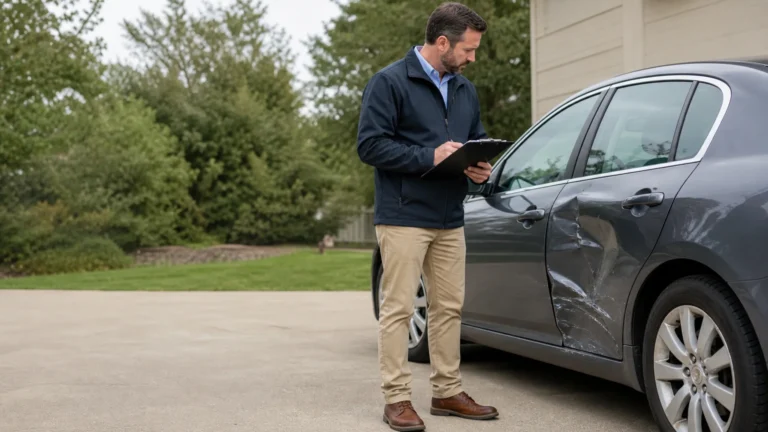
Kentucky drivers may pursue a repaired vehicle’s leftover market loss from the at-fault driver as part of a.
FMCSA Revoked ELDs: Fleet Compliance and Enforcement Deadlines
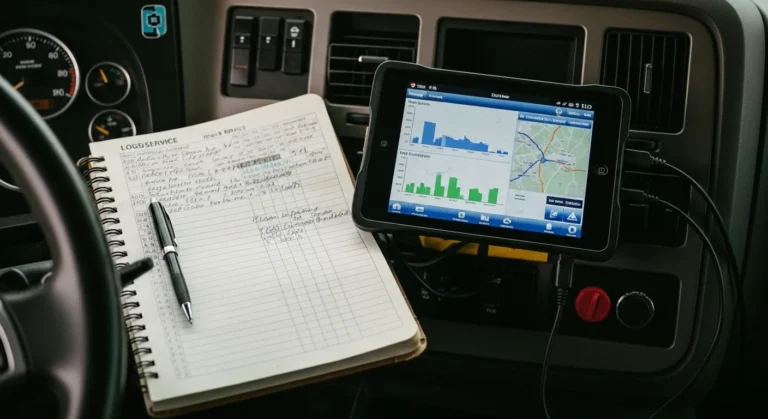
FMCSA removed five electronic logging devices from the registered list on August 6, 2026, and set an October.
FMCSA English Proficiency Rule and OOS Enforcement
FMCSA English Proficiency Rule Sam Aguiar Injury Lawyers August 11, 2026 7 minute read On This Page.