
Insurance Company Fault Determinations
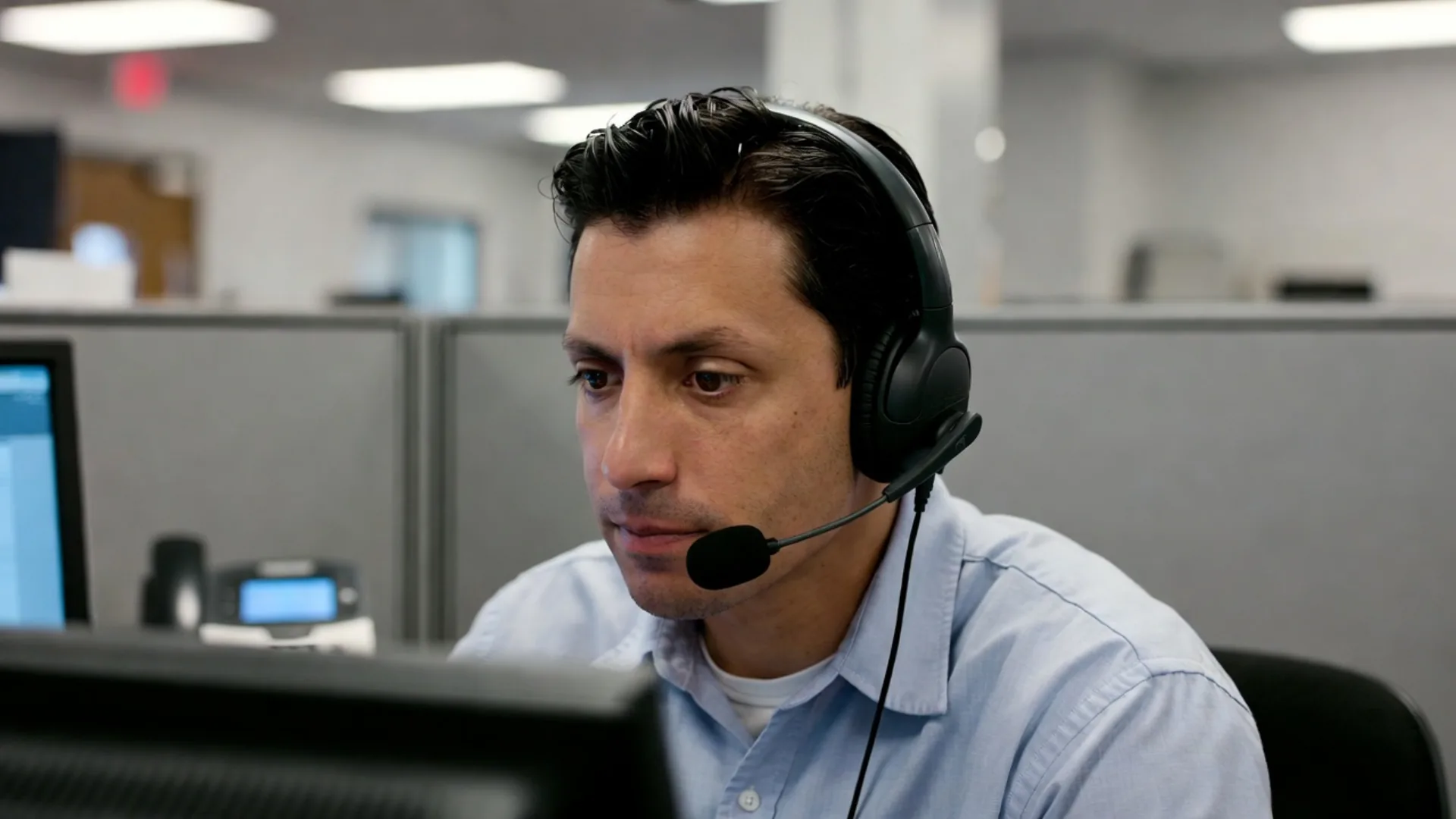
After a car accident, the at-fault driver’s insurance company assigns a claims adjuster to the injured person’s claim. The adjuster’s role is to limit the amount the company pays out, and every decision, from how the police report is read to how witness statements are weighted, runs through that financial interest.
Adjusters Work for the Insurance Company
Adjusters are trained investigators. They review physical evidence, pull camera footage, analyze damage patterns, and sometimes bring in accident reconstruction firms. The information they gather shapes a fault percentage that directly controls the settlement offer. Kentucky allocates fault among the parties by percentage under KRS 411.182, so the percentage an adjuster assigns has a direct dollar effect on the case.
Police Reports Are the Starting Point
Every adjuster starts with the official police report. It contains the responding officer’s narrative, an accident diagram, contributing factor codes, citation information, and preliminary fault observations. A citation issued at the scene for speeding, running a red light, or failure to yield is a strong indicator of negligence, and adjusters use it immediately.
A police report does not decide civil liability. Officers write reports under time pressure without a full investigation, and their conclusions can be wrong or incomplete. Adjusters treat the report as a starting point and build on it, and any ambiguity in the report tends to be read against the injured person’s case.
Recorded Statements
Adjusters often contact injured people within a day or two of an accident and ask for a recorded statement, framed as routine paperwork. Any phrase in that call, such as “I didn’t see them coming” or “I may have been going a little fast,” can be used to push the fault percentage toward the injured driver. An injured driver is generally not required to give a recorded statement to the other driver’s insurer.
Scene Evidence
Physical evidence at the accident scene is difficult to argue around. Adjusters and accident reconstruction analysts measure skid mark length and direction to estimate pre-impact speed. They study vehicle damage patterns, including where the cars made contact and at what angle, to reconstruct the sequence of the collision.
Debris fields, the final resting positions of the vehicles, and road surface conditions all add to the picture. Frontal damage consistent with rear-ending another vehicle, for example, will be used against a case that the other driver cut in without warning.
Witness Statements and Camera Footage
Independent eyewitnesses carry significant weight in fault investigations because they have no financial stake in the outcome. Adjusters seek out and interview anyone who saw the accident from a neutral vantage point, then compare those accounts against each driver’s version of events to find inconsistencies.
Adjusters also pull every available video record. Traffic cameras, business surveillance systems, dash cameras, and home doorbell cameras are all potential evidence sources, and many of those systems record over old footage within days. In Louisville, TRIMARC and DOT traffic camera footage is one of those sources. Video that clearly shows the accident often determines fault on its own.
Event Data Recorders
Most modern passenger vehicles carry an Event Data Recorder (EDR). Under 49 CFR Part 563, an EDR in a light vehicle manufactured on or after September 1, 2012 must meet federal data requirements, and 49 CFR 563.7 lists vehicle speed, accelerator position, and service brake status over the 20 seconds before a crash, along with driver safety belt status. Steering input is recorded when the device captures it. Insurance companies and reconstruction analysts extract this data to confirm or contradict each driver’s account. EDR data showing 65 mph in a 40 mph zone with no braking before impact will be central to the fault determination.
Accident Reconstruction
In serious accidents involving significant injury, death, or contested liability, insurance companies bring in professional accident reconstruction analysts. These engineers combine the evidence already gathered with physics-based modeling, road surface measurements, and vehicle dynamics data to produce a formal reconstruction of how the collision occurred. A reconstruction typically includes:
- Speed calculations from crush depth, skid mark length, and momentum analysis
- Pre-impact trajectory modeling based on debris and tire marks
- EDR data compared against witness accounts
- Traffic light cycle timing to verify who had the right of way
- Weather and road condition data for the time of the accident
Reconstruction reports carry significant weight in settlement negotiations and litigation. They are expensive to produce and equally expensive to challenge, which is why an attorney’s review of contested fault findings before a settlement is accepted has real value.
Evidence Preservation Steps
An adjuster’s fault finding can be tested with independent evidence. Preservation letters ask the parties holding camera footage and EDR data to keep it before it is overwritten. Independent witness statements and, when the case calls for it, an independent reconstruction analyst give the injured person conclusions that are not filtered through the insurance company’s financial interest. Sam Aguiar Injury Lawyers uses these tools when an insurer’s fault percentage does not match the evidence.
Does the Adjuster Get the Last Word on Fault?
An adjuster’s fault percentage is an opinion shaped by the insurance company’s bottom line, and independent evidence can overturn it. Sam Aguiar Injury Lawyers has access to DOT and TRIMARC traffic camera archives reaching back about six months, and it pairs that footage with witness accounts and EDR data to test the insurer’s number. Clients have posted more than 1,000 five-star Google reviews. If an insurer has pinned the crash on you, get a free case review before you accept its version.
Frequently Asked Questions
1Can the insurance adjuster’s fault determination be challenged?+
2Does the police report automatically determine who is at fault?+
3How quickly does the insurance company start investigating?+
4Should I give a recorded statement to the other driver’s insurance company?+
Latest Articles
Kentucky Diminished Value Claims
Kentucky drivers may pursue a repaired vehicle’s leftover market loss from the at-fault driver as part of a.
FMCSA Revoked ELDs: Fleet Compliance and Enforcement Deadlines
FMCSA removed five electronic logging devices from the registered list on August 6, 2026, and set an October.
FMCSA English Proficiency Rule and OOS Enforcement
FMCSA English Proficiency Rule Sam Aguiar Injury Lawyers August 11, 2026 7 minute read On This Page.