

Unsecured Load Truck Accident Lawyers
Unsecured Load Accidents
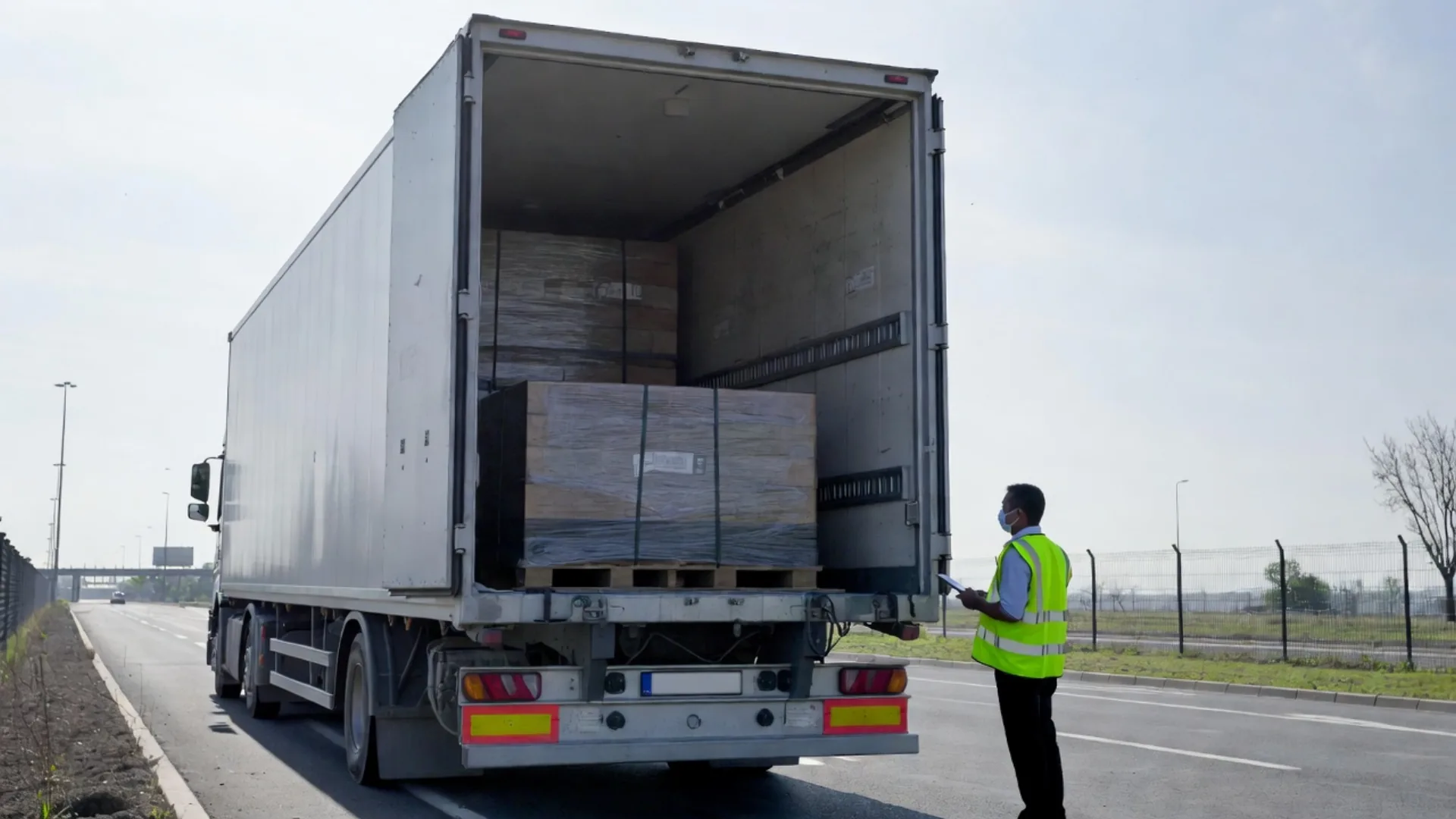
Key Takeaways
- The AAA Foundation for Traffic Safety estimates that road debris was involved in about 53,000 police-reported crashes a year from 2018 to 2023, and NHTSA notes that every state has an unsecured-load law.
- Both 49 CFR Part 393 Subpart I and KRS 189.150 impose cargo requirements, and under 49 CFR 392.9 truck drivers must check securement before each trip, within the first 50 miles, and again at each change of duty status, 3 hours of driving, or 150 miles, whichever comes first.
- Responsibility for unsecured cargo can reach the truck driver, trucking company, loading crew, and cargo owner or shipper.
Unsecured Cargo Crash Risks
Heavy cargo that falls from a truck traveling at highway speed hits the road with tremendous force, and other vehicles often cannot stop in time. The falling object may never make direct contact, but the secondary crash it causes can be just as catastrophic.
The AAA Foundation for Traffic Safety estimates that road debris was involved in about 53,000 crashes, 5,500 injuries, and 72 deaths a year in the United States from 2018 to 2023, with detached vehicle parts and cargo, tools, and building materials among the most common debris. NHTSA notes that all 50 states and the District of Columbia have laws on unsecured loads.
Federal and Kentucky Cargo Securement Law
Federal and Kentucky law both impose cargo securement requirements on trucking companies, and both apply to unsecured cargo cases in Kentucky:
- Part 393
Cargo Securement
Subpart I sets securement standards, including tiedowns, blocking, and bracing.
- KRS
189.150Loads That Can Spill
Kentucky law requires vehicles to contain their loads and sets covering requirements.
- 392.9
Cargo Inspections
Check loads before travel, within the first 50 miles, and at specified intervals afterward, subject to exceptions.
Liable Parties in an Unsecured Load Crash
Liability for unsecured cargo can reach the driver, the carrier, the loading crew, and the shipper.
- 1
Truck Driver
The driver is required by law to inspect and verify cargo securement before and during every trip. Driving with a visibly unsecured load or failing to check restraints is direct negligence.
- 2
Trucking Company
The carrier is responsible for training, equipment maintenance, and overall loading procedures. A company culture that pressures drivers to skip securement checks to save time makes the carrier liable.
- 3
Loading Crew
Third-party loaders at distribution centers who physically secure cargo can be held directly accountable when their improper technique causes the failure.
- 4
Cargo Owner or Shipper
Shippers who insist on unsafe loading configurations or refuse to provide proper dunnage and restraint equipment share in the resulting liability.
A claim does not require the cargo to hit your vehicle. If you swerved to avoid debris and crashed, the trucking operation that created the road hazard is still liable under Kentucky law, even without direct contact.
Evidence in Unsecured Load Cases
Records and physical evidence show what was loaded, how it was secured, and how the securement failed:
- Loading manifests and bills of lading, which document what was loaded, how it was secured, and who was responsible
- Cargo inspection records and pre-trip inspection reports (DVIRs)
- Photographs and video from traffic cameras, dashcams, and nearby businesses
- Physical evidence from the roadway, including tie-down fragments, anchor point wear, and cargo remnants
- Accident reconstruction analysis showing how the cargo failed and what it struck
- The carrier’s training records and internal loading procedures
How Sam Aguiar Injury Lawyers Handles Unsecured Load Claims
The dedicated trucking team at Sam Aguiar Injury Lawyers holds trucking companies accountable when they fail federal and Kentucky cargo securement requirements.
Bigger Share Guarantee®: You always walk away with more than us. If your share is ever less, we cut our fee.
- Dedicated three-person team: a top-rated attorney, an experienced case manager, and a skilled legal assistant.
- Flat contingency fee that never increases if your case goes to trial.
- $0 Out-Of-Pocket Forever.
- Most cases qualify in under 10 minutes.
An unsecured load claim needs the bill of lading, the loading records, and the tie-down fragments from the roadway before the carrier or the loader explains the failure away, and it applies whether the cargo struck your vehicle or forced you off the road. You focus on getting better. We handle everything else. Schedule a free case review about falling cargo or road debris from a truck at 502-888-8888.
Related pages cover Kentucky truck accident claims, tire blowout truck crashes, and jackknife truck crashes.
Why Clients Choose Sam Aguiar
Ready to Take Action on Your Case?
After a serious injury, medical bills pile up while the insurance company looks for ways to pay you less. Most law firms take their cut first and leave you with whatever is left. Sam Aguiar Injury Lawyers does things differently. With our exclusive Bigger Share Guarantee®, you always get more. Every client gets a dedicated three-person team: an attorney, a case manager, and a legal assistant. We never raise our fee rate if we have to go to court, and you pay $0 Out-Of-Pocket Forever.
Frequently Asked Questions
1Can I recover if the truck’s cargo caused me to swerve but didn’t hit me directly?+
Yes. Under Kentucky law, if a trucking operation created a dangerous condition on the highway, including debris or cargo that caused an emergency maneuver, and that condition caused your crash, the responsible parties can be held liable even without direct contact.
2How do you prove what caused the cargo to fall?+
Physical evidence from the crash scene, expert analysis of the cargo’s failure points, the loading manifest and bill of lading, inspection records (DVIRs), and a comparison of the securement required under 49 CFR Part 393 against the securement used establish the cause.
3Who is liable when a third-party loading company loaded the cargo?+
Both the loading company and the trucking carrier can share liability. Federal law requires the carrier to ensure cargo is properly secured before the truck moves, regardless of who loaded it, and the loading company may be independently liable for negligence in its own loading practices.
4What are the most common causes of unsecured load crashes?+
Improper tie-downs, poor loading technique that fails to center heavy items over axles, overloaded trucks that exceed the Gross Vehicle Weight Rating, missing secondary restraints for cargo like metal coils or pipes, and failure to re-check securement during transit are the most common causes.
5What evidence supports an unsecured load claim?+
Loading manifests and bills of lading, cargo inspection and pre-trip inspection reports, photographs and video from traffic cameras and dashcams, physical evidence from the roadway such as tie-down fragments, and accident reconstruction analysis all support the claim.