
Dram Shop Cases
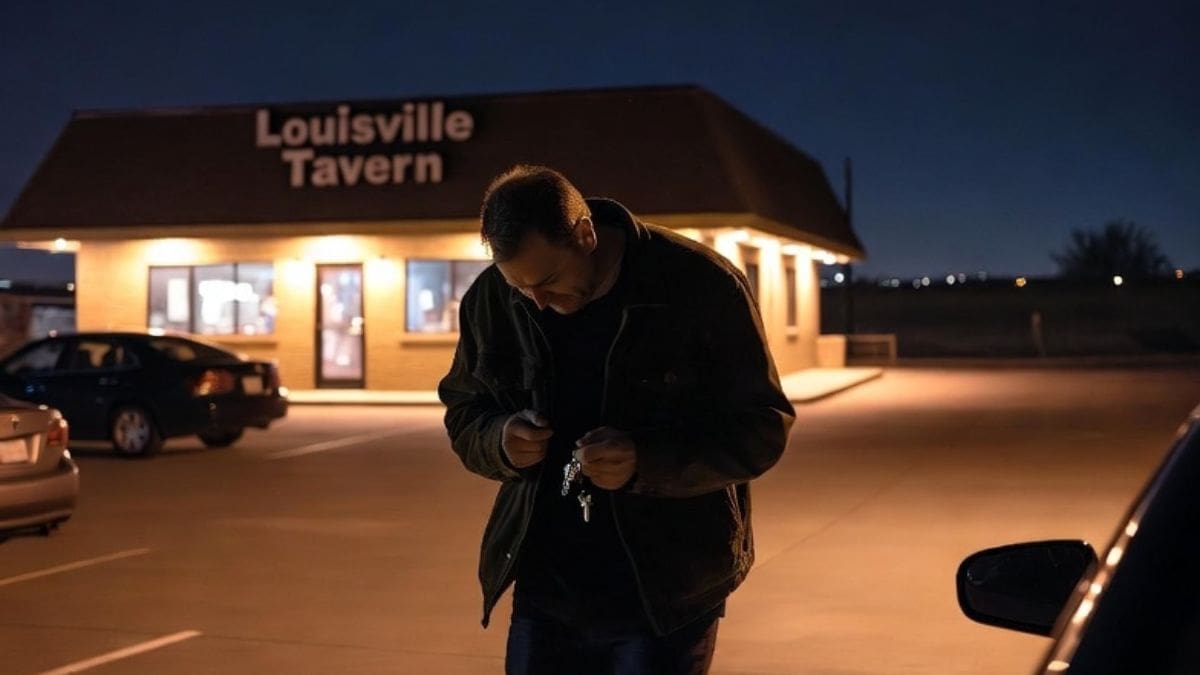
Kentucky lets an injured person hold a bar, restaurant, or other licensed alcohol seller liable when it served a customer who was already visibly intoxicated and that customer then caused a crash. The case runs alongside the case against the drunk driver and adds a second source of insurance when the driver carries little or none.
Kentucky Dram Shop Statute
Kentucky enacted its dram shop law in 1988. The statute, KRS 413.241, creates a limited cause of action against alcohol vendors.
A seller holding a permit under KRS Chapters 241 to 244 (a bar, restaurant, liquor store, or event caterer) is not liable for injuries caused off the premises by an intoxicated patron “unless a reasonable person under the same or similar circumstances should know that the person served is already intoxicated at the time of serving.”
That standard is the center of every dram shop case. A bartender who watches a patron slur words, stumble, or become aggressive, and keeps pouring, has crossed the line. The statute also makes the intoxicated person primarily liable, so dram shop liability is secondary, but it can be substantial when the drunk driver has limited or no insurance.
Under KRS 413.241(4), the limitation does not apply to anyone who causes a person to drink by force or by falsely representing that a beverage contains no alcohol. The protection also covers only service to patrons of legal drinking age, so serving alcohol to a minor falls outside it.
Three Elements of a Dram Shop Claim
A dram shop claim does not arise automatically because someone was drunk and caused a crash. Under Kentucky’s standard, the injured person must establish three things:
- The establishment sold or served alcohol to the person who caused the injury.
- The person was already visibly intoxicated when served, shown by slurred speech, impaired coordination, aggressive behavior, or other observable signs.
- The intoxication was a substantial factor in causing the crash or injury.
Visible intoxication at the time of service is the hardest element to establish. Surveillance video shows exactly what the server could observe. Point-of-sale receipts showing rapid, large purchases over a short time frame establish how much was consumed, and testimony from other patrons fills in the rest.
Dram shop liability does not cover every alcohol-related injury. In Isaacs v. Smith, 5 S.W.3d 500 (Ky. 1999), the Kentucky Supreme Court held that a shooting was not a foreseeable consequence of a sale of alcohol. Dram shop claims are strongest in drunk driving cases, where the intoxication directly caused the crash.
Evidence in a Dram Shop Case
Dram shop cases are won or lost on evidence gathered in the days right after the crash. Bar surveillance systems record over older footage on a cycle, often as short as 30 days, receipts get lost, and witnesses move on.
Surveillance Video
Interior and exterior cameras show the patron’s condition, how many drinks were served, and how long the patron stayed at the bar before driving.
Point-of-Sale and Register Receipts
Credit card and tab records show the volume of drinks sold, at what times, and to whom. Rapid ordering over a short period is strong circumstantial evidence.
Blood Alcohol and Toxicology Results
The driver’s blood alcohol concentration from the police report or hospital records establishes the extent of intoxication and, combined with timing, how much the driver consumed before leaving the bar.
Server and Witness Testimony
Other patrons, bar staff, and employees may have observed the person’s condition before leaving. Preservation letters protect that testimony and the records behind it.
Police and Crash Reports
The officer’s DUI investigation, field sobriety results, and written observations create a documented record linking intoxication to the crash.
Forensic Reconstruction
Forensic toxicologists can work backward from a blood alcohol reading to estimate how much alcohol was consumed and over what time frame, placing the consumption at the establishment.
Civil and Criminal Cases After a Drunk Driving Crash
A drunk driving crash in Kentucky starts two separate legal processes. The criminal case, DUI charges under KRS 189A.010, belongs to the Commonwealth. The injured person has no control over it, and a conviction does not by itself make the bar or the driver pay anything.
The civil case, whether a personal injury or wrongful death lawsuit, is separate, and the injured person or family controls it. A DUI conviction is strong evidence in the civil case, but the civil lawsuit does not have to wait for the criminal case to end, and waiting can cost evidence.
Dram shop claims are strictly civil. The bar faces no criminal charges under KRS 413.241, but it can face significant civil damages, including medical expenses, lost wages, pain and suffering, and, in egregious overserving cases, punitive damages designed to punish the establishment’s conduct.
Social Hosts and Commercial Sellers
Kentucky’s dram shop statute applies to licensed commercial sellers such as bars, restaurants, liquor stores, and caterers. Private individuals who serve alcohol at a home party are generally not covered by KRS 413.241, though a social host who serves alcohol to a minor may face separate liability. A crash that followed a private party takes a different legal path and is evaluated separately.
Dram Shop Damages in Kentucky
When both the drunk driver and the bar are liable, the injured person has more than one source of recovery, which makes a difference when the driver has minimal insurance. Recoverable damages include:
- Past and future medical expenses.
- Lost wages and reduced earning capacity.
- Pain, suffering, and emotional distress.
- Permanent disability or disfigurement.
- Property damage.
- Wrongful death damages for surviving family members.
- Punitive damages in cases of egregious conduct.
Kentucky’s pure comparative fault system under KRS 411.182 allows fault to be divided among all responsible parties. A jury might find the driver 70% at fault and the bar 30% at fault and award damages accordingly. Adding the establishment as a defendant increases the total insurance available, a point that also shapes car accident cases involving impaired drivers.
Did a Bar Keep Serving the Driver?
When a bar or restaurant kept pouring for a visibly intoxicated customer who then drove, Kentucky law can hold that establishment responsible too. Sam Aguiar Injury Lawyers looks for receipts, bar tabs, surveillance video, and witnesses that connect the service to the crash. Adding the establishment can increase the insurance available to your case. You pay $0 Out-Of-Pocket Forever. Ask for a free case review.
Frequently Asked Questions
1What if the drunk driver had no insurance?+
2Does a dram shop claim apply if the crash happened on a private road or in a parking lot?+
3Does a dram shop claim affect the drunk driver’s criminal case?+
4Does Kentucky’s dram shop law apply to restaurants?+
Latest Articles
Kentucky Diminished Value Claims
Kentucky drivers may pursue a repaired vehicle’s leftover market loss from the at-fault driver as part of a.
FMCSA Revoked ELDs: Fleet Compliance and Enforcement Deadlines
FMCSA removed five electronic logging devices from the registered list on August 6, 2026, and set an October.
FMCSA English Proficiency Rule and OOS Enforcement
FMCSA English Proficiency Rule Sam Aguiar Injury Lawyers August 11, 2026 7 minute read On This Page.