

Kentucky Boating Accident Lawyers
Injured in a Kentucky Boating Accident?
 ★★★★★
Over 1,000 Five-Star Reviews
•
Available 24/7. $0 Out-Of-Pocket Forever.
★★★★★
Over 1,000 Five-Star Reviews
•
Available 24/7. $0 Out-Of-Pocket Forever.
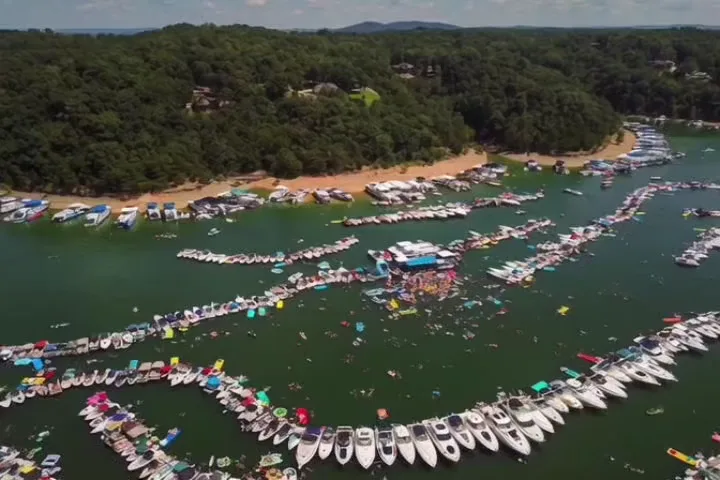
Boating Accidents on Kentucky Waters
A Kentucky boating accident case starts with questions a road case never asks. Kentucky’s boating law has no liability insurance requirement for boat owners, a boat owner who was not at the wheel is liable only in the situations KRS 235.300 names, and the operator’s accident report cannot be used as evidence at trial.
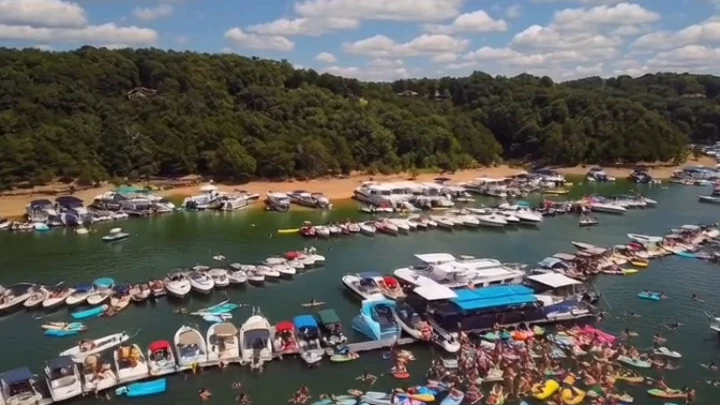
Kentucky had 141,751 registered recreational boats in 2024. That year the state recorded 31 reportable boating accidents that killed 8 people and injured 22. Kentucky’s death rate of 5.6 per 100,000 registered boats was higher than the national rate of 4.8, and alcohol was a contributing factor in 5 of the 8 Kentucky deaths.
Chapter 235 Vessel Rules
Chapter 235 of the Kentucky Revised Statutes governs boats and boating on Kentucky waters. Under KRS 235.300, an operator who violates one of its rules and injures someone is liable for negligent operation, the same as an operator who fails to use ordinary care. These sections carry the duties a boating case is built on:
Life Jacket Requirements
KRS 235.203 requires every child under 12 in an open boat or on an open deck of a recreational vessel to wear a properly fitted, Coast Guard approved life jacket while the vessel is underway. The duty reaches past the child: no owner or operator may permit a child under 12 to ride in violation of it. Every occupant of a boat in Kentucky must have ready access to a properly fitting Coast Guard approved life jacket.
Drowning caused 76 percent of U.S. boating deaths in 2024 where the cause was known, and 87 percent of those victims whose life jacket use was known were not wearing one. A missing or ill-fitting jacket on a rented boat also implicates the marina duties in KRS 235.230.
Personal Watercraft Restrictions
KRS 235.285 requires every rider on a personal watercraft to wear a Coast Guard approved life jacket, requires a lanyard engine cutoff switch on any personal watercraft without self-circling capability, and bars personal watercraft from the water between sunset and sunrise.
The section also bars any vessel operator from weaving through congested traffic, jumping another boat’s wake, or turning sharply at close range toward a person or object in a way that endangers life or property, and from cutting between a boat and the person it is towing. No vessel may come within 50 feet of a commercial vessel and its tow without the commercial operator’s consent.
A child under 12 may not operate a personal watercraft or a motorboat over 10 horsepower. Operators from 12 through 17 need a safe boating certificate or a person 18 or older aboard, and a parent or supervising adult may not knowingly let a minor operate in violation of the section.
Negligent and Intoxicated Operation
KRS 235.240 bars anyone from operating a motorboat or vessel in a reckless or negligent manner that endangers life or property, and from operating one while intoxicated or under the influence of any substance that impairs driving ability. Every operator on Kentucky waters is deemed to have consented to an alcohol or drug test.
The elements of boating under the influence are the same ones KRS 189A.010 sets for drunk driving on the road, including an alcohol concentration of 0.08 or more. Alcohol use is the leading known contributing factor in fatal boating accidents nationwide, and it was the leading factor in 20 percent of the 2024 deaths where the primary cause was known.
A bar or restaurant that served the operator can share responsibility. Under KRS 413.241, a licensed seller is liable for injuries off its premises when a reasonable person would have known the customer was already intoxicated when served, and the intoxicated person stays primarily liable. Those dram shop cases run alongside the case against the boat’s operator.
Owner Liability Under KRS 235.300
KRS 235.300 makes the operator liable for injury caused by negligent operation. When the owner was not operating the boat, the statute holds the owner liable only under one of three conditions.
Owner Liability Conditions
The same section states that it does not relieve any other person of liability that person would otherwise have. A marina, a rental business, or a bar answers for its own conduct whether or not the owner is liable.
Rental Marina Duties
KRS 235.230 requires a marina that rents out motorboats to record the renter’s name and address, the boat’s identification number, the departure time and date, and the expected return, and to keep that record for at least six months. The marina may not let a rented motorboat leave unless it carries the equipment the law requires.
That equipment list is in KRS 235.200: personal flotation devices of the type and number the U.S. Coast Guard prescribes, lights after dark and in poor visibility, ventilation for enclosed fuel spaces, and the boat’s certificate number. The same section bars anyone from operating, or giving permission to operate, a motorboat that lacks that equipment or is not safe to run.
Accident Reports in Court
KRS 235.250 requires the operator of a vessel involved in an accident to render practicable assistance and to give a name, address, and the vessel’s identification in writing to anyone injured and to the owner of damaged property. When the accident causes a death, an injury, or more than $500 in property damage, the operator must file a full report with the Department of Fish and Wildlife Resources.
KRS 235.260 keeps that report confidential to the department, and no such report may be used as evidence in any trial arising out of the accident. A boating case is built from what remains: the written identification exchanged at the scene, the marina’s rental record, witnesses on nearby boats, photographs and video, and the boat’s own damage. When speed, wake, or position is disputed, accident reconstruction answers the impact sequence.
Federal Maritime Law
In Foremost Insurance Co. v. Richardson, 457 U.S. 668 (1982), the U.S. Supreme Court held that a collision between two vessels on navigable waters falls within federal admiralty jurisdiction, even when both boats are pleasure craft. The Ohio River along Kentucky’s northern border is navigable water, so an accident there can raise federal maritime questions a lake case may not.
One of those questions is the federal limitation of liability. 46 U.S.C. § 30523 caps a vessel owner’s liability for injury by collision at the value of the vessel and pending freight when the loss happened without the owner’s privity or knowledge, and 46 U.S.C. § 30529 lets the owner ask a federal court to apply that cap. Whether the loss happened with the owner’s privity or knowledge decides whether the cap holds.
Insurance Coverage Sources
Because Kentucky does not require boat liability insurance, the coverage that exists decides how a boating case is paid. The operator may carry a boat policy, or none. An owner who was aboard, or whose operator was on the owner’s business, brings the owner’s policies into the case. A homeowner’s or umbrella policy may respond depending on its terms, a rental business may carry its own policy, and a bar that served a visibly intoxicated operator adds a commercial defendant.
When a boating accident is fatal, the case becomes a Kentucky wrongful death case, and the same coverage questions decide what the family can recover.
Key Takeaways
Kentucky Boating Accident? Get Every Dollar You Are Owed
After a boating accident, insurance companies are about protecting their bottom line. We’re about protecting you. Sam Aguiar Injury Lawyers takes over your case so you can focus on getting better. Every client gets a dedicated three-person team: a top-rated attorney, an experienced case manager, and a skilled legal assistant. With our Bigger Share Guarantee®, you always get more, and you pay $0 out-of-pocket forever. Call today for a free case review.