

Social Media Mistakes That Hurt Injury Cases
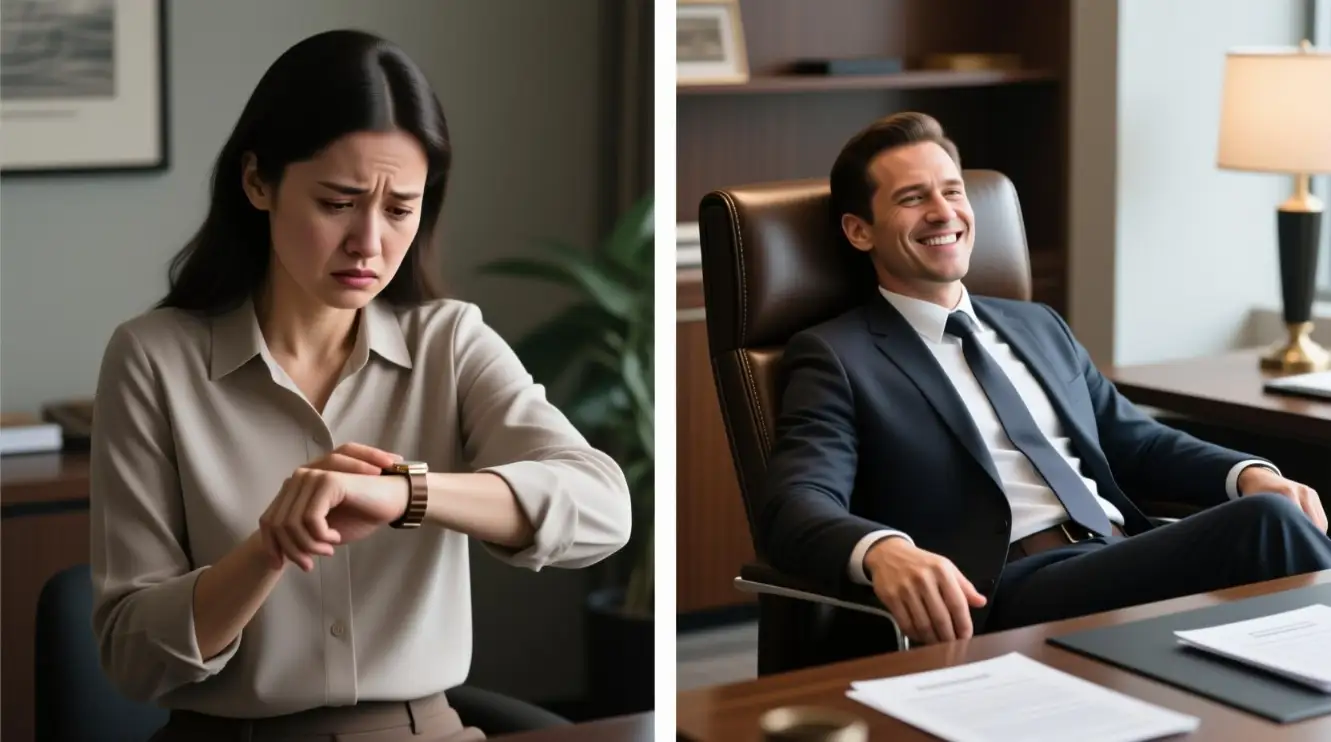
Within hours of a personal injury case being filed, the other driver’s insurance company assigns an adjuster whose job is to limit how much the insurer pays. Searching the claimant’s social media accounts is now a standard part of that investigation. It costs the insurer almost nothing and can save it thousands or even hundreds of thousands of dollars if the adjuster finds the right post.
Social Media as Injury Case Evidence
Social media can become evidence in an injury case. Public posts may prompt requests for other relevant material, and courts have addressed discovery disputes involving private Facebook content. The court decisions discussed below show why an account’s privacy setting does not settle the discovery question, and the overview of social media surveillance covers how insurers monitor accounts.
Adjuster Social Media Searches
Adjusters read a claimant’s posts to build a case against the case, and their search follows a specific pattern:
- Physical activity inconsistent with claimed injuries: hiking photos, gym check-ins, sports participation, or even standing for long periods at an event
- Travel and social activity: vacation posts, concert photos, or restaurant check-ins that suggest the claimant’s life is less limited than the case states
- Statements about the accident: any description of the crash, fault, or the other driver that differs from the official case
- Comments about the insurer or the other party: venting about the insurance process or describing case strategy
- Tagged posts and friend activity: a tag from a friend can place the claimant at a location or activity never mentioned
- Old posts establishing a baseline: pre-accident content can be used to argue that pre-existing conditions or previous injuries caused the current symptoms
Private Posts in Litigation
Private settings do not create a blanket exemption from discovery. In federal civil cases, Rule 26(b)(1) concerns nonprivileged information relevant to a case or defense and proportional to the needs of the case. State-court rules and protective orders may differ. A request does not automatically entitle an opponent to an entire account. Relevant posts and messages should be preserved, and counsel should address the scope of any request.
Six Social Media Mistakes That Damage Cases
Six Posting Habits Hand Adjusters Material Against a Case
Common social media mistakes after an accident, in the order they usually happen
Posting about the accident. Any description of the crash, even a brief “I was in an accident today,” creates a record that can be scrutinized for inconsistencies with the official account.
Sharing activity photos. A single photo at a cookout, a child’s school event, or a dog walk can be used to argue that mobility limitations are exaggerated, even when the claimant was in significant pain.
Checking in at locations. Location tags and check-ins create a timeline of movement and activity, and a check-in at a gym, a sporting event, or any location inconsistent with the injuries gives adjusters material to work with.
Discussing the case publicly. Venting about the other driver’s insurance company, discussing strategy, or expressing frustration about the claims process can undermine credibility and reveal information that benefits the defense.
Accepting unknown friend requests. Insurance investigators sometimes create fake profiles to gain access to claimants’ private accounts, so accepting requests from strangers after an accident can expose private content to the opposing side.
Deleting existing posts. Removing posts once litigation is underway or anticipated can be treated as spoliation of evidence, and courts have sanctioned plaintiffs for it. Existing content should stay in place while new posting stops.
Court Rulings on Social Media Evidence
In Romano v. Steelcase Inc. (2010), a New York trial court ordered disclosure of Facebook and MySpace material after public posts appeared inconsistent with the plaintiff’s claimed limitations. It was a discovery ruling, and it did not hold that every social media account is open to unrestricted review.
In Forman v. Henkin (2018), New York’s highest court addressed Facebook discovery in an injury case and called for requests tailored to the cases and relevant information. These New York decisions illustrate discovery issues; the rules governing a Kentucky case must be evaluated separately.
Social Media Practices During a Case
Existing content should be preserved, and any requested changes should be discussed with the attorney first.
Steps That Protect Evidence
- Ask the attorney about privacy settings while preserving existing content
- Stop posting until the case is fully resolved
- Ask family and friends not to tag the claimant in anything
- Screenshot and preserve evidence from the other party’s social media, without deleting the claimant’s own posts
- Review accounts with the attorney before anything is produced in discovery
Conduct to Avoid
- Posting about the accident, injuries, or medical treatment
- Checking in anywhere or sharing location data
- Commenting on others’ posts about activity levels
- Accepting friend requests from unknown people
- Deleting posts that existed before or at the time of the accident
Discovery Requests for Social Media
During litigation, a party may seek relevant social media material through requests directed to the account holder, part of the discovery process in a Kentucky injury lawsuit. What must be produced depends on the governing rules, objections, and court orders. A civil subpoena sent to a platform does not automatically unlock private message content: the Stored Communications Act, including 18 U.S.C. § 2702, restricts provider disclosure subject to statutory exceptions.
In a federal case, Rule 26(b)(1) requires relevance and proportionality. Discovery can be limited to appropriate subjects and periods, and protective orders may address privacy concerns. The rules governing admissibility at trial are a separate question from the rules governing discovery. Related risks from early insurer contact are covered in the resource on insurance recorded statements.
Should You Stay Off Social Media Now?
A single vacation photo or gym check-in can give an adjuster a reason to discount real injuries, even when the post tells only part of the story. Sam Aguiar Injury Lawyers can go over your accounts with you, explain what the other side is likely to request, and keep the record focused on your medical evidence. Clients have left the firm more than 1,000 five-star Google reviews. Set up a free case review before your next post goes up.
Frequently Asked Questions
1Can insurance companies see my private social media posts?+
2What if I already posted something that might hurt my case?+
3Does it matter if the photo was taken before the accident?+
4Are dating apps, gaming chats, and private forums also discoverable?+
5Should I deactivate my social media accounts after an accident?+
Latest Articles
Kentucky Diminished Value Claims
Kentucky drivers may pursue a repaired vehicle’s leftover market loss from the at-fault driver as part of a.

FMCSA Revoked ELDs: Fleet Compliance and Enforcement Deadlines
FMCSA removed five electronic logging devices from the registered list on August 6, 2026, and set an October.

FMCSA English Proficiency Rule and OOS Enforcement
FMCSA English Proficiency Rule Sam Aguiar Injury Lawyers August 11, 2026 7 minute read On This Page.