

Fayette County And Central Kentucky
Lexington Pedestrian Accident Lawyers
 ★★★★★
Over 1,000 Five-Star Reviews
•
Available 24/7. $0 Out-Of-Pocket Forever.
Hit While Walking in Lexington
A pedestrian case starts with one question the insurer will ask right away: where were you, and who had the right of way? The answer usually comes from the crossing itself, the turning path of the car, the lighting, and the people who saw it. Those facts fade fast, so the first weeks of the case go to locking them down.
Sam Aguiar Injury Lawyers works pedestrian cases from its office at 620 W. Main St. in downtown Lexington, led by Managing Partner Jon Hollan. The team handles cases across Fayette County and Central Kentucky, from downtown and the UK campus to the commercial corridors on Nicholasville Road and New Circle Road.
Pedestrian Right of Way by Crossing Type
Kentucky sets different duties depending on the crossing. Where no traffic signal is working, a driver must yield to a pedestrian crossing the road and slow down or stop to do it, under KRS 189.570(4). A driver must also yield to anyone on a sidewalk.
A pedestrian crossing outside a marked or unmarked crosswalk must yield to vehicles, and inside city limits a pedestrian between two signalized intersections must use the marked crosswalk. Those rules do not end the case. The same statute requires every driver to exercise due care to avoid colliding with any pedestrian, sound the horn when needed, and take extra care around children and anyone who appears confused or impaired.
When both sides share blame, a Kentucky jury assigns a percentage of fault to each party and the award is adjusted to match. A mid-block crossing can lower what a case is worth. It does not wipe out a claim against a driver who was speeding, looking at a phone, or not watching the road.
Turning Vehicles
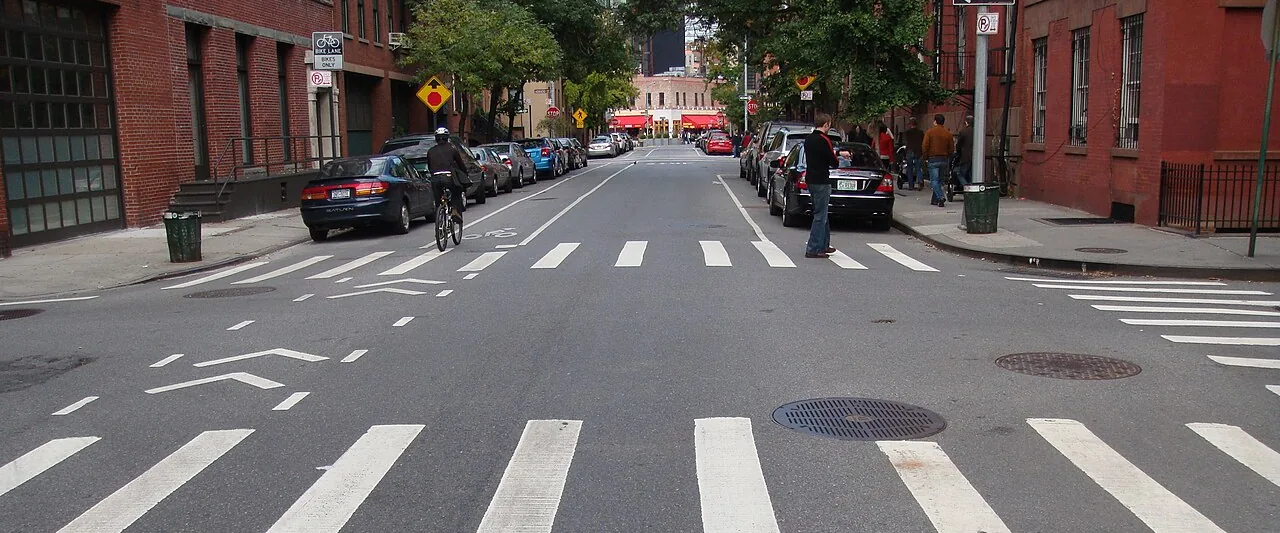
Many Lexington pedestrian crashes happen while the person on foot has the walk signal. A driver who turns while the light is green must still yield the right-of-way to pedestrians lawfully within the intersection or an adjacent crosswalk, and a driver turning right on red must stop and yield first.
Kentucky’s 2024 crash data shows how often that goes wrong. Of the 358 pedestrian actions coded as crossing with the signal, the vehicle was turning left in 97 and turning right in 54. Left turns are the worse problem because the driver is judging oncoming traffic and finishing the turn at the same moment the pedestrian steps off the curb.
In a turning case, the useful evidence is the signal phase, where the car started its turn, the point of impact in the crosswalk, and any video that shows both the light and the car.
Visibility and Lighting
Insurers lean hard on visibility. Dark clothing and walking in the roadway were the two most common pedestrian factors in fatal Kentucky pedestrian crashes in 2024, coded 38 and 42 times. Those codes come from the officer’s report, and they rarely tell the whole story.
Visibility cuts both ways. A driver has to look where people are expected to be and slow down when a view is blocked by a bus, a parked truck or a hill. Scene lighting, the posted speed, and the driver’s own speed decide whether a pedestrian could have been seen in time. If the car has an event data recorder, federal rules require it to store pre-crash speed, accelerator and brake data, which can show whether the driver braked at all.
Witnesses and Roadway Evidence
Pedestrian cases depend on people who saw the crash: drivers stopped at the light, riders waiting at a bus stop, store and restaurant staff, and residents who came outside. Their names are often missing from the police report, so the team canvasses the area and records what witnesses remember while it is fresh.
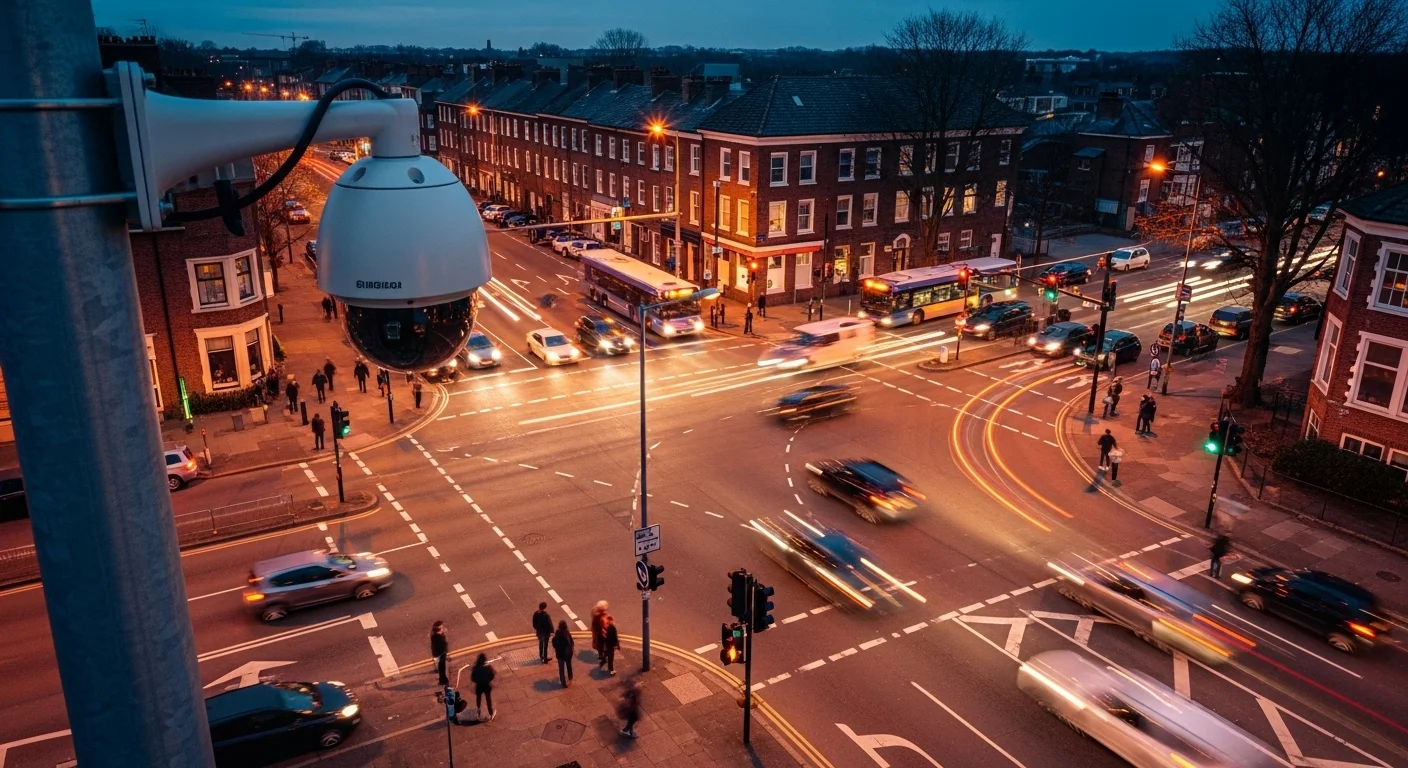
Physical evidence matters as much. The location of damage on the car, broken glass, a shoe or a phone in the road, and marks on the pavement place the point of impact. Kentucky Transportation Cabinet traffic cameras cover I-75 and other state routes, and the firm searches statewide DOT and TRIMARC camera archives that reach back about six months. The city’s public camera streams are not recorded, so business and doorbell video has to be requested quickly before it is overwritten.
When a driver leaves, KRS 189.580 requires anyone in a crash that injures a person to stop, help, and give their identifying information. Statewide, 12 pedestrians were killed in hit-and-run crashes in 2024. In a hit-and-run pedestrian case, camera and witness work is how the driver gets found.
Whose Insurance Pays
For a pedestrian, the first source for medical bills and lost wages is the personal injury protection (PIP) on the vehicle that hit you, under KRS 304.39-050. Basic PIP pays up to $10,000 per person for one accident.
Beyond PIP, the claim runs against the driver’s liability policy, which can be as low as $25,000 per person in Kentucky. When that is not enough, or the driver is unknown or uninsured, your own uninsured and underinsured motorist coverage may apply even though you were on foot, depending on the policy terms. These are the same coverage rules our Lexington car accident lawyers work with every day, applied to someone who was never in a vehicle.
Fees and Your Case Team
Every case gets a three-person team: an attorney, a case manager and a legal assistant. You pay $0 out of pocket, and the fee does not go up if the case goes to trial. Under the Bigger Share Guarantee®, you always receive more than the firm after medical bills, liens and case costs are paid. If the numbers would ever put the firm ahead, the firm cuts its fee.
Struck While Walking in Lexington?
Insurers often claim the pedestrian stepped out against a signal, and camera video, witnesses and the police file are what settle that argument. Sam Aguiar Injury Lawyers collects that evidence before recordings are overwritten and handles every adjuster call while you recover. Call today for a free case review.
Frequently Asked Questions
1Can I still recover if I was not in a crosswalk?
Often, yes. Outside a crosswalk the pedestrian must yield, but every driver still has a duty under KRS 189.570 to use due care to avoid hitting a pedestrian. Kentucky divides fault by percentage, so a mid-block crossing can reduce a recovery without ending it.
2Whose insurance pays my medical bills after I was hit?
Usually the PIP coverage on the vehicle that struck you pays first, under KRS 304.39-050, up to $10,000 per person. Bills beyond that are claimed against the at-fault driver and, when needed, your own uninsured or underinsured motorist coverage.
3What if the driver drove away?
Kentucky law requires a driver in an injury crash to stop and identify themselves. When a driver flees, the firm searches traffic-camera archives and nearby business video and canvasses for witnesses. If the driver is never found, uninsured motorist coverage may pay, depending on the policy.
4How long do I have to file a pedestrian injury lawsuit?
In most Kentucky motor-vehicle injury cases, KRS 304.39-230(6) allows two years after the injury or the last PIP payment, whichever is later. Other deadlines can apply, so get the date checked early.
5Do you offer Spanish-language services?
Yes. Hablamos español. Spanish-speaking team members can take your call, run your free case review, and keep you updated in Spanish. If you were hit while walking in Lexington, we work with Spanish-speaking clients on pedestrian cases.