
Delivery Driver Insurance Gaps
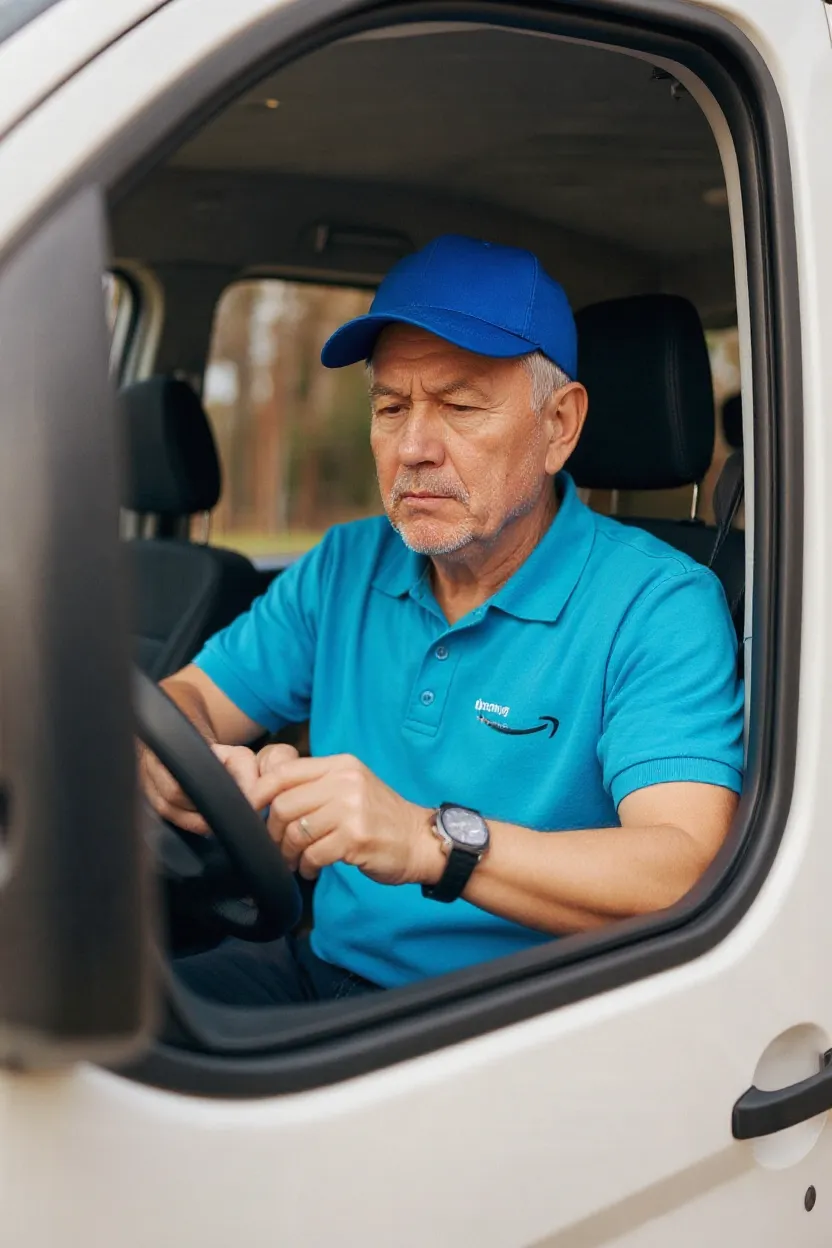
Delivery driver coverage can shift among personal, platform, and commercial policies based on the driver’s app status at the moment of the crash. Kentucky sets separate insurance rules for rideshare companies under KRS 281.655 and 601 KAR 1:113, and for app-based delivery companies under KRS 365.532.
Where Delivery Driver Insurance Gaps Appear
Gaps appear when a driver is working through an app and the personal auto policy excludes that activity. Kentucky allows personal insurers to write those exclusions, and it requires the platform side to carry coverage for the same periods. These protections closed a gap where drivers were working with no adequate insurance behind them.
Insurance for rideshare and delivery drivers changes based on what the driver is doing at the moment of the crash. The rules and dollar amounts differ for rideshare companies and delivery network companies.
Rideshare Coverage Periods
Kentucky rideshare coverage has two tiers, set by KRS 281.655 and Section 3 of 601 KAR 1:113.
Logged On and Waiting for a Request
The driver is logged into the app and available to accept rides but has not accepted one. During this period, the pre-trip acceptance policy must include:
- $50,000 per person for bodily injury
- $100,000 per incident for bodily injury
- $25,000 for property damage
- Basic reparation benefits (PIP) under KRS 304.39-020
- Uninsured and underinsured vehicle coverage
This is the riskiest gap. The driver’s personal auto policy may exclude app activity, and the required limits are relatively low. If a driver causes a serious crash while waiting for a request, available coverage may be limited.
Accepted Ride Through Drop-Off
A prearranged ride begins when the driver accepts a requested ride and continues until the rideshare service ends, under KRS 281.010. That period includes the drive to the pickup. The required liability limits rise to the amounts KRS 281.655(4) sets for passenger vehicles, which for a vehicle with seven regular seats or fewer are $100,000 per person, $300,000 per accident, and $50,000 for property damage, along with:
- Uninsured and underinsured motorist coverage under KRS 304.39-320
- PIP benefits under KRS 304.39-020
First-Dollar Coverage When Driver Coverage Lapses
Under 601 KAR 1:113, Section 3(6), if a rideshare driver’s own insurance has lapsed or does not provide the required coverage, the company must provide the required coverage beginning with the first dollar of the case and has the duty to defend. The company’s coverage cannot depend on a personal insurer first denying the claim.
Delivery Platform Coverage
App-based delivery companies follow a separate statute. KRS 365.532, effective January 1, 2025, requires coverage during both the delivery available period and the delivery service period of at least $50,000 per person, $100,000 per accident for bodily injury, and $25,000 for property damage, plus basic reparation benefits. If the driver’s coverage has lapsed or falls short, the delivery network company’s insurance pays from the first dollar and has the duty to defend.
App-Based Delivery Platforms
Delivery platforms use different insurance structures. The available policy depends on whether the driver was logged on and waiting, traveling to a pickup, or completing a delivery. App logs, dispatch records, contracts, and policy documents establish the driver’s status and which coverage applies.
DoorDash, Grubhub, and Uber Eats
Food delivery drivers carry goods, so the delivery statute applies to them. Under KRS 304.39-048, a personal auto insurer may exclude all coverage during a delivery available period or delivery service period, which leaves the KRS 365.532 coverage as the policy that responds.
Amazon Flex
Amazon Flex drivers operate as independent contractors using personal vehicles. The firm’s Amazon delivery vehicle accident page covers how Amazon’s insurance layers work after a Flex or Delivery Service Partner crash.
Other Insurance After a Delivery Crash
Kentucky law provides separate protections regardless of the platform’s coverage:
- PIP benefits: the injured person’s own insurer pays up to $10,000 in basic reparation benefits for economic loss, including medical bills and lost wages, regardless of fault, under KRS 304.39-020.
- Uninsured and underinsured motorist coverage: if the at-fault driver’s policy is insufficient, the injured person’s own coverage under KRS 304.39-320 can add to the recovery.
- Tort threshold: once medical expenses exceed $1,000, or the injury includes a fracture, permanent disfigurement, or permanent injury, the injured person can pursue a full case against the at-fault driver under KRS 304.39-060.
Fayette County crashes are covered on the firm’s Lexington rideshare accident page. Similar coverage questions arise in Turo rental car accidents and traditional rental car crashes.
Driving Status Records
Which insurance applies depends on what the driver was doing at the exact moment of impact. For a rideshare crash, the difference between the $100,000 per incident pre-trip limit and the $300,000 per accident prearranged ride limit can decide how much coverage is available.
Kentucky requires the companies to produce the timeline. Under 601 KAR 1:113, Section 4(7), cases coverage information includes the precise times a rideshare driver logged on and off in the 12 hours before and after the incident. Under KRS 365.532, a delivery network company must provide the precise times a driver’s delivery periods began and ended in the 24 hours before and after the crash, and its insurer assumes primary liability if the timing is disputed and the company does not provide that information.
Hit by a Delivery Driver Between Orders?
Whether a delivery driver was logged in, waiting for an order, or carrying one can decide which policy pays, and the platform’s app records hold that answer. Sam Aguiar Injury Lawyers pursues those driving status records and every coverage source available to you. We can also pull DOT and TRIMARC traffic camera archives that reach back about six months. Most cases qualify in under 10 minutes. Start with a free case review.
Frequently Asked Questions
1What does KRS 281.655 require for rideshare insurance?+
2Does Kentucky law require insurance for DoorDash and Uber Eats drivers?+
3What if the gig driver’s personal auto insurance denies my case?+
4How do I know which coverage period the driver was in when the crash happened?+
Latest Articles
Kentucky Diminished Value Claims
Kentucky drivers may pursue a repaired vehicle’s leftover market loss from the at-fault driver as part of a.
FMCSA Revoked ELDs: Fleet Compliance and Enforcement Deadlines
FMCSA removed five electronic logging devices from the registered list on August 6, 2026, and set an October.
FMCSA English Proficiency Rule and OOS Enforcement
FMCSA English Proficiency Rule Sam Aguiar Injury Lawyers August 11, 2026 7 minute read On This Page.