

What a Personal Injury Lawyer Does After an Accident

A personal injury lawyer identifies the insurance policies, records, and legal issues that control a case. The work also gives the client a clearer basis for deciding whether to settle or continue the case.
Case Evaluation
The first review separates known facts from questions that still need records. A lawyer may examine an accident report, insurance declarations, photographs, medical records, wage information, and written communication from an insurance company.
The review also identifies who may be legally responsible and which policies may apply. A Kentucky car accident can involve liability coverage, uninsured motorist coverage, or underinsured motorist coverage. Each policy has its own terms and notice requirements.
Insurance Communication
A lawyer can manage case communication and keep the record tied to verified information. That includes identifying the correct insurer, reviewing requests for statements or authorizations, and answering questions with the available documents.
Insurance companies evaluate liability, medical causation, treatment, damages, and available coverage. Their records may include adjuster notes and software-supported case assessments. The firm’s article on insurance claim tactics explains how those systems can affect an evaluation.
Evidence and Records
A claim is evaluated through records that connect the accident to the injury and financial loss. Useful material can include photographs, video, witness information, medical charts, diagnostic images, bills, tax records, and employer wage statements.
Some records can change or disappear. A business may overwrite surveillance video under its ordinary retention policy. A damaged vehicle may be repaired or sold. A lawyer can identify records that require a preservation request and decide whether formal discovery is needed after a lawsuit is filed.
- Coverage review: policies, declarations, and denial letters show which coverage may apply.
- Liability review: reports, photographs, video, and witness statements show who may be responsible.
- Medical review: charts, imaging, bills, and provider notes show whether the records connect treatment to the accident.
- Income review: pay records, tax records, and employer statements show whether wage loss is documented.
Damages Documentation
Damages documentation records the financial and personal effects of an injury. Medical bills and wage records show specific amounts. Medical notes, work restrictions, and testimony can describe pain, physical limits, and changes in daily activity.
The records must fit the facts of the case. A treatment recommendation does not show that treatment occurred. A missed-work estimate does not replace payroll records. A lawyer reviews gaps before presenting a demand or filing evidence with the court.
Settlement Decisions
The client decides whether to accept a settlement. Kentucky Supreme Court Rule 3.130(1.2) directs a lawyer to follow the client’s decision about settlement after consultation.
A lawyer explains the offer, known liens and expenses, available coverage, evidence risks, and the alternatives to settlement. The advice should give the client enough information to make the decision. Anyone comparing counsel can review the firm’s article on choosing a personal injury lawyer.
Contingency Fees
A contingency fee pays the lawyer from a recovery instead of an hourly bill. Kentucky Supreme Court Rule 3.130(1.5) requires the agreement to be in writing and signed by the client. It must explain the percentage used for settlement, trial, or appeal and how case expenses affect the recovery.
The written agreement should answer who pays expenses if there is no recovery. At the end of a contingency-fee matter, the lawyer must give the client a written statement showing the result and how the client’s payment was calculated.
The Kentucky Bar Association lawyer directory provides a public place to verify a lawyer’s license information before signing an agreement.
What Would a Lawyer Do With Your Case?
Everything on this page, from handling insurer calls to documenting damages, is work a lawyer takes on so you are not carrying it alone while you recover. At Sam Aguiar Injury Lawyers, that work sits with a dedicated three-person case team assigned to your file. Our average resolution time is under 7 months. A free case review will tell you whether your case qualifies and what the next steps look like.
Frequently Asked Questions
1What Does a Personal Injury Lawyer Do?+
2Who Decides Whether to Accept a Settlement?+
3How Does a Contingency Fee Work?+
4What Records Belong in a Case Review?+
Latest Articles

Kentucky Diminished Value Claims
Kentucky drivers may pursue a repaired vehicle’s leftover market loss from the at-fault driver as part of a.
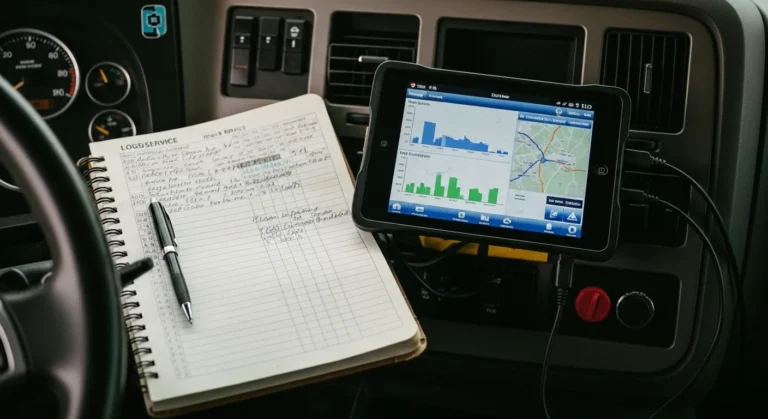
FMCSA Revoked ELDs: Fleet Compliance and Enforcement Deadlines
FMCSA removed five electronic logging devices from the registered list on August 6, 2026, and set an October.

FMCSA English Proficiency Rule and OOS Enforcement
FMCSA English Proficiency Rule Sam Aguiar Injury Lawyers August 11, 2026 7 minute read On This Page.