

Kentucky Personal Injury Case Process Step by Step
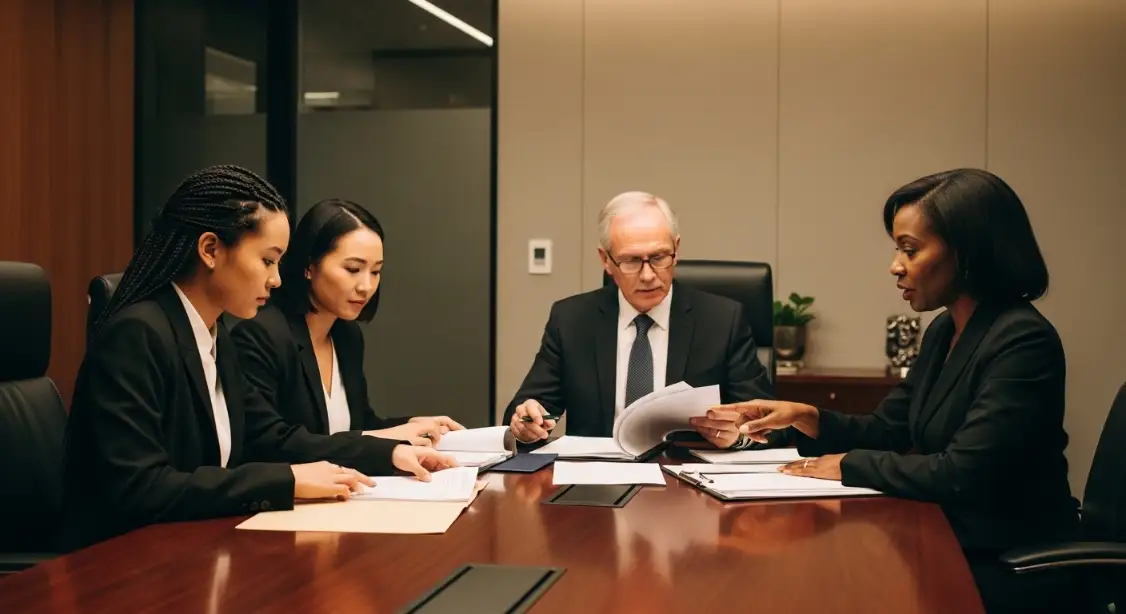
A personal injury case moves through predictable stages, from medical treatment and insurance reporting through investigation, negotiation, and, when a case does not settle, litigation. Knowing those stages removes uncertainty for an injured person making decisions along the way. This is a general overview; the specific facts of each case determine exact timing and steps.
Early Case Steps
Medical Treatment
An injured person should go to the emergency room, urgent care, or a doctor as soon as possible, even when feeling okay. Injuries like traumatic brain injuries, internal bleeding, herniated discs, and soft-tissue damage often do not show symptoms for 24 to 72 hours. Gaps in medical treatment are a common argument insurers use to claim a person was not seriously hurt. Following the doctor’s instructions, attending every appointment, and keeping all bills, records, and receipts related to the injury protects the case.
Insurance Reporting and PIP Priority
The accident should be reported as required by the applicable policy, and any request for a statement should go to the injured person’s attorney first. Kentucky’s KRS 304.39-050 generally places PIP responsibility first on the coverage for the vehicle occupied at the time of the accident; for a pedestrian, it generally starts with the vehicle that struck the pedestrian. The statute provides fallback rules, so the injured person’s own policy is not automatically the primary source in every accident. Part 2 of the Kentucky personal injury cases series covers the insurance system in more detail.
Attorney Review
Earlier attorney involvement produces a stronger case, because evidence such as surveillance video, black box data, maintenance records, and witness recollections can disappear within days or weeks. At Sam Aguiar Injury Lawyers, the initial case review costs nothing, and each accepted case is assigned a dedicated three-person team: a top-rated attorney, an experienced case manager, and a skilled legal assistant. Part 1 of the series and the checklist of steps after a Kentucky car accident cover the first days after an accident.
Investigation and Medical Recovery
Evidence Investigation
The attorney’s team gathers all available evidence: police and incident reports, medical records, photos and video, witness statements, accident reconstruction (when warranted), and employer records for lost wages. At this stage, accident reconstruction professionals and medical professionals may be retained. In truck accident cases, hours-of-service logs, electronic logging device data, and maintenance records are subpoenaed. Part 3 of the series covers evidence collection and early investigation.
Maximum Medical Improvement
A case cannot be accurately valued until the injured person reaches maximum medical improvement (MMI), the point at which the doctor determines recovery has plateaued or the condition has stabilized. Settling before MMI almost always undervalues the case because future medical costs and permanent limitations are not yet known. Detailed records of every appointment, procedure, and symptom carry the most weight at this stage.
Demand and Negotiation
After MMI, the attorney prepares a demand package: a complete document presenting liability evidence, the full medical records, documented economic damages (medical bills, lost wages, future care costs), and a pain and suffering analysis. The package goes to the at-fault insurer with a demand for top compensation. Insurers typically respond with a counteroffer, and negotiations follow. Common insurance company tactics show up during this stage, and Part 4 of the series covers negotiations and litigation.
Litigation Stages
Filing a Lawsuit
If settlement is not reached, counsel can evaluate filing in the proper court. Kentucky’s small cases division generally handles eligible cases of $2,500 or less, excluding interest and costs, under KRS 24A.230. Other cases may belong in District Court or Circuit Court depending on jurisdiction and the relief sought. Filing does not require a trial; a case may settle or be resolved through court rulings. More detail appears in the overview of when personal injury cases become lawsuits.
Discovery
Discovery is the formal evidence-exchange process in litigation. Both sides share documents, respond to written questions (interrogatories), and take depositions, which are sworn, recorded testimony from parties and witnesses. The attorney prepares the client for the deposition. Discovery can take 6 to 18 months in complex cases. At-fault parties, companies, and their employees can all be deposed, and documentary evidence like company policies, maintenance logs, and internal communications is obtained.
Mediation
Most Kentucky personal injury cases settle before trial, often at mediation, a process where both sides present their positions to a neutral mediator who works toward a resolution. Mediation is not binding, but many cases resolve there. The strength of the evidence, the quality of the documentation, and the credibility of the witnesses all affect settlement value at this stage, and an attorney’s trial record influences how seriously insurers treat mediation.
Trial
If the case does not settle, it goes to trial before a judge or jury. A Kentucky personal injury trial typically lasts 3 to 7 days for a moderate case, though complex cases run longer. The attorney presents the evidence, examines witnesses, and makes arguments on liability and damages. Part 5 of the series covers trial and life after the case, and the high-stakes cases page covers complex, high-value litigation.
Payment and Liens
After settlement or judgment, payment and any remaining cases or liens must be addressed. The fee agreement and settlement statement explain the attorney fee, case expenses, and disbursement. Under the firm’s Bigger Share Guarantee®, the client always walks away with more than the firm, and if the client’s share is ever less, the firm cuts its fee.
Case Timing
Timing varies with injury severity, the development of medical evidence, insurer cooperation, and whether litigation is needed. No single schedule applies to every Kentucky personal injury case.
Common Case Mistakes
- Waiting too long to seek medical care. Gaps in treatment give insurers ammunition to argue the injuries were not caused by the incident.
- Giving a recorded statement to the at-fault driver’s insurer, covered in the resource on insurance recorded statements.
- Accepting the first offer. Initial offers are almost always well below the strength of the case, as the breakdown of early settlement offer tactics shows.
- Posting on social media. Insurers monitor social media for evidence that contradicts claimed injuries, as described in the resource on social media surveillance.
- Settling before MMI. Future care costs cannot be accurately valued while long-term medical needs are unknown.
- Missing the statute of limitations. There is no recovery after the deadline, regardless of how compelling the facts are.
Questions About Where Your Case Stands?
Accepting a first offer, posting online, settling before MMI and missing the deadline are mistakes that can cost an injured person the most. Sam Aguiar Injury Lawyers walks through each stage with you, and average resolution runs under 7 months. The Bigger Share Guarantee® means you walk away with more than the firm after bills, liens and case costs, or the firm cuts its fee. Start with a free case review and ask where your case stands.
Frequently Asked Questions
1How does the personal injury claims process start in Kentucky?+
2What is maximum medical improvement?+
3What happens if the insurance company denies my case?+
4Which Kentucky court hears a personal injury lawsuit?+
Latest Articles

Kentucky Diminished Value Claims
Kentucky drivers may pursue a repaired vehicle’s leftover market loss from the at-fault driver as part of a.
FMCSA Revoked ELDs: Fleet Compliance and Enforcement Deadlines
FMCSA removed five electronic logging devices from the registered list on August 6, 2026, and set an October.

FMCSA English Proficiency Rule and OOS Enforcement
FMCSA English Proficiency Rule Sam Aguiar Injury Lawyers August 11, 2026 7 minute read On This Page.