

What To Do After a Kentucky Car Accident
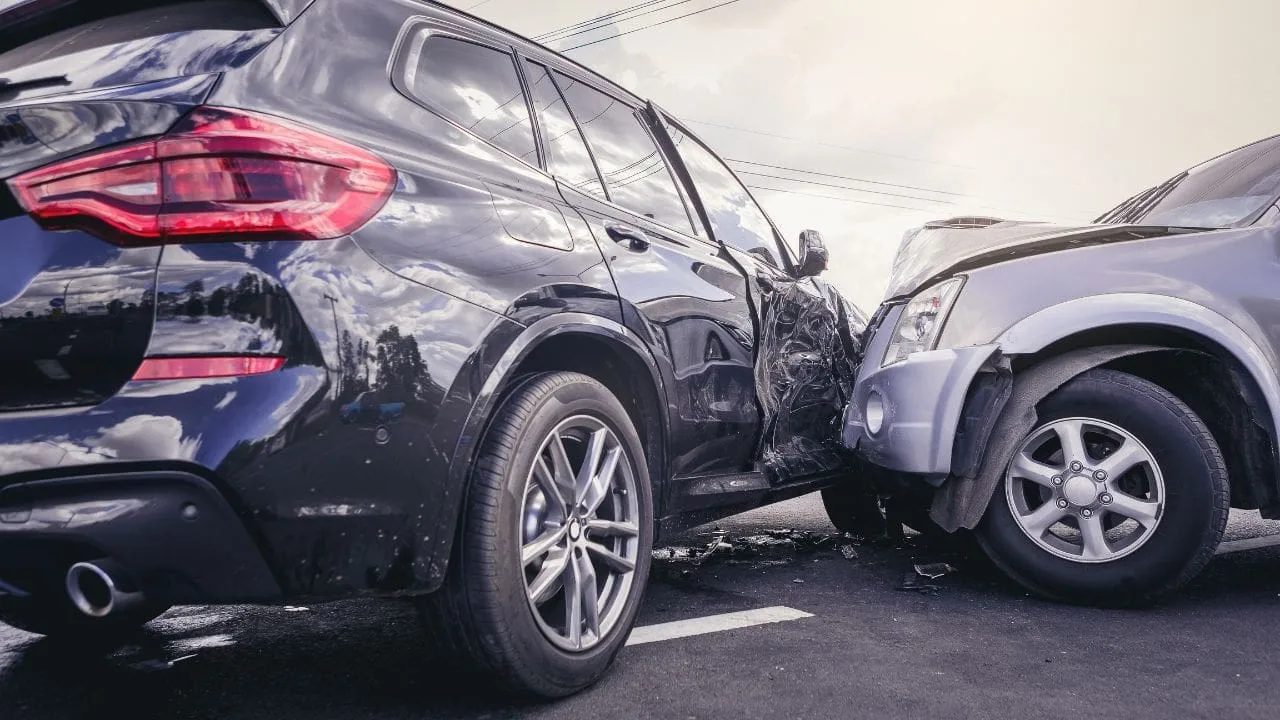
After a Kentucky car accident, the first hours and days protect health first, then preserve the evidence and insurance record a case depends on. Kentucky’s no-fault system, PIP benefits, and tort deadlines shape what happens next, and the steps below follow the order they usually arise.
Injury Check and 911 Call
The first step is confirming everyone is safe and calling 911 for injuries or a vehicle that cannot be driven. Under KRS 189.580, a driver involved in an accident must stop, check the extent of injury or damage, and render assistance, including arranging medical transport when treatment is clearly needed. The same statute requires the driver to notify 911 or law enforcement immediately when the accident causes a death, a known or visible injury, or damage that leaves a vehicle inoperable.
Moving Vehicles Out of Traffic
Drivable vehicles belong out of active traffic lanes once moving them is safe. On an interstate, parkway, or ramp, KRS 189.580 requires drivers in an accident with no death, known or visible injury, or hazardous material to move their vehicles off the roadway as close to the scene as practicable. Hazard lights and a protected spot away from traffic are the safest place to wait for police.
Scene Photographs and Notes
Photographs taken at the scene preserve evidence that disappears within hours. The useful set covers vehicle positions, damage, license plates, road conditions, skid marks, traffic controls, and visible injuries, along with a note of the time, location, and weather. Camera footage from the area is covered in accident footage in Kentucky cases.
Driver and Witness Information
Drivers in a Kentucky accident exchange names, addresses, and vehicle registration numbers, and on interstates and parkways, insurance information, under KRS 189.580. Witness names and contact details, the responding officer’s name, and the collision report number round out the record. The report itself is covered in getting a police report after an accident.
Prompt Medical Evaluation
A medical evaluation soon after the accident is worth getting even when symptoms feel mild. Delayed pain is common after car accidents, and early records support both treatment and any later case. The reasons are covered in going to the hospital after an accident.
Insurer Notification and PIP
Reporting the accident to the insurer starts PIP benefits under Kentucky’s no-fault system. Basic PIP generally pays up to $10,000 in benefits regardless of fault, and under KRS 304.39-050, priority usually begins with the coverage on the vehicle the injured person occupied, or for a pedestrian, the vehicle that struck the pedestrian. Recorded statements to the other driver’s insurer are best avoided until rights are clear. Related reading covers insurance recorded statements and PIP direction options in Kentucky.
Records of Expenses and Evidence
A case is valued from records, so the file should include medical bills, wage records, repair estimates, prescription receipts, and a simple journal of symptoms and missed work. Damaged property is best kept unrepaired and undiscarded until it is documented. The full list is in documents needed after a car accident.
Kentucky Laws That Apply After an Accident
Kentucky statutes set the duties at the scene and the rules for the claim that follows. Tort claims not abolished by the no-fault law generally must be filed within two years after the injury, the death, or the last PIP payment, whichever is later, and different claims and circumstances can change the deadline.
| Statute | What It Requires |
|---|---|
| StatuteKRS 189.580(1)(a) | What It RequiresStop, determine the extent of injury or damage, render assistance, and provide registration and owner, occupant, and operator information on request. |
| StatuteKRS 189.580(1)(b) | What It RequiresMove vehicles off an interstate, parkway, or ramp after an accident with no death, known or visible injury, or hazardous material, and share insurance information on request. |
| StatuteKRS 189.580(6) | What It RequiresNotify 911 or law enforcement immediately when an accident causes a death, a known or visible injury, or an inoperable vehicle. |
| StatuteKRS 189.580(7) | What It RequiresFile a written report with Kentucky State Police within 10 days when no officer investigated an accident involving injury, death, or $500 or more in property damage. |
| StatuteKRS 304.39-050 | What It RequiresPIP priority starts with the occupied vehicle’s coverage, or the striking vehicle’s coverage for a pedestrian, with fallback rules. |
| StatuteKRS 304.39-060 | What It RequiresPain and suffering damages require medical expenses over $1,000 or a listed injury, such as a fracture, permanent injury, or death, unless the tort limits were rejected. |
| StatuteKRS 304.39-230(6) | What It RequiresA tort action must be filed within two years after the injury, the death, or the last PIP payment, whichever is later. |
| StatuteKRS 411.182 | What It RequiresFault is allocated by percentage, and a partially at-fault claimant’s recovery is reduced by that percentage without a cutoff. |
Source: Kentucky Revised Statutes, Kentucky General Assembly.
Lawyer Review Before Settling
Insurers often push early offers before the full injury picture is clear, and a signed release closes the case permanently. A free case review with a Kentucky car accident lawyer can identify PIP, liability, uninsured and underinsured motorist, and deadline issues before an offer is accepted. Adjusters also use documented tactics to minimize claims, described in the adjuster playbook.
Before You Sign an Insurance Release
Photos, witness names and a prompt medical visit protect a Kentucky car accident case, and the next thing that protects it is a careful look before any release gets signed. Sam Aguiar Injury Lawyers checks PIP, liability and uninsured motorist issues, and has access to DOT/TRIMARC traffic camera archives that reach back about six months. Most cases qualify in under 10 minutes, so a free case review fits into even a hectic week after a wreck.
Frequently Asked Questions
1Do I have to use PIP even if the other driver was clearly at fault?+
2What happens if medical bills exceed the $10,000 PIP limit?+
3How does Kentucky’s two-year statute of limitations work?+
4Can damages be recovered if the claimant was partially at fault?+
5Does Kentucky’s no-fault system apply to pedestrians hit by cars?+
6Does Kentucky’s no-fault law mean a claimant cannot sue the other driver?+
Latest Articles
Kentucky Diminished Value Claims
Kentucky drivers may pursue a repaired vehicle’s leftover market loss from the at-fault driver as part of a.
FMCSA Revoked ELDs: Fleet Compliance and Enforcement Deadlines
FMCSA removed five electronic logging devices from the registered list on August 6, 2026, and set an October.

FMCSA English Proficiency Rule and OOS Enforcement
FMCSA English Proficiency Rule Sam Aguiar Injury Lawyers August 11, 2026 7 minute read On This Page.