

Insurance Adjuster Tactics After A Car Accident
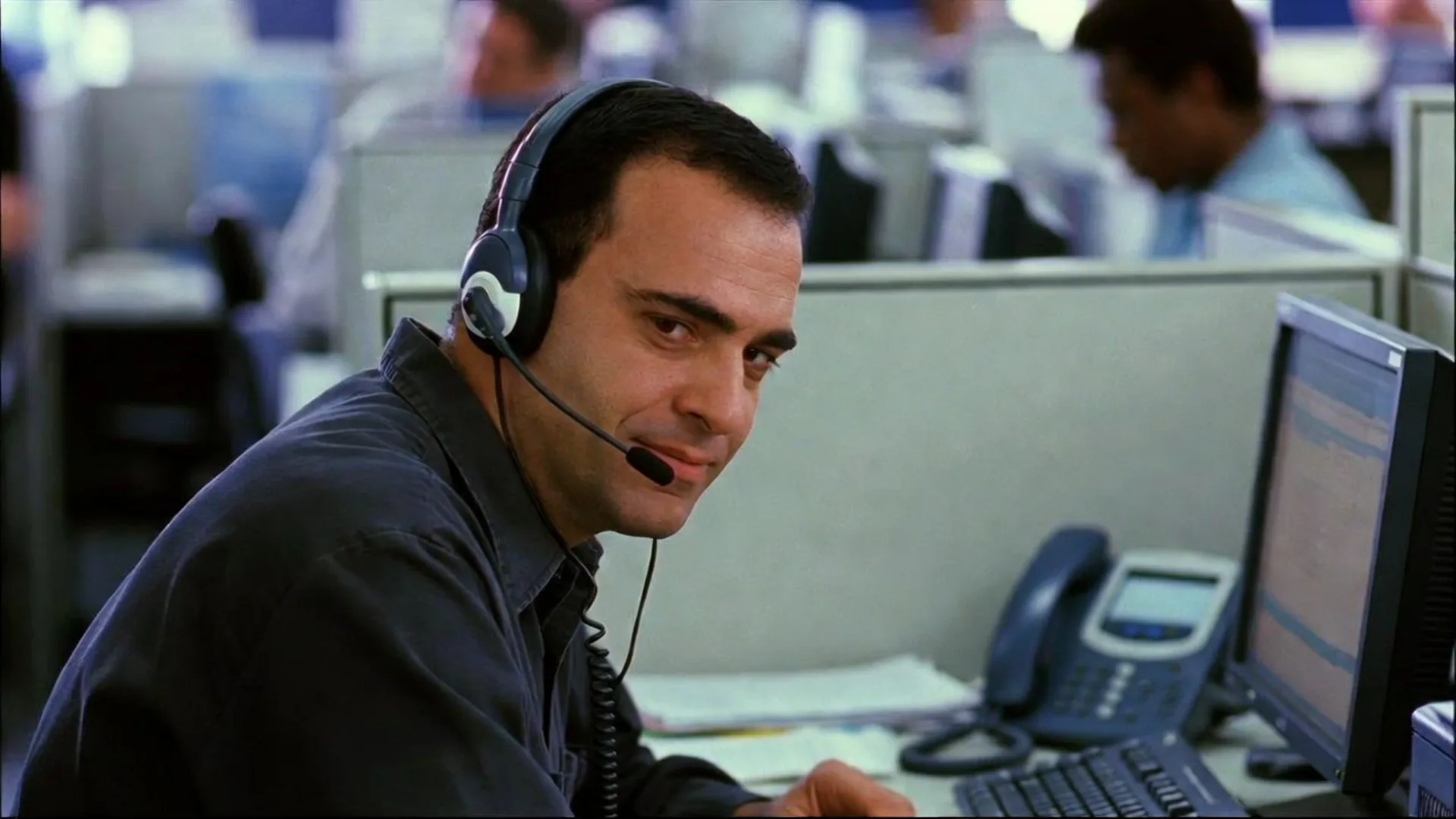
Insurance adjusters work for the insurance company, and their job is to resolve a Kentucky car accident claim for as little money as possible. Seven tactics come up again and again: gathering damaging statements, delay, drawing out shared fault, surveillance, attacks on medical treatment, discouraging legal representation, and fast low offers made before the full injury picture is known. Kentucky’s limits on those tactics follow the National Association of Insurance Commissioners Unfair Claims Settlement Practices Model Act.
Seven Adjuster Tactics
False Rapport and Early Statements
The adjuster’s first call often sounds like a welfare check: warm, sympathetic, and focused on whether the injured person is okay. The purpose is a recorded statement taken while the person is still rattled, before a doctor visit and before the extent of the injuries is known.
Every word in that call is recorded. A later report of severe back pain can be set against an early recording of feeling “okay.” Under Kentucky’s pure comparative fault rule in KRS 411.182, any statement suggesting shared fault reduces the compensation. No law requires an injured person to give a recorded statement to the other driver’s insurer, as insurance recorded statements after car accidents explains.
Claim Delays
When an adjuster lacks a good legal argument, time becomes the tool. Calls go unreturned for days, files move to a “new adjuster” who needs to start over, and document requests arrive in waves.
The goal is financial pressure. Medical bills pile up, lost wages accumulate, and a low offer starts to look acceptable just to end the claim. Kentucky’s Unfair Claims Settlement Practices Act, KRS 304.12-230, prohibits failing to act reasonably promptly on claim communications and failing to adopt reasonable standards for prompt investigation, so documented delays can support a bad faith claim. Insurance payment delays covers what the law requires.
Shared Fault Questions
Adjusters ask questions built to draw out an admission of fault: whether anything could have been done differently, whether the driver knew the intersection, and how fast the car was moving right before impact. Those questions build a case that the injured driver shares responsibility for the crash.
Under KRS 411.182, a Kentucky recovery is reduced by the injured person’s percentage of fault. If damages are $100,000 and the insurer establishes 25% fault, the recovery drops to $75,000. Dash cam footage, witness statements, police reports, and accident reconstruction counter this tactic.
Surveillance and Social Media Monitoring
Insurance companies hire private investigators to film claimants at home, running errands, and at social events. They also scan social media for photos, check-ins, and captions that seem inconsistent with the claimed injuries. A single photo from a family gathering, even one taken while the person was in pain, can be presented as evidence that the injuries are not serious.
Surveillance itself is legal. Social media surveillance after a car accident covers what adjusters look for.
Medical Treatment Challenges
Adjusters dispute whether treatment was medically necessary, point to pre-existing conditions as the “real” cause of symptoms, and suggest treatment should have stopped sooner. They may also request an independent medical examination by a physician from the insurer’s approved list who has a financial incentive to write reports that favor the insurer.
Consistent treatment and documentation of every appointment, prescription, and referral answer this tactic. Records from a treating physician carry more weight than a short examination by a hired reviewer.
Discouraging Legal Representation
Adjusters sometimes suggest that hiring an attorney will reduce the recovery because legal fees will eat into the settlement. Represented claimants are harder to undervalue: they know their rights, they do not accept low offers, and their attorneys take cases to trial when necessary.
Fast, Low Settlement Offers
A quick settlement offer, sometimes within days of the crash, feels like good news. Once the release is signed, the claim is closed forever.
Car accident injuries often take weeks or months to fully show. With herniated discs, concussions, and soft tissue damage, the full medical need and lost wages are not known on day five. A settlement signed before the injuries are understood caps the recovery at that check, with no reopening regardless of later medical needs. Insurance tactics and early settlement pressure covers the pattern.
Combined Pressure Sequence
The tactics often run in order. The adjuster calls early for a statement, then delays while financial pressure builds. Questions probe for shared fault while investigators watch social media. The medical treatment comes under attack, a lawyer is described as not worth the cost, and the settlement offer arrives when resistance is lowest.
Kentucky Claims Handling Rules
Kentucky’s claims-handling regulation, 806 KAR 12:095, puts deadlines on insurers:
- Acknowledge receipt of a claim notice within 15 days, unless payment is made within that time.
- Offer any payment due within 30 calendar days of receiving proof of loss.
- Notify a first-party claimant within 30 calendar days after proof of loss if more time is needed to decide the claim, with the reasons.
- Send a first-party claimant a letter explaining the need for more time 45 calendar days after initial notification, and every 45 calendar days after that, while the investigation remains incomplete.
KRS 304.12-230 also bars misrepresenting policy provisions and refusing to pay claims without a reasonable investigation. Violations can support a claim under Kentucky’s insurance bad faith law, with damages beyond the underlying claim.
Ready to Take Action on Your Injury Claim?
After a serious injury, medical bills pile up while the insurance company looks for ways to pay you less. Most law firms take their cut first and leave you with whatever is left. Sam Aguiar Injury Lawyers does things differently. With our exclusive Bigger Share Guarantee®, you always get more. Every client gets a dedicated three-person team: an attorney, a case manager, and a legal assistant. We never raise our fee rate if we have to go to court, and you pay $0 Out-Of-Pocket Forever.
Frequently Asked Questions
1Why does an adjuster call so soon after a crash?+
2Why do insurers delay claims instead of denying them outright?+
3Why do adjusters ask what could have been done differently?+
4Do insurance companies monitor social media after a claim?+
5Can an independent medical exam be used against a claim?+
6Why do adjusters discourage claimants from hiring a lawyer?+
Latest Articles
Kentucky Diminished Value Claims
Kentucky drivers may pursue a repaired vehicle’s leftover market loss from the at-fault driver as part of a.
FMCSA Revoked ELDs: Fleet Compliance and Enforcement Deadlines
FMCSA removed five electronic logging devices from the registered list on August 6, 2026, and set an October.

FMCSA English Proficiency Rule and OOS Enforcement
FMCSA English Proficiency Rule Sam Aguiar Injury Lawyers August 11, 2026 7 minute read On This Page.