
PIP Direction Options

Kentucky lets an injured person decide how PIP benefits are spent. Under KRS 304.39-241, an insured may direct the payment of benefits among the different elements of loss by giving the insurer a written direction, and the insurer must honor it going forward. Because basic PIP is capped at $10,000, that direction decides how far the benefit stretches between medical bills, lost wages, and replacement services.
PIP Direction Rights Under KRS 304.39-241
Directing PIP means telling the PIP insurer, in writing, which categories of loss and which bills the benefits should pay. Kentucky is a choice no-fault state. Under KRS 304.39-030, a person injured in a Kentucky motor vehicle accident has a right to basic reparation benefits, commonly called basic PIP, unless that person rejected the tort limitation. The benefits are paid regardless of fault.
Under KRS 304.39-020, basic PIP pays a maximum of $10,000 for all economic loss to one person from one accident. The elements of loss an insured can choose among are medical expense, work loss, replacement services loss, and survivor’s losses. Noneconomic harm such as pain and suffering is not covered.
KRS 304.39-241 has two parts. The first lets an insured direct payment among those elements of loss, for example preserving PIP for lost wages. The second lets an insured explicitly direct benefits for related medical expenses already paid to reimburse a health benefit plan, a limited health service benefit plan, Medicaid, Medicare, or a Medicare supplement provider. The statute was created in 1998 and last amended in 2012.
Bills Paid in the Order They Arrive
Without a written direction, medical providers bill the PIP insurer directly and the insurer pays the bills in the order they arrive. Hospitals, ambulance companies, and imaging centers usually bill first, and those early charges can use most of the $10,000 before physical therapy bills or lost wage claims come in. PIP money cannot be recovered once it is paid out, and the direction applies only to future payments.
The categories draw on one pool. An emergency room visit, imaging, and an ambulance charge can leave little for later treatment, lost wages, and replacement services. Health insurance never pays lost wages, so PIP spent on a bill a health plan would have covered is PIP no longer available for work loss.
Since July 15, 2026, PIP payments for medical expenses have been tied to the workers’ compensation fee schedule under House Bill 627, which limits what each bill can take from the pool. The order of payment still decides which categories are left uncovered when the $10,000 runs out. More on those changes is on the Kentucky HB 627 PIP reform page.
Coordination With Other Coverage
PIP and health insurance are separate coverages that can be coordinated after a crash. PIP pays first by default. Unless the insured directs otherwise, the auto insurer pays medical bills out of PIP before health insurance is involved.
Health insurance can pay first when bills are routed through it. The provider is paid under the health plan’s terms, and PIP can then be directed to the remaining out-of-pocket costs, such as copays and deductibles, or to lost wages and replacement services. The reimbursement option in KRS 304.39-241 also allows PIP to repay a health plan, Medicaid, Medicare, or a Medicare supplement provider that already paid a related medical bill.
Once PIP is exhausted, health insurance carries ongoing treatment under its usual deductibles, copays, and coverage limits. Many drivers also carry added PIP coverage in Kentucky, which raises the no-fault pool before health insurance takes over.
Health Insurance Subrogation
A health insurer that pays accident-related bills may hold a subrogation right, meaning it can claim reimbursement from the injured person’s settlement with the at-fault driver. PIP reimbursement works differently. Under KRS 304.39-070, the PIP insurer’s reimbursement claim runs against the at-fault driver’s insurer, so it generally does not come out of the injured person’s settlement, while a health plan lien does. The details are in car accident subrogation.
The best coordination depends on the size of the claim, the health plan’s terms, the available policy limits, and whether the at-fault driver has enough coverage to pay the claim in full. When that coverage falls short, uninsured and underinsured motorist coverage may fill the gap, and multiple policies may be combined under Kentucky’s UM and UIM stacking rules.
Policy Priority Rules
Kentucky law sets which policy pays PIP first. Under KRS 304.39-050, the applicable basic reparation insurance is the security covering the vehicle the injured person occupied at the time of the accident or, for a pedestrian, the vehicle that struck the pedestrian.
The same statute adds a backstop and a ceiling. If that insurer fails to pay within 30 days after receiving reasonable proof of the fact and amount of loss, the injured person may claim under any other basic reparation policy that covers them, and that insurer can seek full reimbursement from the first one. No person may recover basic reparation benefits from more than one insurer for the same accident, except as KRS 304.39-140 allows, or more than $10,000 in basic benefits for the same accident.
Added PIP Above the Basic Limit
Drivers can buy no-fault coverage above the $10,000 floor. Under KRS 304.39-140, an insurer must provide added reparation benefits on request in units of $10,000 per person, up to $40,000. A driver who buys them has a larger pool that the direction rights in KRS 304.39-241 can then apply across the elements of loss.
Steps to Direct PIP Benefits
A PIP direction works only on future payments, so it has to be made before the benefits are spent.
- Send the auto insurer a written direction. The letter should state which bills to pay, which providers to prioritize, and whether PIP should be applied to medical bills, lost wages, replacement services, or a combination.
- Give medical providers the health insurance information so they bill the health plan first, then submit the remaining out-of-pocket costs to the PIP insurer.
- Keep every bill, payment record, and explanation of benefits from both the auto insurer and the health insurer. Those records resolve billing disputes.
- Act early. Once providers bill PIP on their own and the insurer pays, that money cannot be redirected.
Some people also misread what their policy covers in the first place, a problem explained in the “full coverage” insurance myth.
Rejecting PIP Coverage in Kentucky
A Kentucky driver may reject the tort limitation under KRS 304.39-060. The rejection gives up the $10,000 in automatic no-fault benefits and keeps the right to sue the at-fault driver without meeting the tort threshold that otherwise applies. According to the Kentucky Department of Insurance, rejecting PIP is a formal election made in writing.
Some drivers reject PIP to lower premiums or because they have strong health insurance. Keeping PIP preserves $10,000 in benefits that pay without waiting for anyone to accept fault, and directing those benefits stretches them further.
Ready to Take Action on Your Injury Claim?
After a serious injury, medical bills pile up while the insurance company looks for ways to pay you less. Most law firms take their cut first and leave you with whatever is left. Sam Aguiar Injury Lawyers does things differently. With our exclusive Bigger Share Guarantee®, you always get more. Every client gets a dedicated three-person team: an attorney, a case manager, and a legal assistant. We never raise our fee rate if we have to go to court, and you pay $0 Out-Of-Pocket Forever.
Frequently Asked Questions
1Can PIP be directed to pay lost wages instead of medical bills?+
2What happens when medical bills exceed $10,000 in PIP?+
3Does a PIP direction apply to bills already paid?+
4Can a medical provider refuse to bill health insurance first?+
Latest Articles
Kentucky Diminished Value Claims
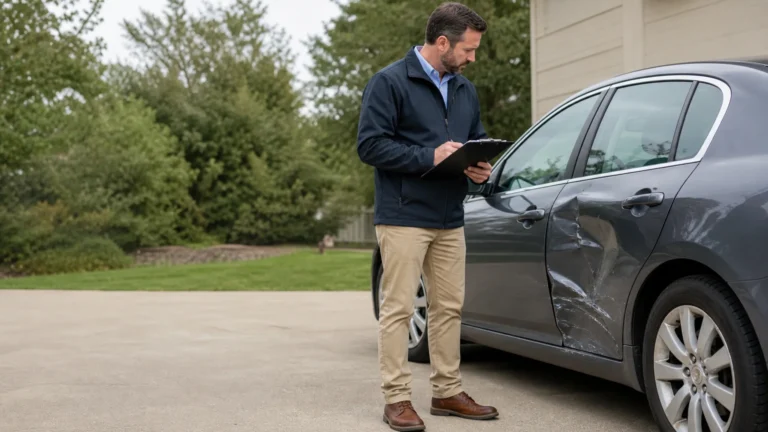
Kentucky drivers may pursue a repaired vehicle’s leftover market loss from the at-fault driver as part of a.
FMCSA Revoked ELDs: Fleet Compliance and Enforcement Deadlines
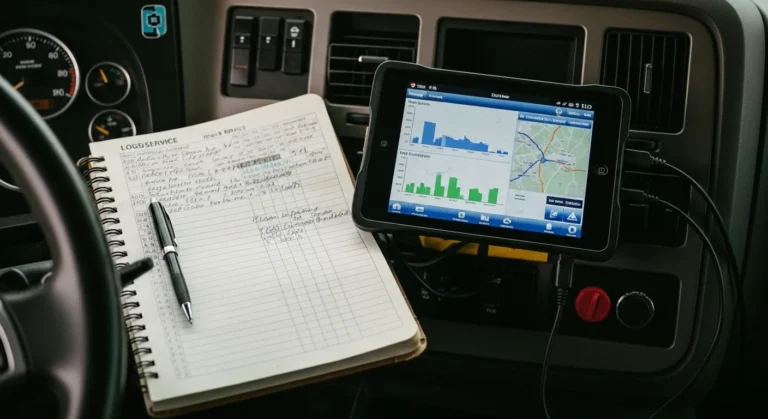
FMCSA removed five electronic logging devices from the registered list on August 6, 2026, and set an October.

FMCSA English Proficiency Rule and OOS Enforcement
FMCSA English Proficiency Rule Sam Aguiar Injury Lawyers August 11, 2026 7 minute read On This Page.