

Road Rage Accidents and Insurance
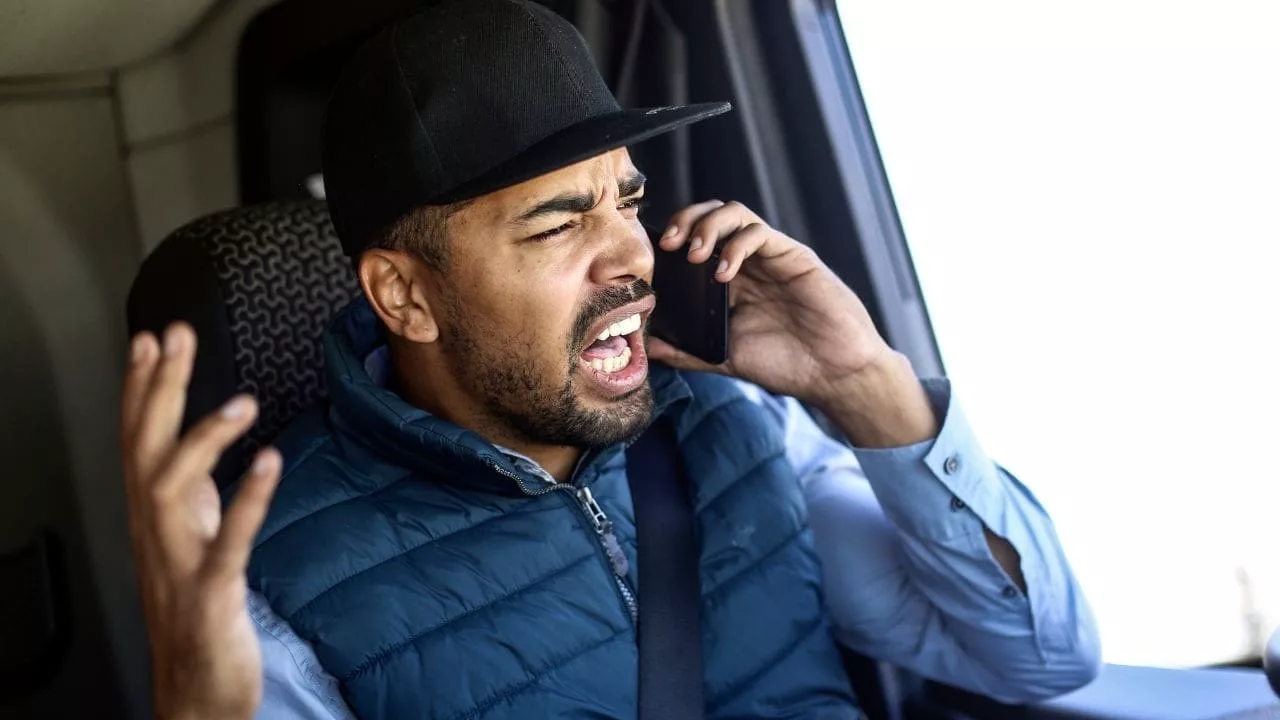
Road rage and aggressive driving create serious crash risks, and a Kentucky road rage claim depends on the specific conduct, injuries, evidence, and available insurance. In a 2014 AAA Foundation survey, 78 percent of U.S. drivers reported at least one aggressive driving behavior during the preceding year. NHTSA explains the dangers of speeding, including reduced vehicle control and longer stopping distances.
Road Rage and Aggressive Driving Differences
Aggressive driving and road rage are separate legal categories, and the category affects which damages are available:
- Aggressive driving: conduct such as speeding, following too closely, or unsafe lane changes may support a negligence claim when a breached duty caused injury. Liability and damages still require evidence in the particular case.
- Road rage: deliberate ramming, threats, or other intentional hostile conduct raises different questions from ordinary carelessness. Depending on the evidence, it may support intentional-tort or punitive damages claims and may create insurance coverage disputes.
Punitive Damages in Kentucky Road Rage Cases
Punitive damages may be available when clear and convincing evidence establishes gross negligence involving a wanton or reckless disregard for the safety of others. They do not follow automatically from an allegation of aggressive conduct. A federal court decision applying Kentucky law explains the difference between ordinary and gross negligence. Punitive damages are separate from compensatory damages, such as medical expenses and lost income, and the Kentucky standard is covered in more depth in Kentucky punitive damages.
Evidence in Road Rage Cases
Dashcam footage, nearby video, witness accounts, scene photographs, and vehicle damage establish the sequence of events. These records can show conduct that separates an unsafe maneuver from a deliberate collision and test conflicting accounts of what happened.
Road Rage Conduct Under Kentucky Law
KRS 189.290 requires careful operation with regard for the safety of others and prohibits operating a vehicle in a reckless or negligent manner that endangers persons or property. Conduct to investigate after an aggressive-driving crash includes:
- Excessive speeding for traffic conditions
- Tailgating, which KRS 189.340 addresses as following more closely than is prudent
- Weaving through traffic at dangerous speeds
- Brake-checking, a sudden stop that forces the following vehicle to brake hard
- Deliberately cutting off another vehicle to cause a collision
- Using the vehicle to ram or strike another vehicle intentionally
- Chasing another vehicle on a public road
A criminal charge is an allegation and does not establish civil liability. A plea or conviction may affect the evidence, depending on the proceeding and applicable rules, and the civil case must still establish the relevant conduct, causation, and damages.
Insurance Coverage Issues in Road Rage Cases
Intentional conduct can create a coverage dispute. An insurer may rely on an intentional-act exclusion, and whether that exclusion applies depends on the policy language, the actual conduct, and the governing insurance law.
Uninsured or underinsured motorist coverage should also be reviewed. A liability insurer’s denial does not automatically establish coverage under another policy. The policy definitions, exclusions, reason for denial, and facts of the incident all bear on the answer, and the label road rage does not settle coverage by itself.
Safety During a Road Rage Incident
Road rage incidents can escalate to physical violence, so confronting the other driver adds risk. A driver who is being followed or feels threatened is safer driving to a police station, fire station, or other public location and calling 911 than stopping. The other vehicle’s description and license plate can be recorded once it is safe to do so.
Steps After a Road Rage Crash
The record built in the hours after a road rage crash shapes both the liability claim and the coverage dispute:
- Call 911 and report both the crash and the aggressive behavior, and ask the responding officer to note the road rage conduct in the crash report.
- Photograph the vehicles, the damage, the road, and anything that documents the crash sequence.
- Collect witness information, especially from drivers who saw the aggressive behavior or the crash.
- Download and save dashcam footage before the camera overwrites it.
- Avoid engaging with the other driver, including taunts, gestures, or confrontations after the crash.
- Get a medical evaluation the same day, because crash injuries often appear hours later.
- Speak with a lawyer before giving a statement to the other driver’s insurer, because road rage cases carry coverage complications.
Related topics include distracted driving crash claims and Louisville’s most dangerous roads.
Ready to Take Action on Your Injury Claim?
After a serious injury, medical bills pile up while the insurance company looks for ways to pay you less. Most law firms take their cut first and leave you with whatever is left. Sam Aguiar Injury Lawyers does things differently. With our exclusive Bigger Share Guarantee®, you always get more. Every client gets a dedicated three-person team: an attorney, a case manager, and a legal assistant. We never raise our fee rate if we have to go to court, and you pay $0 Out-Of-Pocket Forever.
Frequently Asked Questions
1Can I get punitive damages if I was hit by a road rage driver?+
2What if the other driver’s insurance company denies the road rage claim?+
3Does a criminal charge against the road rage driver affect my civil case?+
4What if I can’t prove the crash was intentional?+
Latest Articles
Kentucky Diminished Value Claims
Kentucky drivers may pursue a repaired vehicle’s leftover market loss from the at-fault driver as part of a.
FMCSA Revoked ELDs: Fleet Compliance and Enforcement Deadlines
FMCSA removed five electronic logging devices from the registered list on August 6, 2026, and set an October.
FMCSA English Proficiency Rule and OOS Enforcement
FMCSA English Proficiency Rule Sam Aguiar Injury Lawyers August 11, 2026 7 minute read On This Page.