

Truck Crash Evidence
Trucking Accident Evidence
Key Takeaways
- Federal hours-of-service rules require motor carriers to retain records of duty status and supporting documents for at least six months.
- Federal mobile-device rules prohibit commercial motor vehicle drivers from using a hand-held mobile telephone while driving, and phone records can be relevant when the cause of a crash is disputed.
- The FMCSA Safety Measurement System provides public carrier safety data, including roadside inspection and crash information, for a broader evidence review.
Record Retention Rules
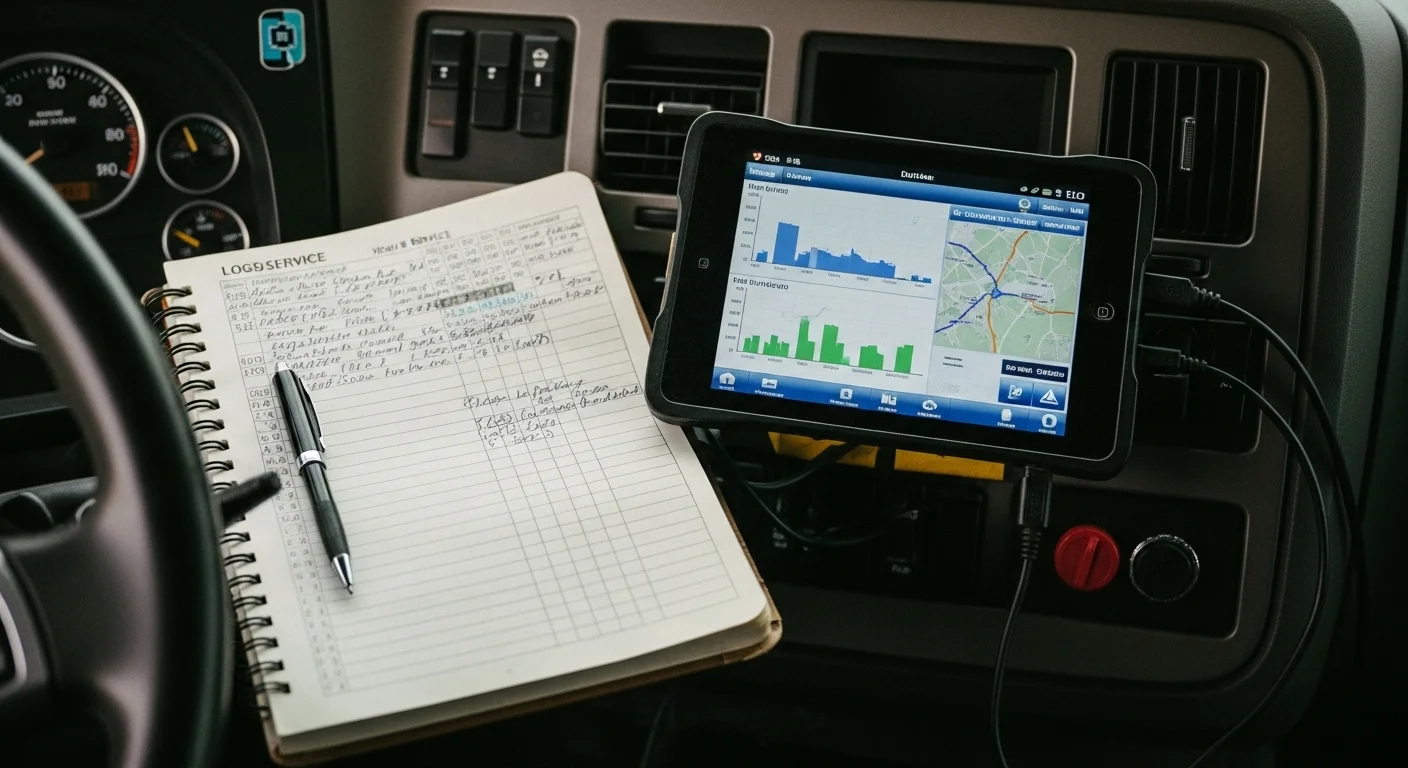
Federal hours-of-service rules require motor carriers to retain records of duty status and supporting documents for at least six months. Other truck accident records, including vehicle data, inspection files, maintenance records, and carrier safety information, are governed by different requirements or by system settings. Because some of these records are subject to limited retention periods, the records relevant to a specific crash are best identified early, and which records apply depends on the facts of the truck accident.
Trucking Evidence Categories
A truck accident case can draw on eight categories of records.
- 1
Black Box Data
Black box data is part of a broader review of vehicle operation records after a crash.
- 2
Hours of Service Records
Records of duty status document duty status and driving time under the federal hours-of-service rules.
- 3
Camera Footage
In-cab, forward-facing, roadway, and nearby third-party video can show the circumstances of a crash.
- 4
Driver Phone Records
Federal mobile-device rules prohibit commercial motor vehicle drivers from using a hand-held mobile telephone while driving, and bar motor carriers from allowing or requiring it. Phone records become relevant when the cause of a crash is disputed.
- 5
Vehicle Maintenance Records
Federal inspection rules govern driver vehicle inspection reports. Maintenance and inspection records provide context about the vehicle involved in a crash.
- 6
Driver Qualification Files
Federal driver qualification rules identify the records motor carriers must maintain for their drivers.
- 7
Cargo Securement Records
Load documentation, securement records, and inspection information become relevant when cargo movement is part of the crash evidence.
- 8
Carrier Safety Records
The FMCSA Safety Measurement System provides public carrier safety data, including roadside inspection and crash information.
Need Your Truck Crash Records Reviewed?
Hours-of-service records must be kept for at least six months, driver qualification files and inspection reports follow their own rules, and camera footage can be overwritten, so the first step after a truck crash is knowing which records exist for your case. A free case review with Sam Aguiar Injury Lawyers starts there.
Every case is backed by the Bigger Share Guarantee®. Clients always walk away with more money than the firm after medical bills, liens, and case expenses are paid. If the client’s share would ever be less than the legal fee, the firm cuts its fee. Dedicated three-person team: a top-rated attorney, an experienced case manager, and a skilled legal assistant. Call 502-888-8888 to have your truck crash records reviewed.
Why Clients Choose Sam Aguiar
Ready to Take Action on Your Case?
After a serious injury, medical bills pile up while the insurance company looks for ways to pay you less. Most law firms take their cut first and leave you with whatever is left. Sam Aguiar Injury Lawyers does things differently. With our exclusive Bigger Share Guarantee®, you always get more. Every client gets a dedicated three-person team: an attorney, a case manager, and a legal assistant. We never raise our fee rate if we have to go to court, and you pay $0 Out-Of-Pocket Forever.
Frequently Asked Questions
1What is a black box in a semi-truck and what data does it hold?+
A semi-truck’s black box is its electronic control or event data system. The information it stores depends on the vehicle and device, and that vehicle-operation data is reviewed alongside physical evidence, maintenance files, and other records.
2How long does a trucking company have to keep driver records?+
Federal rules set different retention periods by record type. Hours-of-service records and supporting documents must be retained for at least six months, while driver qualification files and inspection reports fall under their own separate rules.
3What happens if trucking evidence is missing?+
The effect of missing evidence depends on the specific record, the facts of the case, and the applicable law, so identifying what records should exist is an early step in a trucking case.
4Can carrier safety data be relevant to a truck accident case?+
Yes. The FMCSA Safety Measurement System provides public carrier safety data, including roadside inspection and crash information. Whether a particular record applies depends on the evidence and legal issues in the case.
5What camera footage can be used in a truck accident case?+
In-cab, forward-facing, roadway, and nearby third-party video can all show the circumstances of a crash, depending on what was recorded and preserved before it was overwritten.