

Black Box Evidence
Truck Accident Black Box Data?
 ★★★★★
Over 1,000 Five-Star Reviews
•
Available 24/7. $0 Out-Of-Pocket Forever.
Black Box Data in Truck Crash Cases
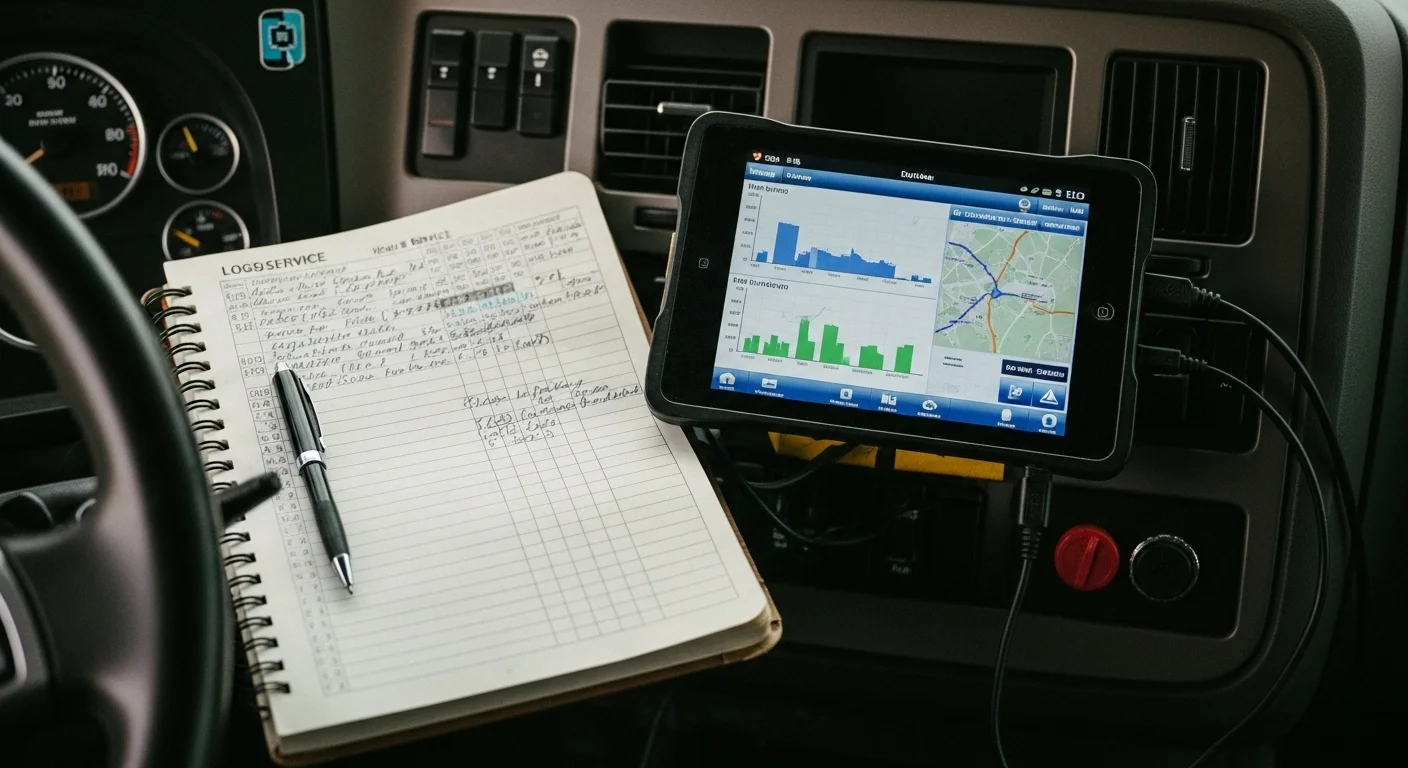
Most modern commercial trucks carry three data recording systems, the Engine Control Module, the Event Data Recorder, and the Electronic Logging Device, that together record what the truck and driver were doing before, during, and after a crash. In trucking evidence cases, this data is often the most decisive single piece of evidence: more objective than witness testimony or police reports, harder to manipulate than paper logs, and precise to the seconds before impact. The page on FMS data in truck accident investigations covers how fleet management system data supports the same investigations.
Once the truck returns to service, some of this data is overwritten. Under 49 CFR § 395.8, carriers must retain electronic logging device records for only six months, so preservation must begin the same day as the crash.
Truck Data Records to Demand
A claim uses each onboard system for a different purpose, and the preservation demand has to name every one of them by name. The technical differences between the systems are laid out in engine control module, electronic logging device and event data recorder compared.
- 1
Engine Control Module Data
The engine control module download is the record of what the truck was doing: speed, throttle, brake switch status and stored hard-brake or fault events, depending on the engine. In a claim it answers the speed and braking defenses. The demand should identify the engine make, model and VIN and call for the full download, including stored event and fault records, before anyone clears codes, services the engine or puts the truck back on the road.
- 2
Event Data
Event data covers the seconds around a hard brake or sudden deceleration. On some trucks it sits inside the engine control module, and on others in a separate module or safety system, so the demand should name event data on its own line and ask which module holds it. That keeps a carrier from producing one download and calling it everything.
- 3
Electronic Logging Device Production
The electronic logging device shows how long the driver had been on duty. In a claim it carries the hours-of-service and fatigue proof, and its edit history shows whether anyone changed the log after the crash. The full production a carrier owes is set out below, and it reaches well past the summary log most carriers hand over first.
- 4
Telematics, Cameras and Vendor Accounts
Fleet telematics and camera footage often sit on a vendor’s servers rather than on the truck. The demand goes to the vendor as well as the carrier, and it asks for the raw files with their metadata, not a clip someone at the carrier selected.
Spoliation and Evidence Preservation
Spoliation is the destruction or alteration of evidence that a party knew, or should have known, would be relevant to litigation. It is one of the most common and most serious issues in trucking cases.
When a truck returns to service after a crash, the engine control module continues to record new data. Depending on the system’s storage capacity, that new data can overwrite older records, including the crash data. A carrier that allows records to be deleted or overwritten before litigation is filed commits spoliation, and it can face serious court sanctions.
Court Remedies for Destroyed Evidence
In federal court, Federal Rule of Civil Procedure 37(e) governs lost electronically stored information such as engine control module, event data recorder, and electronic logging device data. When a party failed to take reasonable steps to preserve it and it cannot be restored, the court can order measures to cure the prejudice. Only on finding that the party intended to deprive the other side of the information can the court presume the information was unfavorable, instruct the jury to presume so, or enter a default judgment.
Black Box Evidence Preservation Steps
Black box evidence is secured through five preservation steps.
- 1
Preservation Demands
A formal preservation letter sent early in a case, by certified mail and email, creates a documented duty to preserve that the carrier cannot later say it did not know about. The demand goes to the motor carrier, its insurer, the broker, any black-box vendor, and any maintenance entities, and it covers the engine control module, event data recorder, electronic logging device, dash camera system, fleet management system data, driver qualification file, and all relevant corporate records.
- 2
Engine Control Module and Event Data Recorder Download
The demand calls for a complete download of the engine control module and event data recorder data by a qualified professional before the truck is repaired, returned to service, or otherwise altered. It specifies the make, model, and VIN so there is no ambiguity about which vehicle is covered.
- 3
Electronic Logging Device and Hours-of-Service Records
A subpoena for the complete electronic logging device records covers the 7 days preceding the crash, including the day of the crash. Records across those days can show whether a driver was accumulating hours in a way that increased fatigue risk, and hours-of-service patterns across multiple days are often more telling than a single day’s record. The page on hours-of-service violations covers what those patterns show.
- 4
Court Order If Needed
When a carrier fails to respond to preservation demands, a motion for a court order can compel production and preservation. Delay by the carrier after receiving a preservation letter strengthens the spoliation argument.
- 5
Qualified Professional Download and Analysis
Engine control module and event data recorder data must be downloaded with the correct proprietary tools for the specific truck’s make, model, and year, and interpreted by a qualified accident reconstruction professional who understands commercial vehicle dynamics. Sam Aguiar Injury Lawyers works with experienced reconstruction professionals who testify in Kentucky and federal courts regularly.
A motor carrier’s defense team can download engine control module data on the day of the crash and know what that data says. The injured person needs access to the same information, interpreted by professionals who work for them.
Contents of a Full Electronic Logging Device Production
A full electronic logging device production in a truck crash lawsuit is the complete dataset, which reaches past the summary logs a carrier hands over and includes six categories of records.
- Original, unedited Record of Duty Status (RODS) data for the 30 days before the crash, in its original form before any edits.
- The full edit history: every change made to every record, with timestamps and the user ID of whoever made it.
- Unassigned driving time records: all driving time the system logged with no driver signed in.
- Diagnostic and malfunction event logs, including power compliance and positioning malfunctions.
- The active driver list: every account assigned to the subject vehicle in the 30 days before the crash.
- Supporting documents under 49 CFR § 395.11, such as fuel receipts, toll records, bills of lading, weigh tickets, and payroll records. Cross-referencing these against the electronic logging device data exposes gaps and contradictions.
Electronic logging device records can be overwritten, deleted during routine maintenance, or lost in a server migration.
Electronic Logging Device Falsification Methods
Carriers and drivers falsify electronic logging device records through six documented methods.
- 1
Ghost Driver or Fictitious Co-Driver Accounts
The carrier creates fake or former-driver accounts in the electronic logging device system. When a driver hits an hours-of-service limit, the carrier logs him in under the ghost account to give him a fresh driving window, and the real driver’s records show no violation.
- 2
Unassigned Driving Time Manipulation
An electronic logging device must treat a truck as in motion at a speed threshold no higher than 5 miles per hour under the FMCSA electronic logging device technical specifications, and it records driving with no driver logged in under an “Unidentified Driver” account. Under 49 CFR § 395.32, the carrier must review those records and either annotate why the time is unassigned or assign it to the right driver. Logging out before driving past a limit makes the excess hours look unassigned instead of like a violation.
- 3
Carrier-Directed Back-Office Edits
An edit a driver makes to his own records shows up as an annotated edit an inspector can see. Edits that back-office personnel make on behalf of drivers have, in some cases, not appeared as edits at all. After investigating a fatigue crash involving Triton Logistics, which created fictitious driver accounts in its electronic logging device system, the NTSB recommended that Federal Motor Carrier Safety Administration (FMCSA) require electronic logging device providers to create and produce an audit log that includes the date, time, and editor of each change.
- 4
Personal Conveyance Abuse
Personal conveyance mode lets a driver move a truck without it counting as on-duty driving time, on the theory that the driver is using the vehicle for personal reasons. Logging off-duty miles as personal conveyance while running loads is a documented falsification method, and inspectors look for it when mileage patterns do not match routing records.
- 5
Fake Electronic Logging Device Malfunction Reports
Under 49 CFR § 395.34, a driver who reports an electronic logging device malfunction must reconstruct the record of duty status for the current 24-hour period and the previous 7 consecutive days on paper and keep manual logs until the device is fixed, and the carrier must act to correct the malfunction within 8 days of discovery. A false malfunction report moves a driver onto hand-written logs, which are easier to falsify than electronic logging device records.
- 6
Non-Certified or Revoked Electronic Logging Devices
FMCSA removes devices that fail the minimum requirements of Appendix A to Subpart B of Part 395 from its registered electronic logging device list and places them on a revoked devices list. A carrier still using a revoked device after FMCSA’s replacement deadline is treated as operating without an electronic logging device.
Punitive Damages for Carrier-Directed Falsification
Carrier-directed electronic logging device falsification supports a case for punitive damages, which can increase the value of a case. Evidence that a carrier directed its drivers to falsify electronic logging device records raises the legal stakes far beyond the underlying hours-of-service violation. Carrier-directed falsification is deliberate deception: it builds a fatigued workforce and puts those drivers on the highway, and that level of conscious indifference to safety is what supports the punitive damages claim.
Need Black Box Data From a Truck Crash?
A truck’s engine control module and event data recorder data can be overwritten once the truck returns to service, and carriers must keep electronic logging device records for only six months, so a preservation demand is what puts the carrier on notice to keep them. After an accident, the insurance company doesn’t waste time. Neither should you.
Sam Aguiar Injury Lawyers handles truck crash cases under the Bigger Share Guarantee®. Clients always walk away with more money than the firm after medical bills, liens, and case expenses are paid. If the client’s share would ever be less than the legal fee, the firm cuts its fee. $0 Out-Of-Pocket Forever. Get a free case review of the black box evidence in your case.
Key Takeaways
Can Your Lawyer Pull the Truck’s Black Box Data?
A truck’s engine control module and electronic logging device can show speed, braking and driver hours in the seconds and days before impact, but only if someone demands a full production before the carrier overwrites it. Sam Aguiar Injury Lawyers goes after that data through its dedicated trucking team and compares the download against the driver’s logs to catch falsified entries. Our fee never goes up if your case goes to trial. Call today for a free case review.
Frequently Asked Questions
1Can I get the truck’s black box data myself?+
Usually not. The truck and its data belong to the carrier, and a carrier can refuse an informal request. A formal preservation demand puts the carrier on notice, and once a lawsuit is filed, discovery requests and court orders can compel the download and production.
2Who should receive a black box preservation demand?+
The motor carrier, its insurer, the broker, any black-box, electronic logging device or telematics vendor, and any shop that maintains or repairs the truck. Each one may hold a copy of the data or control the truck it sits on.
3What happens if a trucking company destroys or loses black box data?+
In federal court, Federal Rule of Civil Procedure 37(e) lets a judge order measures to cure the prejudice from lost electronic data. If the carrier intended to deprive the other side of the data, the court can presume it was unfavorable, instruct the jury to presume so, or enter a default judgment.
4Why does black box data need to be preserved quickly after a truck crash?+
A truck can return to service and keep operating after a crash, and depending on the system, continued operation can overwrite the data that recorded the moments before and during the crash.
5Can black box data show whether a truck driver was speeding or braking hard?+
Yes. Engine control module and event data recorder data can show vehicle speed, throttle position, and braking activity in the seconds before a crash, which is often central to determining what caused it.