

Chameleon Carriers in Trucking
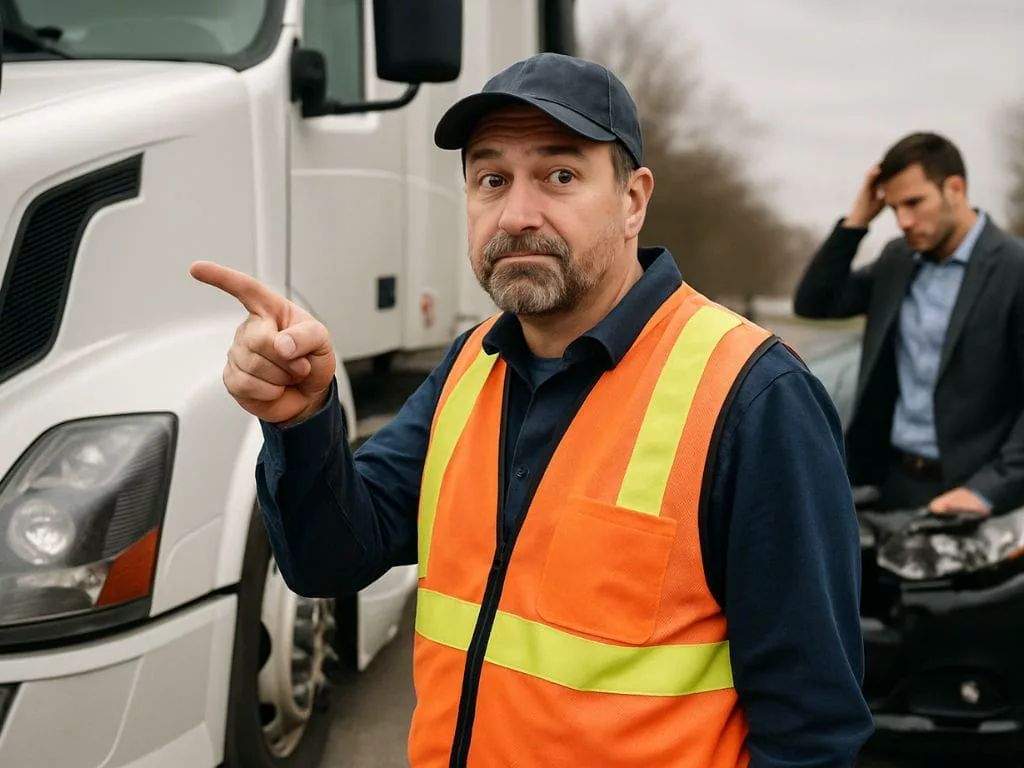
A chameleon carrier is a trucking company that ceases operations, often after accumulating safety violations, out-of-service orders, or civil judgments, and reopens under a new name, new USDOT number, or a related entity, while keeping the same trucks, drivers, ownership, and operational practices. The U.S. Government Accountability Office found that new applicants with chameleon attributes were about three times more likely to be involved in severe crashes, and GAO data tied these carriers to 217 deaths and approximately 3,500 injuries over a five-year review period. When a person is hurt by one of these companies, recovering full compensation requires cutting through layers of corporate structure.
What Is a Chameleon Carrier?
The term describes a company that blends into the field, looking legitimate from the outside while hiding a history of crashes, regulatory failures, and liability avoidance. A chameleon carrier typically:
- Accumulates multiple FMCSA violations, out-of-service orders, or a “Conditional” or “Unsatisfactory” safety rating
- Faces revocation of operating authority or a significant civil judgment
- Shuts down the existing entity, often through bankruptcy or simple dissolution
- Reopens operations under a new company name, new USDOT number, and sometimes related ownership
- Continues using the same trucks, drivers, and routes, and often the same insurance relationships
Identity Concealment Methods
Chameleon carriers actively obscure their history and connections, which makes them difficult to spot. Common methods include:
- Unbranded trucks: equipment with no carrier name or DOT placard, or with obscured identification
- Inaccurate FMCSA filings: virtual addresses, mail-forwarding services, or unrelated business addresses
- Related-entity ownership structures: the new carrier may be owned by a spouse, sibling, or business associate of the prior company’s owner
- Shell company asset transfers: trucks and equipment moved from the defunct carrier to the new entity for below-market consideration
- Insurance continuity: the same insurance broker and sometimes the same underlying policy structure
Legal Strategies Against Chameleon Carriers
Four legal tools reach the people and companies behind a rebranded carrier.
Piercing the Corporate Veil
Kentucky courts allow plaintiffs to pierce the corporate veil when the new company is simply an alter ego of the old one. Evidence supporting veil-piercing includes common ownership, the same trucks and employees transferred, shared bank accounts or dispatch systems, and creation of the new entity specifically to escape liability.
Successor Liability
Under successor liability doctrine, a new company that acquires the assets and operations of a predecessor may inherit its liabilities when the new entity explicitly assumed the old one’s obligations (express assumption), the transaction had all the hallmarks of a merger without formal procedures (de facto merger), the new entity is simply the old one under a new name (mere continuation), or the transfer was structured to defraud creditors, including crash victims (fraudulent transaction).
Negligent Selection Cases
If a broker or shipper hired the chameleon carrier despite accessible FMCSA safety data showing the prior entity’s history, those parties face direct liability for negligent selection. The firm’s page on negligent hiring in truck accident cases covers these cases.
Discovery Tools in Chameleon Carrier Cases
A systematic discovery package in these cases includes:
- FMCSA registration records and USDOT history for both old and new entities
- FOIA requests for inspection reports, enforcement history, and shutdown records
- Corporate formation documents and registered agent filings
- Equipment transfer records, titles, and bills of sale
- Insurance binders and agent correspondence for both carriers
- Bank records and financial statements showing asset movement
- Dispatch and payroll records showing continuity of personnel
Recoverable Damages and Limitations Periods
Once successor liability is established or the corporate veil is pierced, the available recovery includes all compensatory damages: medical expenses, lost wages and earning capacity, future medical costs, and pain and suffering. When the rebranding was done specifically to evade liability for known safety failures, Kentucky courts may allow punitive damages under KRS 411.186. Coverage may also be available through the MCS-90 endorsement.
Statutes of limitations in chameleon carrier cases may be tolled. If the carrier’s rebranding actively concealed the injured person’s case, the limitations period may not start running until that person discovered the connection between the new and old entities, or could have discovered it with ordinary diligence. The firm’s page on driver qualification violations covers a related line of carrier evidence.
Can a Trucking Company Hide Behind a New Name?
A carrier that shuts down and reopens under a new name still leaves a trail of shared owners, addresses, equipment, and drivers. Sam Aguiar Injury Lawyers puts a dedicated trucking team on that trail to connect the new company to the old one and to your crash. You pay $0 Out-Of-Pocket Forever while that work happens. If a truck from a rebranded carrier hurt you, a free case review is where your case starts.
Frequently Asked Questions
1What is a chameleon carrier?+
2How do I know if the trucking company that hit me is a chameleon carrier?+
3Can I still recover damages if the trucking company shut down?+
4Are punitive damages available in chameleon carrier cases?+
5What is successor liability in a trucking case?+
6How do statute of limitations concerns affect chameleon carrier cases?+
Latest Articles
Kentucky Diminished Value Claims
Kentucky drivers may pursue a repaired vehicle’s leftover market loss from the at-fault driver as part of a.

FMCSA Revoked ELDs: Fleet Compliance and Enforcement Deadlines
FMCSA removed five electronic logging devices from the registered list on August 6, 2026, and set an October.

FMCSA English Proficiency Rule and OOS Enforcement
FMCSA English Proficiency Rule Sam Aguiar Injury Lawyers August 11, 2026 7 minute read On This Page.