

Offered Cash at the Accident Scene?
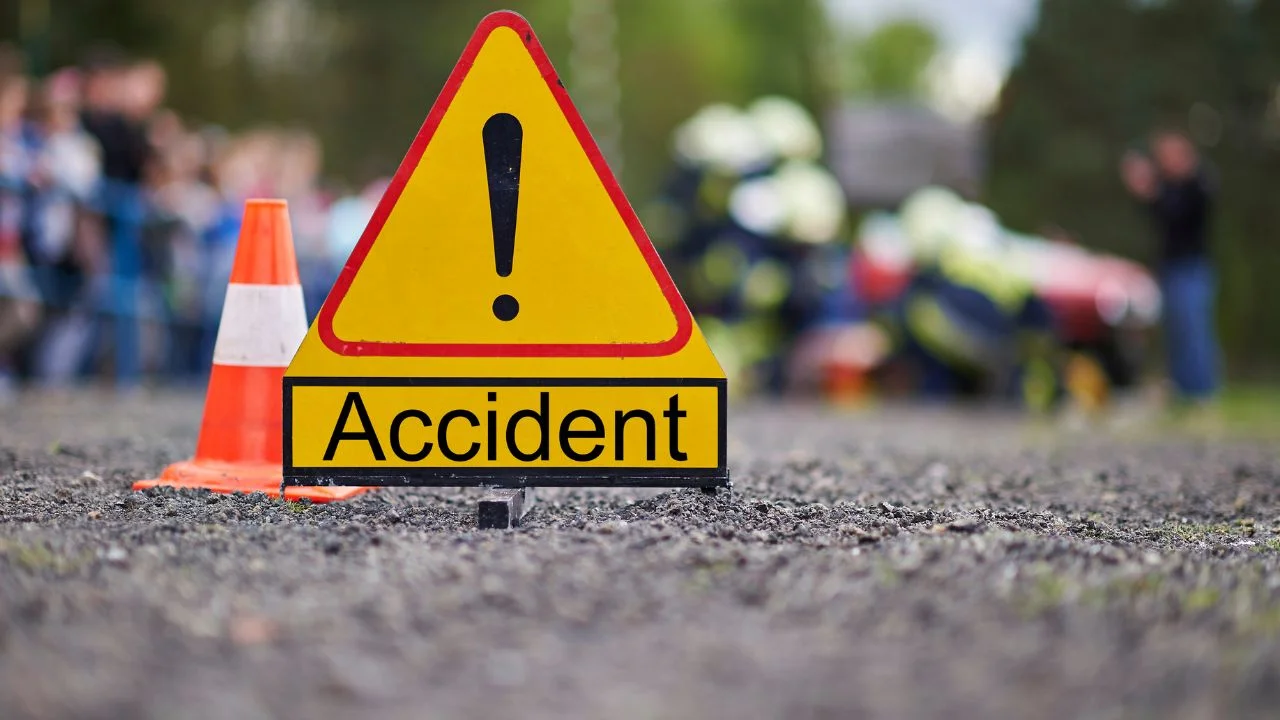
An at-fault driver who offers cash at a Louisville crash scene is usually protecting themselves. Accepting the money can leave the injured driver with no police report, no insurance claim, and an informal agreement the other driver can later describe as a full settlement. Injuries and vehicle damage often turn out to be far larger than they look in the first hour, and the cash does not grow with them.
Reasons Drivers Offer Cash at the Scene
An at-fault driver who offers cash immediately after a crash usually has one or more of these motives:
- The driver has no insurance, or the coverage has lapsed, and wants to avoid the consequences of being caught.
- The driver has a history of accidents or violations, and a case would trigger a rate increase or a policy cancellation.
- The driver has been drinking or using drugs and wants to keep police away.
- The driver is in a company vehicle and does not want the employer to learn about the crash.
- The driver knows the damage is worth far more than the offer and wants to close the matter cheaply.
Each of those motives serves the at-fault driver. The cash offer is designed to make that driver’s problem go away, and once the injured driver takes it, the problem shifts to the person who was hit. Saying “I’m okay” to the other driver can also be used later, and adrenaline masks pain in the first hours after a crash. An informal agreement made at the scene, even without paperwork, can be offered as evidence that the matter was settled voluntarily.
Dangers of Accepting Cash at an Accident Scene
Taking cash at the scene can cost the injured driver the police report, the chance to claim for injuries that surface later, the full cost of vehicle repairs, and the insurance claim itself.
No Police Report or Paper Trail
A police report is the foundation of an insurance or injury case. It identifies every driver, records the officer’s initial assessment of fault, documents the scene, and creates an official record of the crash. When the drivers keep things between themselves, there is no report, and if the other driver later changes the story, the injured driver has no official record to rely on. Insurers use the report to process claims, and without one, even the injured driver’s own personal injury protection benefits can be harder to access. The documents needed after a Kentucky car accident start with that report.
Delayed Injury Symptoms
Adrenaline and shock suppress pain signals at a crash scene. Whiplash, concussions, torn ligaments, herniated discs, and internal injuries often cause no acute pain in the first hour, and many people who feel fine at the scene wake up a day or more later unable to turn their neck. After an informal cash agreement, the injured driver has little footing to go back to the at-fault driver when those symptoms appear. The mechanisms of injury in car crashes explain why damage can take days or weeks to show.
Hidden Vehicle Damage
A dented bumper can hide frame damage, crumple zone damage, alignment problems, sensor damage, or structural problems that appear only when a technician takes the vehicle apart. A cash offer sized for cosmetic damage can leave the owner paying for repairs that cost several times as much.
Informal Settlement Risk
An agreement does not always need to be in writing to be enforced. An oral agreement combined with a payment can be argued as an accord and satisfaction, a doctrine that treats the payment as full settlement of the case. If the at-fault driver later cases the injured driver accepted money and agreed to drop any further case, that account can carry weight without a signed document. No witness usually hears the terms, and no record shows what the money was supposed to cover. Common myths about personal injury cases lead people to underestimate how exposed an informal agreement leaves them.
Lost Case Value
A serious crash case can include full medical costs, lost wages, pain and suffering, and future care, and a roadside cash payment covers a small part of that. Once the at-fault driver leaves, the chance to recover the rest can leave too. Kentucky’s no-fault law also gives the injured driver access to basic reparation benefits: under KRS 304.39-020, the maximum basic reparation benefit for one person in one accident is $10,000. A cash deal at the scene sidesteps the insurance process that pays those benefits.
Steps After a Cash Offer at the Scene
- Call 911 and wait for police. KRS 189.580 requires a driver in a crash that causes injury or death to stop, render aid, and notify police. Every crash benefits from a police report, and the dispatcher should hear if anyone appears injured.
- Exchange information and nothing else: the other driver’s name, phone number, driver’s license number, license plate, insurance company, and policy number. Fault, apologies, and payment stay out of the conversation.
- Document the scene with photographs of both vehicles from several angles, close-ups of the damage, road conditions, traffic signals, skid marks, and visible injuries, plus names and numbers for any witnesses.
- Get medical attention promptly, even without pain. Medical records link the crash to the injuries, and a gap in treatment gives insurers an opening.
- Hold off on recorded statements. Both the injured driver’s insurer and the other driver’s insurer want a recorded statement quickly, and what is said in it gets locked in.
Cases After Accepting Cash
A person who took cash at the scene but signed nothing, received no written release, and made no written agreement may still be able to pursue a case, especially when the injuries are significant and the medical bills exceed the cash. The questions that decide it are:
- Whether the person signed any document, release, or statement.
- Whether the amount received was grossly inadequate for the actual harm.
- Whether the at-fault driver misrepresented the scope of the agreement.
- How quickly the person acted after realizing the cash was not enough.
An uninsured driver offering cash is a warning sign in itself. Uninsured motorist coverage on the injured driver’s own policy can pay damages when the at-fault driver has no insurance.
Took Cash From the Other Driver Already?
Cash handed over at the scene rarely covers what a crash costs once the pain, the doctor visits, and the missed shifts start adding up. Sam Aguiar Injury Lawyers reviews what was said and signed at the scene and looks for insurance, including your own uninsured motorist coverage. You pay $0 Out-Of-Pocket Forever, and the firm has more than 1,000 five-star Google reviews. Arrange a free case review before anything else changes hands.
Frequently Asked Questions
1Is it illegal to accept cash at the scene of an accident in Kentucky?+
2Can a case still be filed after accepting cash at the scene?+
3What if the driver offering cash has no insurance?+
4Should police be called for a minor crash in Kentucky?+
Latest Articles
Kentucky Diminished Value Claims
Kentucky drivers may pursue a repaired vehicle’s leftover market loss from the at-fault driver as part of a.
FMCSA Revoked ELDs: Fleet Compliance and Enforcement Deadlines
FMCSA removed five electronic logging devices from the registered list on August 6, 2026, and set an October.
FMCSA English Proficiency Rule and OOS Enforcement
FMCSA English Proficiency Rule Sam Aguiar Injury Lawyers August 11, 2026 7 minute read On This Page.