

AI Investigation Tools in Personal Injury Cases
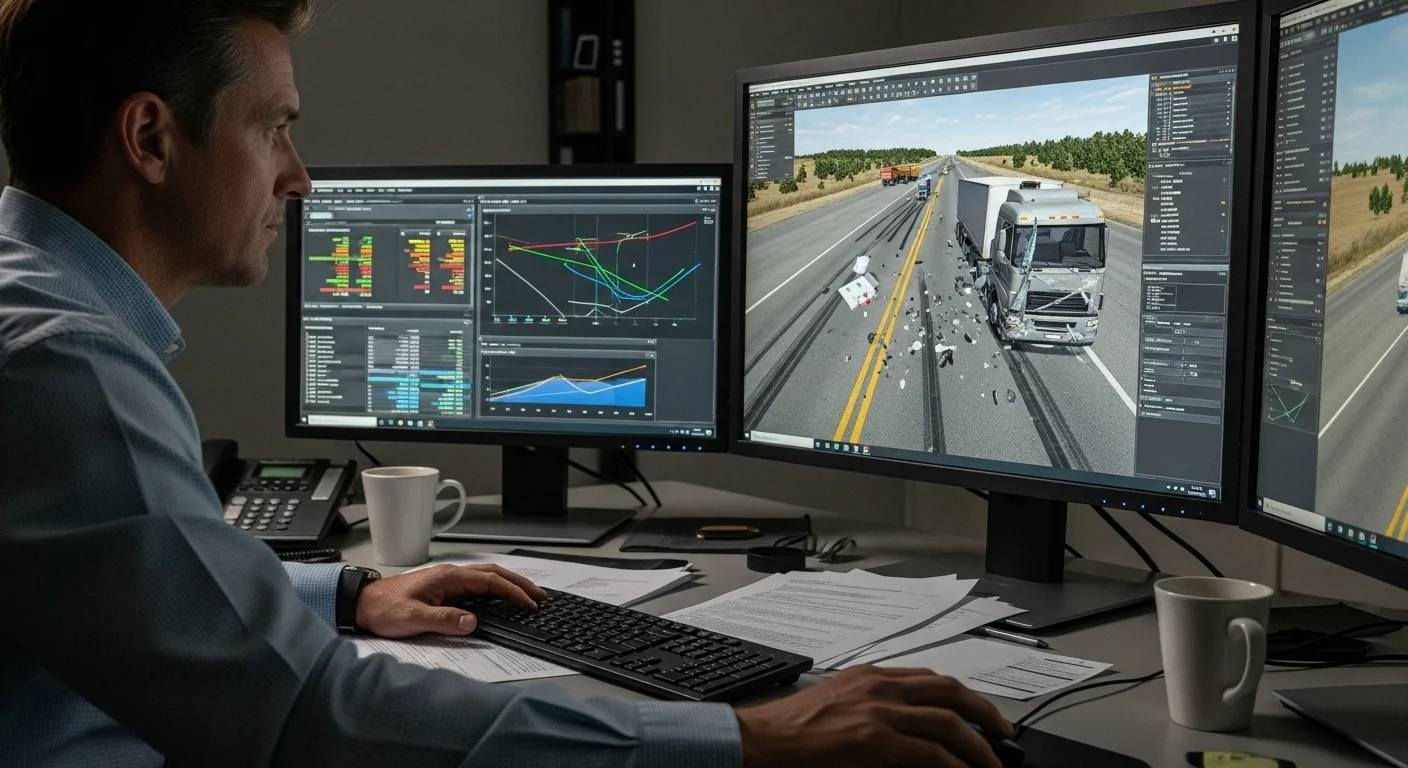
AI-assisted investigation tools collect and analyze crash evidence faster and more completely than manual review alone. Intake tools flag the core facts and deadlines, background research platforms pull federal safety and inspection records on commercial defendants, photogrammetry and LiDAR tools build 3D crash reconstructions, and document review tools organize lengthy medical records by date and diagnosis. At Sam Aguiar Injury Lawyers, an attorney reviews every output before it becomes part of a demand package, so the resulting claim file has fewer gaps in its documentation of liability and damages.
Insurer Investigation and Evidence Preservation
Insurance companies often begin investigating a claim as soon as it is filed, and sometimes sooner. Adjusters look for gaps in treatment, inconsistencies in the account of the crash, and any detail that could support minimizing the case, and their systems process that information quickly.
A prompt investigation on the claimant’s side keeps the insurer from controlling the account of the case. That work starts with preserving accident scene footage, vehicle data, and official reports before they are lost.
Intake and Case Qualification
Structured intake tools identify the core facts of a case from the first call, including the date, location, parties involved, injury type, and any applicable deadlines. That structure shows the legal team early which evidence needs to be secured and catches details an unstructured conversation might miss.
Background Research on Commercial Defendants
In commercial trucking cases, background research tools review a company’s safety violation history, federal inspection records, and driver qualification records. Much of that history is public through the FMCSA Company Snapshot and the FMCSA Safety Measurement System. A pattern of prior violations, such as hours-of-service issues or maintenance problems, can strengthen a case and can bear on a punitive damages claim. Amazon DSP driver negligence shows this kind of investigation applied to a delivery fleet.
3D Crash Reconstruction
In disputed-fault cases, photogrammetry and LiDAR-based tools create 3D models of an accident scene from photographs, measurements, and vehicle damage data. These models show where each vehicle was, the speeds involved, and what the physical evidence indicates about the sequence of events. Crash reconstructions built this way are useful to adjusters and, if a case goes to trial, to a jury.
Medical Record Organization and Analysis
Document processing tools organize lengthy medical records by date and diagnosis, identify when treatment for a specific injury began, and track the clinical documentation that connects a current condition to the accident. An insurer’s own review process reads the same records, and a disorganized medical summary leaves room for a case to be undervalued.
That organization is especially useful in car accident injury cases involving traumatic brain injuries and herniated discs, which often involve treatment histories spread across several providers over a long period.
Document Review in Complex Cases
Discovery in a commercial vehicle crash can produce a large volume of documents, including driver logs, maintenance records, and dispatch communications. Document review platforms process and categorize that material more quickly than a fully manual review and surface details that could otherwise be missed in a large document set.
Real-Time Deposition Transcripts
AI transcription tools create a real-time text record of deposition testimony. An attorney can flag a statement that contradicts an earlier account or a document while the deposition is still in progress, and in cases with several depositions, the transcripts make inconsistencies easier to track.
Demand Package Strength
Thorough investigation, whether AI-assisted or not, produces a claim file that is harder to dismiss. A demand package with complete medical documentation, clear liability evidence, and, where relevant, professional reconstruction evidence is generally in a stronger position during settlement discussions.
Technology in the Case File
Reconstruction software, medical record analysis and faster document review all feed one goal, a case file an insurer has a hard time dismissing. At Sam Aguiar Injury Lawyers, a dedicated three-person case team builds that file, and average resolution runs under 7 months. You pay $0 Out-Of-Pocket Forever while the work gets done. A free case review shows what that approach looks like for your crash.
Frequently Asked Questions
1When does the investigation of an injury case begin?+
2What is AI crash reconstruction and when is it used?+
3Which medical records are useful to preserve after an accident?+
4Does AI-assisted investigation work differently in truck accident cases?+
5Do AI tools replace attorney review?+
Latest Articles
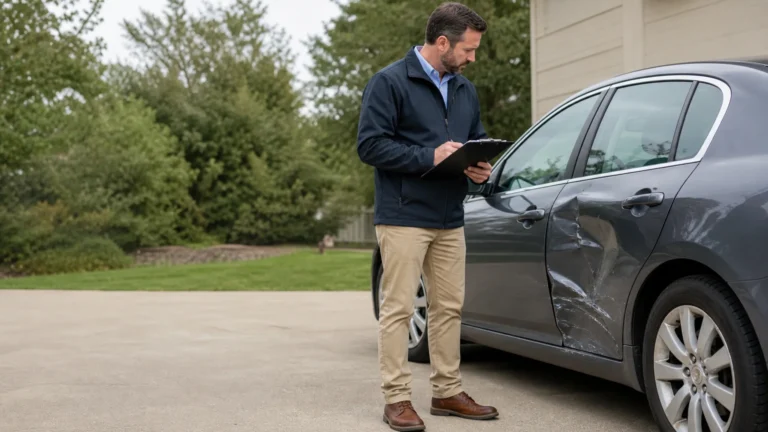
Kentucky Diminished Value Claims
Kentucky drivers may pursue a repaired vehicle’s leftover market loss from the at-fault driver as part of a.
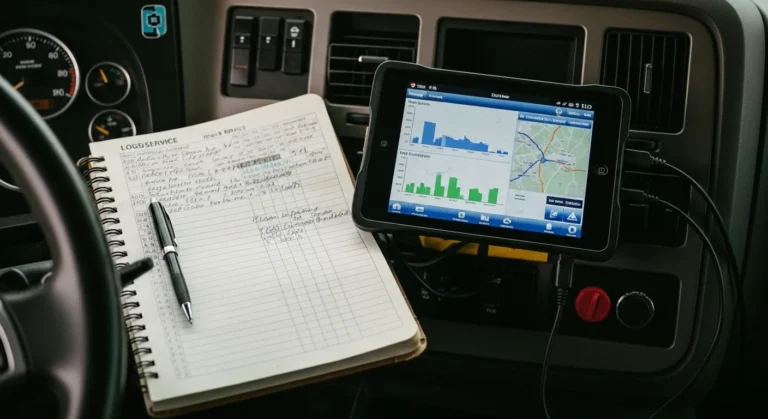
FMCSA Revoked ELDs: Fleet Compliance and Enforcement Deadlines
FMCSA removed five electronic logging devices from the registered list on August 6, 2026, and set an October.

FMCSA English Proficiency Rule and OOS Enforcement
FMCSA English Proficiency Rule Sam Aguiar Injury Lawyers August 11, 2026 7 minute read On This Page.