

Kentucky Negligent Security Lawyers
Injured by a Crime on Someone Else’s Property?
 ★★★★★
Over 1,000 Five-Star Reviews
•
Available 24/7. $0 Out-Of-Pocket Forever.
★★★★★
Over 1,000 Five-Star Reviews
•
Available 24/7. $0 Out-Of-Pocket Forever.
Negligent Security in Kentucky
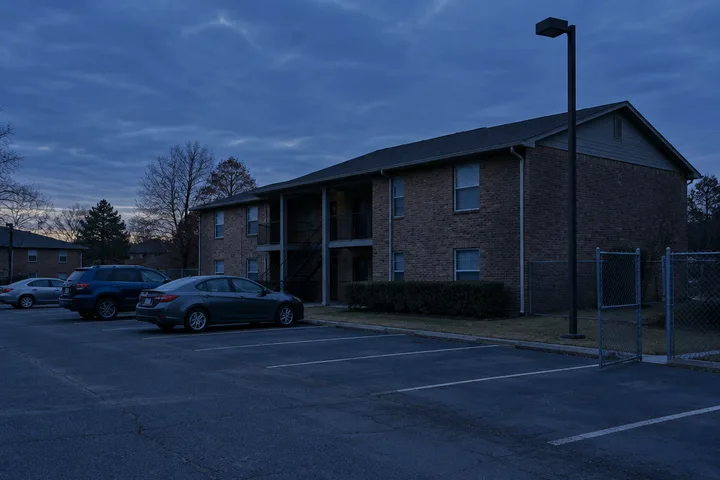
Negligent security is a premises case about a crime. A person is attacked on property that someone else owns or controls, and the case is that the owner knew enough about the danger to protect against it and did not. A Kentucky business owner’s duty to protect visitors from a third party’s crime depends on whether the crime was foreseeable at that property, and in Wal-Mart, Inc. v. Reeves the Kentucky Supreme Court held in 2023 that the duty does not expand to crimes that were not reasonably foreseeable.
Wal-Mart, Inc. v. Reeves began shortly after midnight on March 22, 2017, when two men tried to rob and attacked a customer sitting in a car outside a Walmart on Nicholasville Road in Lexington. The trial court granted Walmart summary judgment, the Court of Appeals reversed, and the Supreme Court reinstated the trial court’s judgment because the evidence did not show that this kind of attack was foreseeable at that location. Negligent security belongs to the wider category of premises liability, and Kentucky premises liability cases are decided by what the property owner knew, what the property owner should have known, and what the property owner did about it before someone got hurt.
Criminal Acts Versus Dangerous Conditions
An ordinary premises case is about a condition the owner knew or should have known about, such as a wet floor or a broken step. A negligent security case is about a person who was hurt by someone else’s crime, so the owner’s conduct is judged by what the owner knew about the risk of crime.
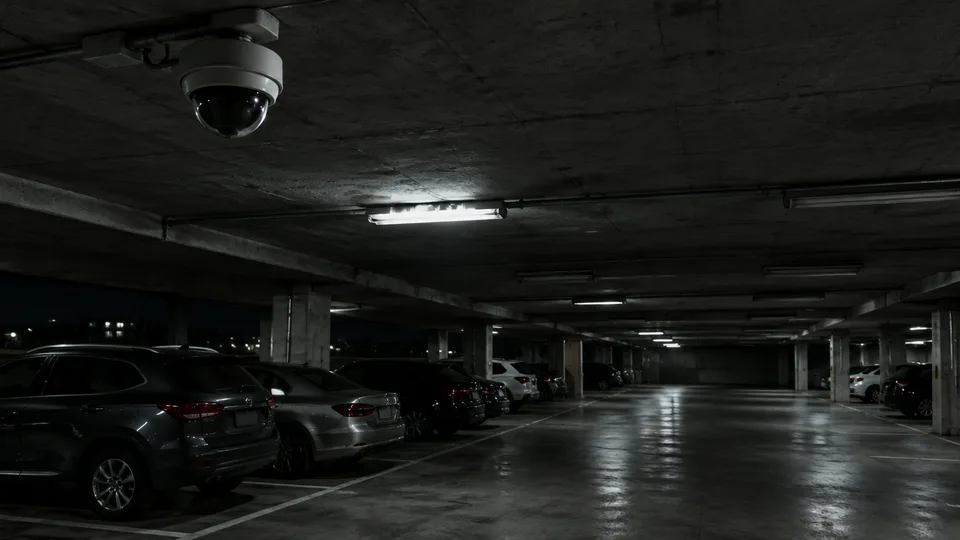
One property can produce both. A dark parking lot is a condition, and the history of attacks in that lot is what makes the darkness a security failure. The vehicle side of a lot follows the rules for any accident, where fault is assigned by right-of-way, driver behavior, and available evidence. The crime side is judged by what the owner knew about the risk of attack.
Duty and Foreseeability
Kentucky applies the ordinary negligence elements to the property owner, with foreseeability inside the duty. The Kentucky Court of Appeals set out the standard in Elstun v. Saddle Club, LLC, and its elements state the elements as a negligence case against a business owner is tried.
Negligent Security Elements
Foreseeability is specific to the property. The Supreme Court held in Reeves that the duty depends on what the owner knew about activities or conduct at that property, and that business owners do not owe a universal duty to protect every visitor against every third-party act.
Whether the owner breached the duty is ordinarily a question of fact for a jury. A court may decide it as a matter of law only when the risk was clearly unforeseeable and reasonable people could not differ. In Elstun, an unpublished 2023 opinion, the Court of Appeals applied Reeves to a bar in Fort Mitchell where a patron was punched by another patron minutes after that patron arrived. The court affirmed the judgment for the bar because the bar was neither loud nor crowded, the attacker had not been overserved, and nothing showed that any employee knew or should have known an assault was coming.
Records That Show Notice
Foreseeability is shown with records that existed before the attack. Incident reports and security logs show what the owner knew. Police calls to the address show whether the danger was a pattern or a single event. Work orders and repair requests show what the property was told about lighting, locks, gates, and cameras, and how long the repair took. The operator’s own risk assessments and insurance correspondence show what it concluded about the risk and what it did about it.
A property that recorded a danger and did nothing has documented its own notice. A property with no comparable record is the case that ends the way Reeves and Elstun ended. In Reeves, the prior incidents were not comparable to the attack or close enough in time, and the crime report did not reflect the store’s own premises.
Those records sit with different holders. The owner, the management company, and a security contractor each keep their own, and a camera system records over old footage on whatever schedule the property sets. Footage exists only until the property records over it, so how quickly someone asks decides whether it can be used.
Responsible Parties
Responsibility for a property is often divided. The owner, a management company, and a separate security contractor can each hold part of the duty, and the case names the parties whose conduct the records show.
When the attacker had been drinking, Kentucky’s dram shop law allows an injured person to pursue a case against a bar or licensed vendor that served alcohol to a visibly intoxicated patron who later caused harm. When the attack kills, the case becomes a Kentucky wrongful death case, and the same foreseeability questions apply to the property.
Key Takeaways
Hurt by a Crime on Unsafe Property? Get Every Dollar You Are Owed
After an attack on a property that should have been secured, insurance companies are about protecting their bottom line. We’re about protecting you. Sam Aguiar Injury Lawyers takes over your case so you can focus on getting better. Every client gets a dedicated three-person team: a top-rated attorney, an experienced case manager, and a skilled legal assistant. With our Bigger Share Guarantee®, you always get more, and you pay $0 out-of-pocket forever. Call today for a free case review.