

Reefer Truck Accidents
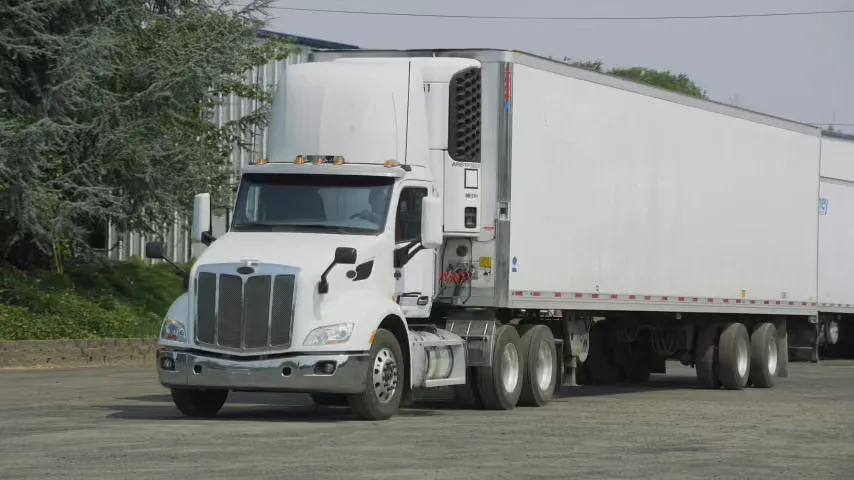
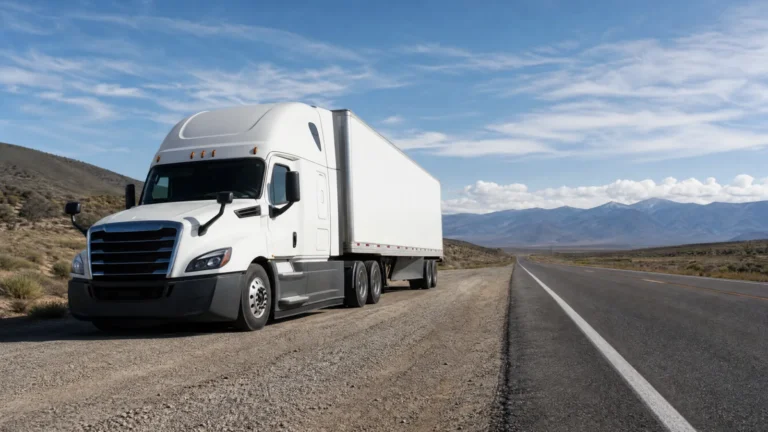
Reefer trucks, refrigerated commercial vehicles, carry temperature-sensitive cargo like food and pharmaceuticals across Kentucky’s freight corridors every day. They operate under the same FMCSA hours-of-service and maintenance regulations as other large trucks, plus additional rules under the FDA’s Food Safety Modernization Act (FSMA) sanitary transportation rule for perishable cargo. When a reefer truck crash injures someone on I-65, I-64, or I-71, the available evidence, including onboard temperature logs, refrigeration unit fault codes, and GPS telematics, is more detailed than in a standard semi-truck crash. Preserved quickly, that evidence builds a stronger case. Left unpreserved, some of it can disappear within days.
Reefer-Specific Crash Evidence
Reefer trucks carry the standard commercial truck evidence, including ELD data, ECM (black box) data, driver logs, and maintenance records, plus the data generated by the refrigeration unit itself. Temperature logs are timestamped records of the cargo hold’s environment throughout the trip. Reefer unit fault codes are automated alerts the refrigeration system generates when something fails mechanically.
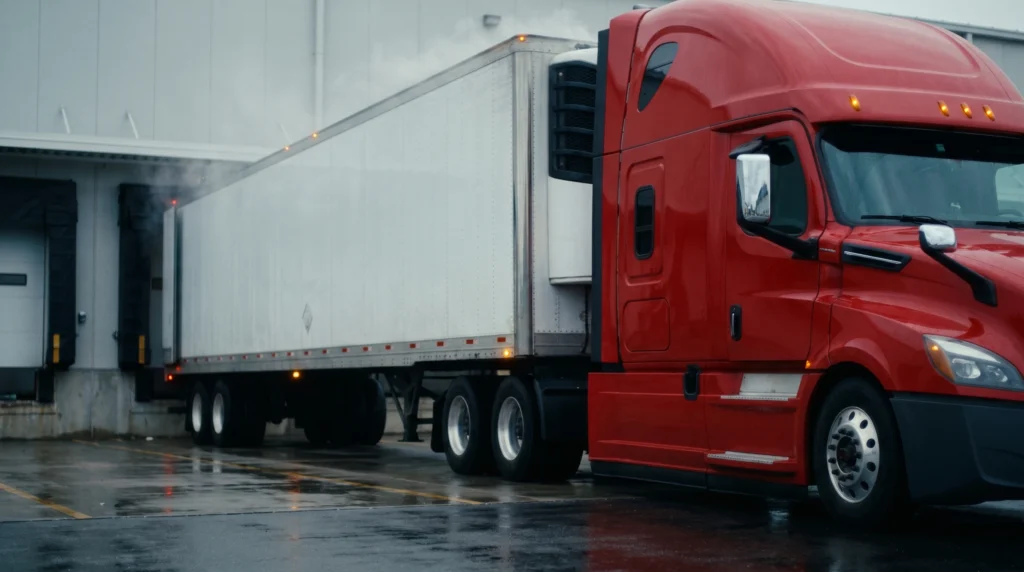
These records show whether the truck had a mechanical problem that the driver or carrier ignored, whether required maintenance was skipped, and whether the unit was operating abnormally in the hours before the crash. Pulled alongside the ECM and ELD records, they show what happened and who is responsible.
Common Causes of Reefer Truck Crashes in Kentucky
Reefer trailers are heavier and more complex than standard dry-van trailers, because the refrigeration unit adds weight and mechanical systems that require additional maintenance. Common crash causes include:
- Driver fatigue: hours-of-service violations are a leading factor in large truck crashes, and reefer drivers hauling refrigerated freight on tight delivery schedules face constant pressure to exceed safe driving limits.
- Mechanical failure: brake failures from overheating or inadequate maintenance, tire blowouts from overloaded trailers, and refrigeration unit electrical failures that can affect vehicle systems.
- Inadequate cargo securement: improperly secured perishable cargo that shifts during transit can destabilize the trailer and cause a rollover or jackknife.
- Distracted or impaired driving: including drug or alcohol use that FMCSA testing rules are designed to catch.
- Adverse weather: Kentucky’s variable weather on I-65, I-64, and I-71 lengthens braking distances, which an overloaded or poorly maintained reefer truck cannot handle safely.
Potentially Liable Parties
A reefer truck crash often involves more liable parties than people expect. Liability can extend to:
- The truck driver, for hours-of-service violations, distracted driving, impairment, or unsafe operation
- The motor carrier, for negligent hiring, inadequate supervision, failure to maintain the vehicle, or pressuring drivers to violate hours-of-service limits
- The cargo shipper, for improper loading, inadequate temperature settings, or failure to comply with the FDA sanitary transportation rules
- The freight broker, for negligently selecting a carrier with a poor safety record or ignoring red flags in the carrier’s FMCSA compliance history
- The refrigeration unit manufacturer, if a defect in the reefer unit contributed to the crash through mechanical failure
- The maintenance provider, if contracted work on the tractor, trailer, or refrigeration unit was performed negligently
Each party that goes unidentified is a source of recovery and insurance coverage left out of the case.
Reefer Data Retention
Refrigeration units can overwrite their own fault code history and temperature logs within days of a crash, and dashcam and telematics data is often deleted within 72 hours unless a legal preservation demand is in place. A spoliation letter covering temperature logs, refrigeration unit fault codes, GPS telematics, ELD records, ECM data, maintenance records, and carrier communications puts the carrier on notice. If the carrier destroys evidence after receiving that demand, courts can give the jury an adverse inference instruction against the company.
Records in a Reefer Crash Investigation
A reefer truck generates more data than a standard semi-truck, so the investigation covers more records. A truck crash investigation of a reefer typically seeks:
- ELD data showing actual driving hours against federal limits
- ECM data showing speed, braking, and throttle at impact
- Reefer temperature logs covering cargo hold conditions throughout the trip
- Refrigeration unit fault codes generated before and during the trip
- GPS and telematics data showing route, stops, speed, and location
- Dashcam footage from the truck cab and any nearby traffic or business cameras
- The driver qualification file, including CDL validity, driving history, drug test records, and medical certification
- Maintenance and inspection records for both the tractor and the refrigeration unit
- Broker-carrier agreements showing the broker’s role in selecting the carrier
- The carrier’s FMCSA safety record, including Safety Measurement System scores, prior violations, and prior crashes
Compensation After a Reefer Truck Crash
Kentucky does not cap compensatory damages in personal injury cases. In a serious reefer truck crash, recoverable compensation typically includes:
- Current and future medical expenses, including emergency care, surgery, hospitalization, rehabilitation, and ongoing treatment
- Lost wages and reduced earning capacity, covering income lost during recovery and any permanent reduction in earning ability
- Pain and suffering, including physical pain, emotional distress, anxiety, and loss of enjoyment of life
- Long-term care costs for catastrophic injuries requiring permanent support or home modifications
- Wrongful death damages for families who have lost someone in a fatal reefer crash
- Punitive damages when the carrier acted with gross negligence, such as knowingly sending out a driver who was over hours or a truck with known brake problems
Hurt in a Crash with a Refrigerated Truck?
Reefer trailers bring their own evidence, from temperature unit logs to load weights and shipper records, and several companies can share the blame for one crash. Sam Aguiar Injury Lawyers has a dedicated trucking team that knows how to go after those records. The Bigger Share Guarantee® means you walk away with more than the firm after bills, liens and case costs, or the firm cuts its fee. A free case review is the first step toward your case against the carrier.
Frequently Asked Questions
1What makes a reefer truck accident different from a regular semi-truck crash?+
2Can problems with the refrigeration unit cause a crash?+
3Can the freight broker be liable for a reefer crash?+
4Do temperature logs count as evidence in a personal injury case?+
Latest Articles
Kentucky Diminished Value Claims
Kentucky drivers may pursue a repaired vehicle’s leftover market loss from the at-fault driver as part of a.
FMCSA Revoked ELDs: Fleet Compliance and Enforcement Deadlines
FMCSA removed five electronic logging devices from the registered list on August 6, 2026, and set an October.
FMCSA English Proficiency Rule and OOS Enforcement
FMCSA English Proficiency Rule Sam Aguiar Injury Lawyers August 11, 2026 7 minute read On This Page.