

What to Do After a Louisville Highway Accident

A crash on I-64, I-264 (the Watterson Expressway), or I-265 (the Gene Snyder Freeway) in Louisville can support a case that reaches well past basic no-fault coverage. In 2024, those three interstates recorded 3,987 combined collisions, according to the Kentucky State Police Traffic Collision Facts report. The evidence that decides those cases starts to disappear within days of a highway crash. Sam Aguiar Injury Lawyers handles these cases through its Louisville car accident lawyers.
Louisville Interstate Crash Data
Louisville sits where three major interstate routes meet, which makes its highway system one of the busiest in Kentucky. I-64 runs east to west through Jefferson County and connects downtown Louisville to the rest of the state. I-264 loops around the city. I-265 circles the outer suburbs. Together, they carry tens of thousands of vehicles every day, and their collision counts reflect that volume.
The 2024 Kentucky State Police Traffic Collision Facts report shows the three corridors recorded a combined 3,987 crashes in a single year, roughly 11 collisions per day across I-64, I-264, and I-265. Jefferson County, where all three interstates converge, logs the highest total collision count of any county in Kentucky.
High speeds, merge zones, frequent lane changes, and heavy commercial truck traffic make interstate crashes more severe when they happen. Nationally, 40,901 people died in motor vehicle crashes in 2023, and speeding was a factor in 29% of those deaths, according to the Insurance Institute for Highway Safety.
Common Highway Crash Types on I-64, I-264, and I-265
Interstate collisions follow patterns driven by speed, traffic flow, and road design. The type of crash shapes how a case is investigated and valued.
Rear-End Collisions at Highway Speed
When traffic suddenly slows for construction, an earlier crash, or a merge backup, drivers behind may not have enough time to stop. At interstate speeds of 65 to 70 mph, a half-second of distraction can close 50 or more feet of following distance. Rear-end crashes at highway speed produce more severe whiplash, spinal compression, and traumatic brain injuries than the same crash at surface street speeds.
Multi-Vehicle Pileups
One collision on the interstate can trigger a chain reaction when following vehicles cannot stop in time. Pileups are common on I-64 during heavy fog or rain near the river valley, and at I-264’s high-traffic merge points. Assigning liability across multiple drivers and insurance policies depends on accident reconstruction and scene documentation.
Lane-Change and Merge Crashes
The stretch where I-64 connects to I-264, and where I-265 feeds onto other corridors, creates constant weaving. Drivers who cut across lanes to catch an exit, or misjudge space during a merge, cause sideswipe and T-bone collisions that can push vehicles into barriers or spin them into traffic.
Wrong-Way Crashes
Wrong-way entries onto Louisville interstates are a documented, life-threatening problem. In December 2025, Kentucky State Police Post 4 arrested a wrong-way driver on I-264 and I-265 who caused multiple crashes and faced charges including DUI and wanton endangerment. Wrong-way crashes are almost always head-on at high speed, among the deadliest collision types on any road.
Commercial Truck Collisions
I-64 and I-265 carry significant commercial truck traffic. A fully loaded semi weighing 80,000 pounds takes substantially longer to stop than a passenger vehicle and causes far greater damage on impact. FMCSA regulations govern truck driver hours, maintenance, and load limits, and a violation of those rules can extend liability beyond the driver to the trucking company. For commercial truck pileups on I-64 and I-265, the Louisville truck accident lawyer page covers the carrier and insurance layers.
Steps After a Louisville Interstate Crash
Evidence disappears quickly on an active interstate. Crash scenes are cleared to restore traffic, camera footage is overwritten, and physical evidence is removed for road safety. These steps protect both the injured person and the case.
- Move to safety if possible, then call 911. Under KRS 189.580, a driver involved in a crash that causes injury or death must stop, render reasonable aid, and notify police. On an interstate, leaving active traffic lanes first can prevent a second crash. A police report from Kentucky State Police or Louisville Metro Police is essential documentation for the case.
- Get medical attention, even without obvious symptoms. High-speed crash injuries, including traumatic brain injuries, internal bleeding, and spinal injuries, often take hours or days to show symptoms. Prompt treatment creates a medical record tied to the crash.
- Document the scene. Photographs of the vehicles, road conditions, skid marks, signage, and visible injuries matter, along with the names and contact information of other drivers and witnesses, the time, the weather, and the exact location, including the mile marker or exit.
- Report the crash to the insurer without giving a recorded statement. Kentucky’s no-fault law requires a driver’s own insurer to pay up to $10,000 in basic reparation benefits for medical bills and lost wages regardless of fault, under KRS 304.39-020. The crash should be reported promptly, with any recorded statement or release reviewed by an attorney first.
- Hold off on any settlement offer. Insurers often move fast after highway crashes with an offer designed to close the case before the full extent of the injuries is known. Under KRS 304.39-230, a motor vehicle injury case generally must be filed within two years of the crash or the last basic reparation benefit payment, whichever is later. Crashes in construction zones raise additional issues covered in road work and construction zone accidents.
Kentucky No-Fault Coverage and the Tort Threshold
Kentucky uses a modified no-fault system. After a crash, the injured person’s own personal injury protection coverage pays up to $10,000 for medical bills and lost wages, regardless of who caused the collision. Under KRS 304.39-060, once medical expenses exceed $1,000, or the injury includes a broken bone, permanent injury, or death, the injured person can pursue a full case against the at-fault driver for pain and suffering and all economic losses. Highway crashes routinely exceed this threshold given the speeds involved.
Recoverable Damages After a Highway Crash
Highway crashes carry higher injury severity than most surface-street collisions. When the injuries are serious, or another driver’s recklessness caused the crash, a complete recovery may include:
- Medical expenses, including emergency care, surgery, hospitalization, physical therapy, ongoing treatment, and future care.
- Lost wages and reduced earning capacity when injuries permanently limit the ability to work.
- Pain and suffering, including physical pain, emotional distress, and loss of enjoyment of life.
- Property damage, covering repair or replacement of the vehicle and damaged personal property.
- Out-of-pocket costs such as transportation to appointments, home care, and prescriptions.
- Wrongful death damages for surviving family members, including funeral expenses, loss of companionship, and lost financial support.
When the at-fault driver was intoxicated, driving recklessly, or violating a traffic law, Kentucky courts may also award punitive damages, which punish dangerous conduct in addition to compensating the victim. NHTSA data shows speeding remains a top contributor to fatal crash severity nationally, and drunk or reckless driving often compounds liability in Louisville highway cases.
Speeding and Crash Severity
Speeding was linked to nearly 12,000 deaths in 2023, 29% of all crash fatalities, according to the Insurance Institute for Highway Safety. The NHTSA 2023 Speeding Fact Sheet reports speeding as a contributing factor in 28% of fatal crashes and 13% of injury crashes that year. On Louisville’s interstates, injury severity and the at-fault driver’s accountability both track that speed difference.
Interstate Case Challenges
Interstate crash cases present problems that surface-street collisions rarely do.
Multiple Liable Parties
A pileup on I-64 might involve three drivers, a commercial trucking company, and possibly a government entity if road conditions or signage were defective. Each insurer will point to the others. Every liable party has to be identified before the limitations period runs.
Evidence Loss After Highway Crashes
Interstate crash scenes are cleared quickly to restore traffic flow, and traffic camera footage from the Kentucky Transportation Cabinet or Louisville Metro is often overwritten within days. Under KRS 189.635, crash reports must be filed within 10 days of investigation, but physical evidence rarely survives that long without a preservation request.
Severe Injuries and Settlement Pressure
Highway speeds mean more serious injuries, which gives insurers a larger financial incentive to dispute claims or minimize payouts. Initial offers after serious highway crashes are frequently a fraction of what a fully documented case is worth.
Hurt on a Louisville Interstate?
Crashes on I-64, I-264 and I-265 happen at speeds that cause serious injuries, and roadside camera footage does not last forever. Sam Aguiar Injury Lawyers has access to DOT/TRIMARC traffic camera archives reaching back about six months, which can fill gaps a crash report leaves. With $0 Out-Of-Pocket Forever, nothing is owed while the evidence is gathered. A free case review is your next step after a Louisville highway crash.
Frequently Asked Questions
1How long is there to file a claim after an I-64 or I-264 crash in Kentucky?+
2What happens when the other driver has no insurance after a Louisville highway crash?+
3Can compensation still be recovered by a driver partly at fault for the crash?+
4What changes when a commercial truck caused the crash on I-64 or I-265?+
5How does Kentucky no-fault coverage work after a highway crash?+
Latest Articles
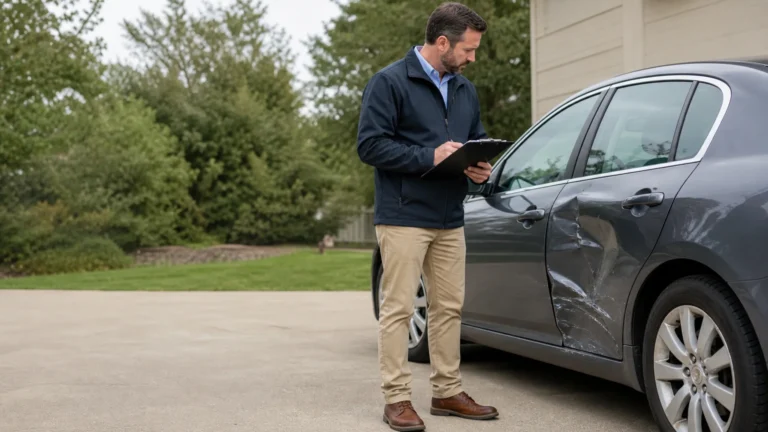
Kentucky Diminished Value Claims
Kentucky drivers may pursue a repaired vehicle’s leftover market loss from the at-fault driver as part of a.
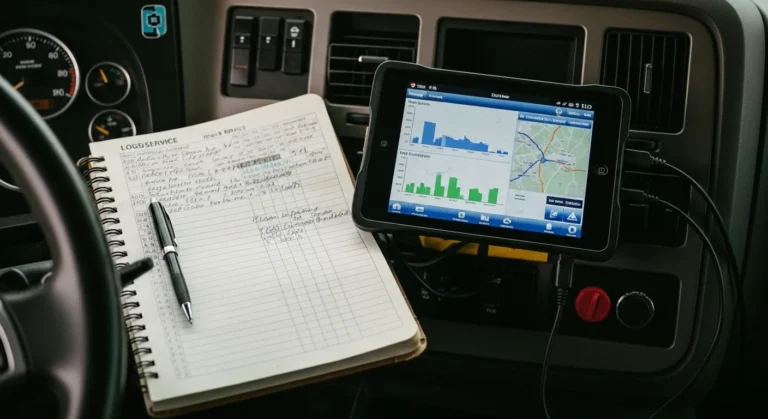
FMCSA Revoked ELDs: Fleet Compliance and Enforcement Deadlines
FMCSA removed five electronic logging devices from the registered list on August 6, 2026, and set an October.
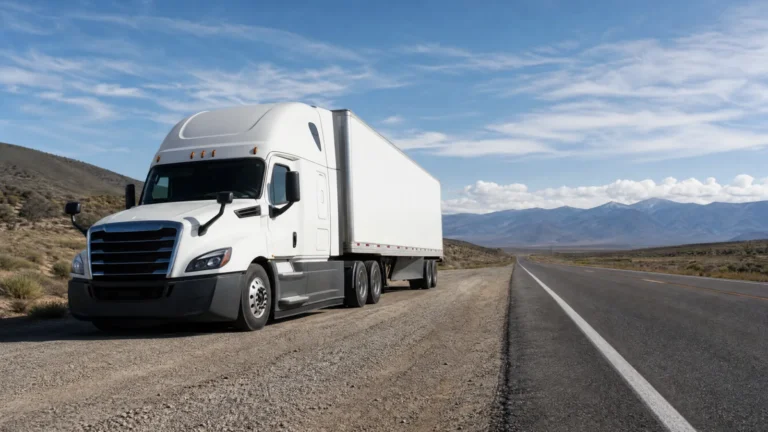
FMCSA English Proficiency Rule and OOS Enforcement
FMCSA English Proficiency Rule Sam Aguiar Injury Lawyers August 11, 2026 7 minute read On This Page.