

Trucking Company Tactics After an Accident
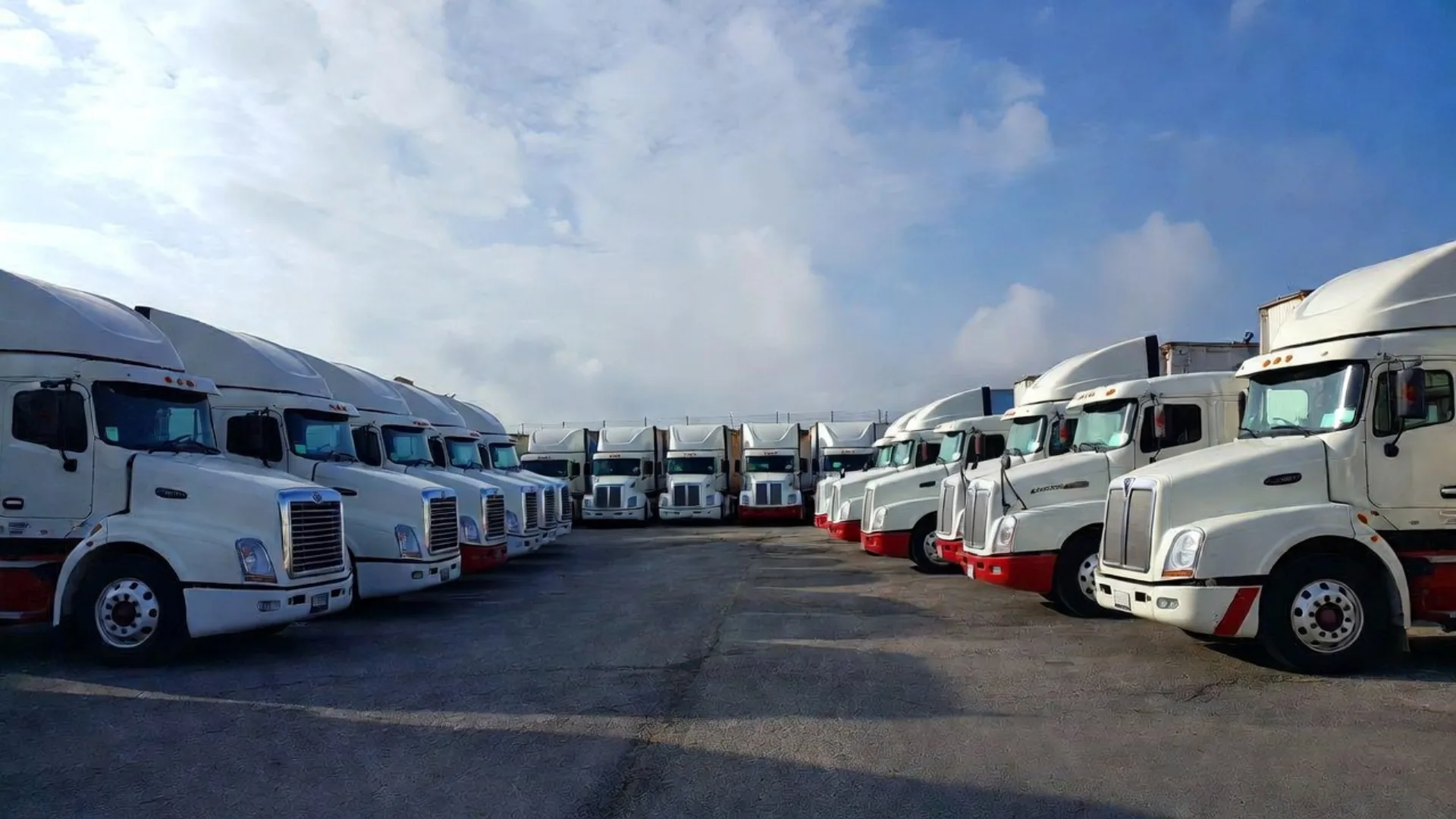
Large truck crashes resulted in 5,936 deaths and more than 160,000 injuries in 2022, according to the National Highway Traffic Safety Administration. With insurance policies carrying up to $5 million in coverage, trucking companies and their insurers have large financial incentives to minimize what they pay after a crash. Their playbook starts at the crash scene and continues through every stage of the claims process, well before the injured person’s attorney makes a first call.
Rapid Response Teams at the Crash Scene
Within hours of a serious crash, large carriers dispatch a response team that typically includes an attorney, an accident reconstruction company, and a claims adjuster. The team’s job is to reach the scene before the injured person or an attorney does, photograph and document evidence from the carrier’s perspective, speak to witnesses while memories are fresh, and begin building a defense narrative.
That team works for the carrier. By the time many injured people leave the hospital and consider calling a lawyer, the carrier’s team has already been on the scene for hours.
A formal spoliation demand legally requires the carrier to preserve evidence once it is on notice. An independent accident reconstruction builds a separate record of how the crash happened.
Blaming the Injured Driver
Shifting fault onto the injured driver is one of the most common defense strategies in trucking cases. The carrier may claim the passenger vehicle was in the truck’s blind spot, was following too closely, or made an unexpected lane change. Defense teams may also use statements the injured driver made at the scene, while disoriented, in pain, or in shock, to suggest an admission of responsibility.
Under Kentucky’s pure comparative fault rule in KRS 411.182, an injured person’s compensation is reduced by that person’s percentage of fault. Raising that percentage from 5% to 30% on a $1 million case cuts the recovery by $250,000, so the carrier has a large financial reason to build this argument.
Independent accident reconstruction analysis, ECM data, ELD records, traffic camera footage, and witness statements establish what happened without relying on the carrier’s account.
Evidence Control and Deletion
Trucking companies are required to preserve evidence after a crash, and many push the limits of that obligation. Dash-cam footage is often on a 72-hour overwrite loop. ELD data may be reset. Driver logs may be pulled and stored somewhere inaccessible. Maintenance records that show skipped inspections may disappear into a filing system that is difficult to reach through discovery.
In the most serious cases, carriers have been found to have altered or destroyed evidence after notice of a potential claim. Courts treat this severely: spoliation of evidence can result in adverse inference instructions that tell the jury to assume the destroyed evidence would have shown the carrier’s fault.
A complete spoliation demand covers ELD data, ECM data, dash-cam footage, maintenance records, driver qualification files, dispatch communications, and any third-party monitoring data. Because dash-cam footage can overwrite within 72 hours, the demand has to reach the carrier quickly.
Independent Contractor Defense
Many trucking companies classify drivers as independent contractors and, after a crash, argue that the driver was not their employee to avoid liability for the driver’s actions. The goal is to leave the injured person with a claim against the driver personally and keep the well-insured carrier out of the case.
Courts look at the working relationship itself: whether the carrier controls the driver’s routes, schedule, and working conditions, and whether the carrier owns or leases the truck. Those facts frequently establish that the carrier is responsible regardless of what the contract says.
Dispatch logs, load assignment records, leasing agreements, and the carrier’s own FMCSA-required records show the complete operational relationship between the driver and the carrier. The independent contractor label often falls apart under that scrutiny.
Corporate Shell Structures
Large trucking operations often run through multiple corporate entities: one company owns the truck, another employs the driver, and a third holds the insurance. This structure is sometimes designed to make the responsible entity hard to identify and to limit total exposure to whichever entity has the least coverage.
Identifying every entity involved, mapping the relationships between them, and building claims against each one requires investigation into company structure records, FMCSA operating authority filings, and insurance policies. General practice attorneys rarely encounter this work.
Operating authority records in the FMCSA SAFER database, lease agreements, insurance declarations, and related entity filings identify each responsible party and each available insurance layer.
Early Lowball Settlement Offers
After a serious crash, injured people and their families often face heavy financial pressure from medical bills, lost income, and uncertainty about the future. Trucking companies and their insurers know this. They sometimes make early settlement offers that look large and represent a fraction of the case’s value, and those offers come with full liability releases that permanently bar any future claims.
The value of a serious trucking case, accounting for current and future medical costs, lost earning capacity, and pain and suffering, often takes months of documentation to establish. An early offer arrives before that documentation exists. Once a release is signed, the claim is closed for good, including every loss not yet calculated.
Sam Aguiar Injury Lawyers does not recommend accepting an early settlement offer in a serious trucking case. Medical professionals, life-care planners, and economists document the full loss before any settlement number is discussed.
Defense Playbook and Case Value
Trucking defense firms teach these tactics in continuing legal education programs, and major carriers keep protocols for deploying them after a crash. A case that recovers full compensation and one that settles for a fraction of its value are often separated by one fact: whether the injured person retained an attorney who has seen and countered these tactics before.
A track record in trucking cases changes the carrier’s calculation. Carriers price a claim differently when the firm across the table sends spoliation demands, reconstructs crashes independently, and takes cases to trial when the number is too low. That combination moves settlements toward the high end of the full injury record.
Case Building Against Trucking Company Tactics
The trucking team at Sam Aguiar Injury Lawyers counters each tactic in the carrier’s playbook with a systematic approach:
- A spoliation demand covering electronic records, driver files, maintenance logs, and communications
- Independent accident reconstruction analysis that builds a separate account of the crash
- A full liability investigation of the driver, motor carrier, broker, shipper, and any maintenance contractors
- Corporate structure analysis that maps every entity and insurance layer
- An FMCSA violation investigation that pulls the carrier’s full safety record and identifies regulatory failures
- Damages documentation from qualified medical, life-care, and economic professionals that reflects the full effect of the injuries
- Trial readiness, so carriers know the firm does not settle for less than the full injury record
Ready to Take Action on Your Injury Claim?
After a serious injury, medical bills pile up while the insurance company looks for ways to pay you less. Most law firms take their cut first and leave you with whatever is left. Sam Aguiar Injury Lawyers does things differently. With our exclusive Bigger Share Guarantee®, you always get more. Every client gets a dedicated three-person team: an attorney, a case manager, and a legal assistant. We never raise our fee rate if we have to go to court, and you pay $0 Out-Of-Pocket Forever.
Frequently Asked Questions
1What makes direct insurer negotiations risky in a trucking case?+
2Which records can show a trucking company shifted blame?+
3What is a spoliation letter, and what happens if the trucking company ignores it?+
4What can be missing from an early trucking settlement release?+
5How quickly does a trucking company respond to a serious crash?+
Latest Articles
Kentucky Diminished Value Claims
Kentucky drivers may pursue a repaired vehicle’s leftover market loss from the at-fault driver as part of a.
FMCSA Revoked ELDs: Fleet Compliance and Enforcement Deadlines
FMCSA removed five electronic logging devices from the registered list on August 6, 2026, and set an October.
FMCSA English Proficiency Rule and OOS Enforcement
FMCSA English Proficiency Rule Sam Aguiar Injury Lawyers August 11, 2026 7 minute read On This Page.