

What to Do After a Commercial Vehicle Accident
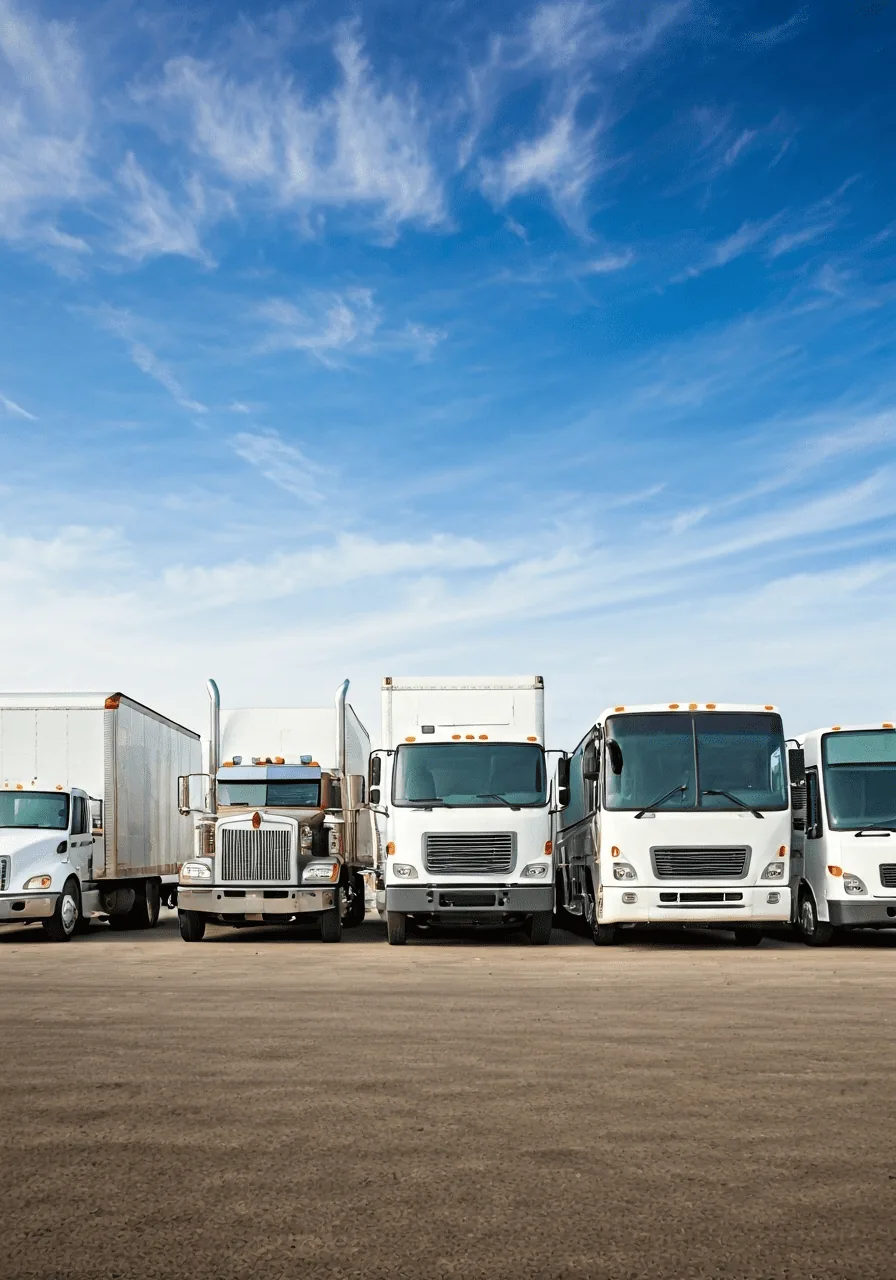
Commercial vehicle accidents differ from ordinary car accidents. The vehicles are heavier, stopping distances are longer, injuries are more severe, and the legal questions reach well past the driver. In 2023, NHTSA large truck data counted 5,472 people killed in traffic accidents involving large trucks. Behind each accident is a set of companies that can include the driver’s employer, a freight broker, a cargo loader, a maintenance contractor, and the vehicle manufacturer.
Case Differences From Car Accidents
When a semi-truck, bobtail, delivery van, or other commercial vehicle causes an accident, more money is at stake and the defense is more organized. Carriers can send rapid-response teams soon after an accident to document the scene, gather their own evidence, and build an account that limits their exposure. Much of the evidence, including logging data, engine data, maintenance records, and driver qualification files, is held by the carrier.
Driver, Vehicle, and Cargo Causes
The federal Large Truck Crash Causation Study coded driver, vehicle, and environmental factors in each accident it examined, and most accidents involved more than one factor. When the truck was assigned the critical reason, the driver accounted for 87.2% of those reasons. Common causes include:
- Distracted driving. 49 CFR 392.82 bars commercial drivers from using a handheld phone while driving, and violations carry civil penalties and, for repeat offenses, CDL disqualification, as covered in the page on trucker cell phone rules.
- Fatigue. Hours-of-service violations put tired drivers behind 80,000-pound vehicles, and electronic logging device data records the violation.
- Inadequate training. Carriers that fail to train drivers carry direct liability for the predictable results.
- Poor maintenance. Brake failures, tire blowouts, and failed lights are preventable, and Driver Vehicle Inspection Reports document when carriers ignored known defects.
- Overloaded or unsecured cargo. Unsecured loads cause rollovers and debris strikes, and 49 CFR Part 393 sets the securement standards carriers must follow.
- Weather. Weather-related truck accidents happen when dispatch pressure pushes drivers through conditions that call for slowing down or stopping.
Potential Defendants
The driver is often not the most important defendant in a commercial vehicle accident. Liability can reach every company in the chain:
- The driver, for direct negligence such as speeding, distraction, fatigue, or impairment
- The carrier, for negligent hiring, inadequate training, FMCSA violations, and maintenance failures
- The freight broker, when it selected an unfit carrier or controlled the driver’s schedule
- The shipper or cargo loader, when improper loading contributed to a rollover or loss of stability
- The vehicle or parts manufacturer, when a defective brake, tire, or steering component failed in normal use
- Third-party maintenance contractors, when outsourced repair work fell below required standards
Insurance Coverage Layers and Minimums
Commercial vehicle accidents involve layered coverage, including primary liability, excess and umbrella policies, and federal endorsements, as described on the trucking insurance page. Under 49 CFR 387.9, for-hire carriers hauling nonhazardous property in interstate commerce must carry at least $750,000 in liability coverage. Oil and certain hazardous materials require $1,000,000, and bulk hazardous substances and certain high-hazard materials require $5,000,000.
The MCS-90 endorsement can require the insurer to pay a final judgment for public liability up to the federal minimum even when the policy itself would not cover the accident, leaving the insurer to seek reimbursement from the carrier.
Steps After a Commercial Vehicle Accident
The first hours after a commercial vehicle accident decide what information survives. These steps protect both health and evidence:
Five Steps Protect Evidence After a Commercial Vehicle Accident
Actions at the scene and in the days that follow
Get to safety and call 911. Commercial vehicle accidents can cause internal injuries, traumatic brain injuries, and spinal damage without immediate symptoms.
Photograph what can be reached safely: the truck’s USDOT number, company name, license plate, cargo markings, visible damage, road conditions, and injuries. Those details identify the carrier and its insurance.
Decline a recorded statement to the carrier’s insurer, which often calls quickly, and do not sign a settlement.
Get medical care even without obvious symptoms. Adrenaline can mask pain, and insurers use gaps in treatment to argue injuries were minor or unrelated.
Send a preservation letter putting the carrier on notice to keep engine data, dash camera footage, and logs, which can otherwise be overwritten or deleted.
Early settlement offers from commercial carriers often arrive before the full scope of the injuries is known. A settlement release is permanent, so an early signature closes the claim before those costs are counted.
Ready to Take Action on Your Injury Claim?
After a serious injury, medical bills pile up while the insurance company looks for ways to pay you less. Most law firms take their cut first and leave you with whatever is left. Sam Aguiar Injury Lawyers does things differently. With our exclusive Bigger Share Guarantee®, you always get more. Every client gets a dedicated three-person team: an attorney, a case manager, and a legal assistant. We never raise our fee rate if we have to go to court, and you pay $0 Out-Of-Pocket Forever.
Frequently Asked Questions
1What makes a commercial vehicle accident different from a car accident?+
2Can the trucking company be sued, not just the driver?+
3How much insurance does a commercial trucking company have to carry?+
4What evidence is most time-sensitive after a commercial vehicle accident?+
Latest Articles
Kentucky Diminished Value Claims
Kentucky drivers may pursue a repaired vehicle’s leftover market loss from the at-fault driver as part of a.
FMCSA Revoked ELDs: Fleet Compliance and Enforcement Deadlines
FMCSA removed five electronic logging devices from the registered list on August 6, 2026, and set an October.
FMCSA English Proficiency Rule and OOS Enforcement
FMCSA English Proficiency Rule Sam Aguiar Injury Lawyers August 11, 2026 7 minute read On This Page.