

Bruised Ribs After a Car Accident
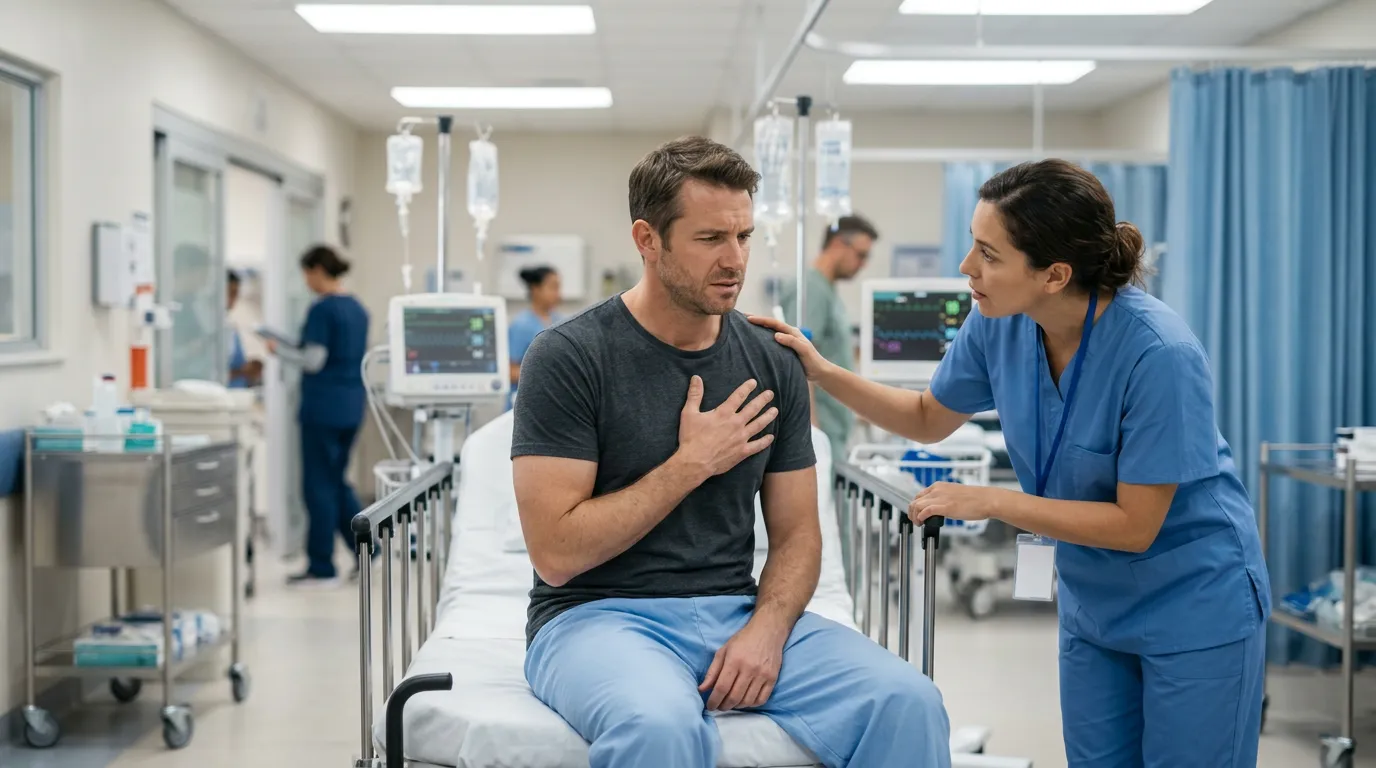
Key Takeaways
- A bruised rib is an injury to the soft tissue over a rib with no break in the bone. Breathing and coughing trigger pain with both a bruised rib and a rib fracture.
- Bruised ribs usually heal in about 4 to 6 weeks, and a bruise heals sooner than a rib fracture.
- Shortness of breath, coughing up blood, fever, a cough or more mucus than usual, and pain that prevents deep breathing are reasons to contact a provider right away.
Rib Contusion Basics
A bruised rib, also called a rib contusion, is an injury to the soft tissue over a rib with no break in the bone. A bruise forms when small blood vessels break and leak into the tissue under the skin, which turns the skin a darker color.
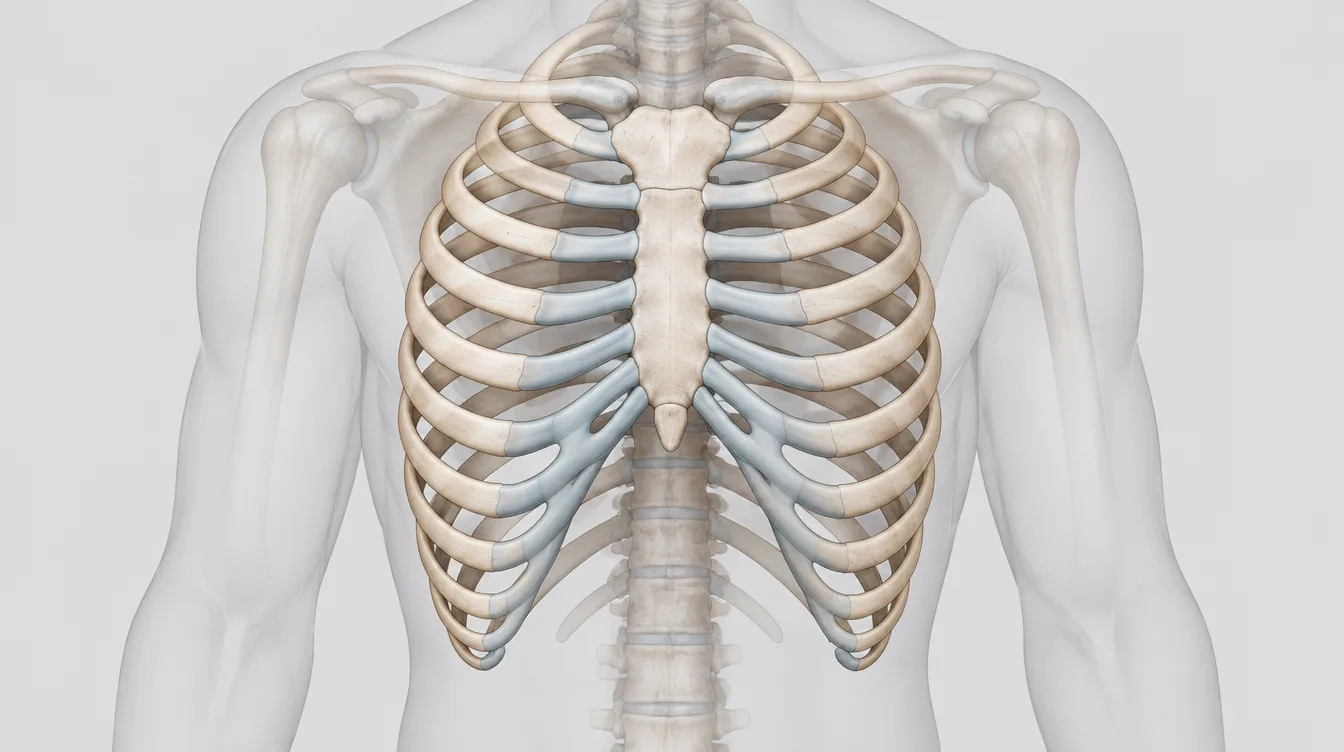
Car accidents are a common cause of bruised ribs, along with sports injuries and falls. The same blow can also fracture ribs or damage the lungs, liver, spleen, or kidney, and those added injuries are more likely after a car accident.
Chest Impact During a Car Accident
Motor vehicle accidents are the leading cause of chest trauma. Airbag deployment, steering-wheel damage, intrusion into the passenger space, and extensive vehicle damage are risk factors for significant injury.
The shoulder belt crosses the chest, and it can pass significant force into the body depending on how the car accident happens. That force can cause sternal and rib fractures and bruised lungs. Bruising in the pattern of the belt may leave point tenderness over the ribs.
The same belt force can cause other seat belt injuries after a car accident, including sternum fractures.
Common Signs of a Rib Contusion
Pain, swelling, and skin discoloration are the main symptoms. The skin over the bruise may turn blue, purple, or yellow, and the area feels tender and sore.
Breathing, coughing, laughing, and sneezing can all cause or increase the pain, and the pain may be present during movement and at rest.
The signs below call for contacting a provider right away.
Symptoms That Need Prompt Medical Attention
- Shortness of breath
- Coughing up blood
- Fever
- A cough or more mucus than usual
- Pain that prevents deep breathing or coughing, even with pain relievers
Why Kentucky Hires
Sam Aguiar Injury Lawyers
Bruise Versus Fracture
A rib fracture is a crack or break in one or more rib bones, while a bruised rib is limited to the soft tissue over the rib. A rib fracture hurts because the ribs move with each breath, cough, and upper-body movement.
| Feature | Bruised Rib | Rib Fracture |
|---|---|---|
| Injured tissue | Soft tissue over the rib | A crack or break in the rib bone |
| Pain triggers | Breathing, coughing, laughing, or sneezing | Breathing, coughing, and upper-body movement |
Bruised ribs recover in the same manner as rib fractures. Rib fractures often come with other chest and organ injuries, so providers check for those as well. Rib fractures after a car accident take longer to heal than a bruise.
Physical Examination and Imaging
Evaluation starts with a physical exam of the chest wall and breathing. Providers check for tenderness when the chest wall is pressed and listen to breath sounds, since quieter breath sounds may point to blood or air collecting around a lung.
An x-ray, MRI, or CT scan is rarely needed to confirm a bruised rib, though imaging may be needed to check for more serious injuries, such as a rib fracture that has shifted a rib out of alignment or damage to internal organs.
For suspected rib fractures after minor blunt trauma confined to the ribs, a chest x-ray is rated usually appropriate as the first imaging test. In that same scenario, dedicated rib x-ray views rate “may be appropriate,” and chest CT rates “usually not appropriate.”
For blunt chest trauma more broadly, the NEXUS chest decision tool uses 7 criteria to judge the likelihood of a significant chest injury on imaging. The criteria are age 60 or older, rapid deceleration such as a motor vehicle accident above 40 mph, chest pain, intoxication, altered mental status, a distracting painful injury, and chest wall tenderness.
Lung and Organ Injuries
A bruised chest wall can sit over a deeper injury. A bruised lung is a common complication of rib fractures. In mild cases, symptoms may develop gradually over 24 to 48 hours, and complications can include pneumonia and respiratory failure.
Significant chest trauma can occur without a rib fracture, and lower rib fractures may come with injuries inside the abdomen. The same kind of impact can injure the lungs and heart, as with other chest injuries from a car accident.
Home Care and Chest Wrapping
Self-care for a bruised rib combines ice, pain medicine, and breathing exercises. An ice pack wrapped in cloth for 20 minutes, 2 to 3 times a day for the first 1 to 2 days, reduces swelling and numbs the area.
Store-bought pain relievers can treat pain that is not severe. For two of them, people with heart disease, high blood pressure, kidney or liver disease, or a history of stomach ulcers or internal bleeding check with a provider first.
A belt or bandage around the chest is not part of that care. Wrapping keeps the ribs from moving with each breath or cough, which may lead to pneumonia.
Deep Breathing and Coughing
Slow deep breaths and gentle coughing clear mucus from the lungs and prevent partial lung collapse. Rib pain can make breaths shallow, and shallow breathing for too long raises the risk of pneumonia, so providers may recommend these exercises.
A provider may also have the person blow into a spirometer, a device that measures how much air moves with each breath. Holding a pillow or blanket against the injured rib can make those breaths less painful. Resting in bed all day can cause fluid to build up in the lungs, so all-day bed rest is discouraged.
Recovery Time Range
Bruised ribs usually heal in about 4 to 6 weeks, and a rib fracture takes at least 6 weeks. As the pain decreases, normal daily activities can resume slowly after talking with a provider.
Heavy lifting, pushing, pulling, and movements that cause pain are best avoided while a bruised rib heals. For the first few nights, sleeping semi-upright with pillows under the neck and upper back makes breathing easier, then sleeping on the uninjured side can start a few days after the injury. Smoking and other tobacco use should stop during healing.
Emergency room notes and follow-up records show how a rib injury affected breathing and movement over time. Keeping those records together with the police report from the car accident puts the full history in one place.
Bruised Ribs Still Aching Weeks After the Crash?
Bruised ribs can make every breath, cough, and turn in bed painful for weeks, and an insurer reading the chart may still call the injury minor. Sam Aguiar Injury Lawyers lines up the emergency room notes, imaging, and follow-up records so the full course of your rib injury is on paper. Under our Bigger Share Guarantee®, you always walk away with more than the firm after bills, liens, and case costs. Start with a free case review.