

Kentucky Aviation Accident Lawyers
Injured or Lost Someone in an Aviation Accident?
 ★★★★★
Over 1,000 Five-Star Reviews
•
Available 24/7. $0 Out-Of-Pocket Forever.
Kentucky Aviation Accident Cases We Handle
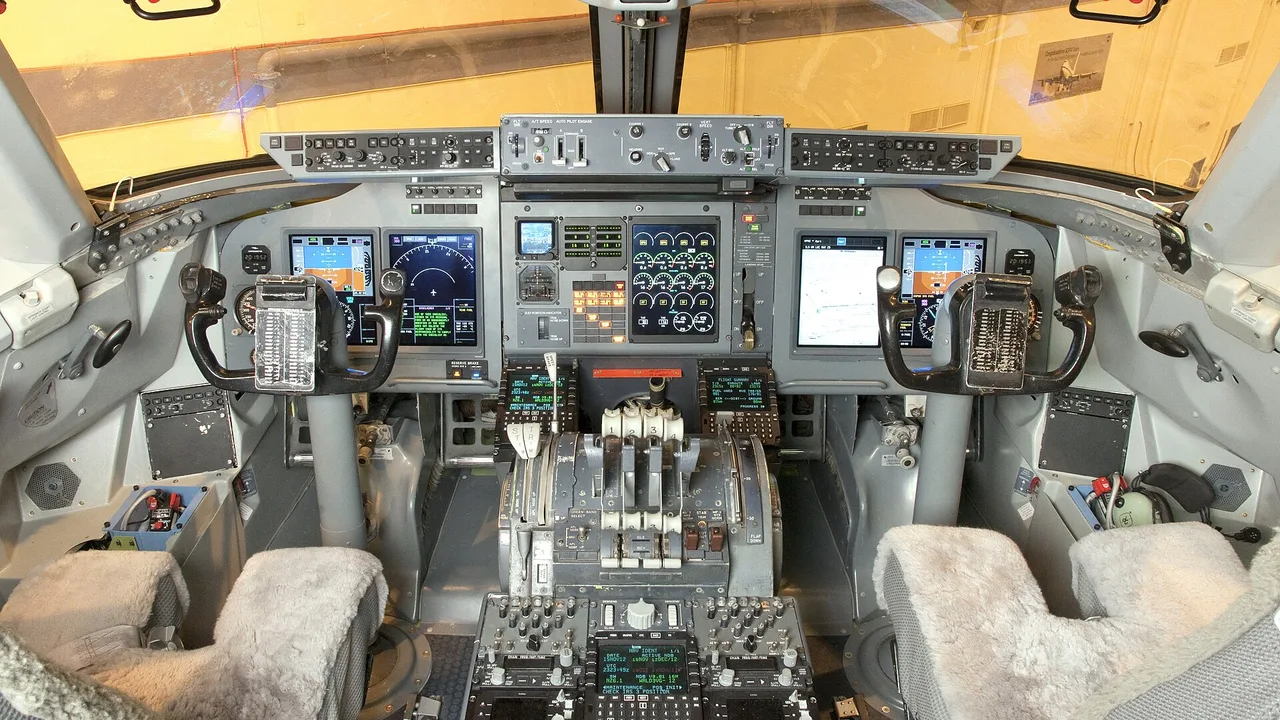
After an airline, charter or helicopter accident, federal investigators can take possession of the wreckage and the flight records, and their work is not built to decide who pays you. The National Transportation Safety Board determines the probable cause of civil aircraft accidents, but its investigations are not conducted to determine rights or liability, and federal law keeps the Board’s report out of a civil case for damages over the accident. Your case needs its own evidence, its own expert witnesses and an aviation accident lawyer who knows where the government’s work stops.
Sam Aguiar Injury Lawyers handles aviation accident and aviation wrongful death cases for passengers, crew members and people on the ground, and for families who lost someone. Kentucky is home, and on aviation cases in other states the firm works with co-counsel. We represent families in the UPS Flight 2976 litigation in Jefferson Circuit Court.
Federal Operating Rules by Flight Type
Scheduled airlines and large cargo carriers fly under Part 121, where the certificate holder is responsible for operational control. Federal regulations define operational control as authority over initiating, conducting or terminating a flight.
Charter, commuter and on-demand flights operate under Part 135, and the certificate holder there also holds operational control and must name in its manual each person allowed to exercise it. Helicopter air ambulance flights follow their own subpart of the same part.
Private and other general aviation flights follow the general operating rules of Part 91, where the pilot in command is the final authority as to the operation of the aircraft.
The name painted on the aircraft does not settle who controlled the flight. An air charter broker that sells a trip must state in its ads that it is not the carrier in operational control, and federal law makes an aircraft owner or lessor liable only when it had actual possession or operational control.
Responsible Parties in Aviation Cases
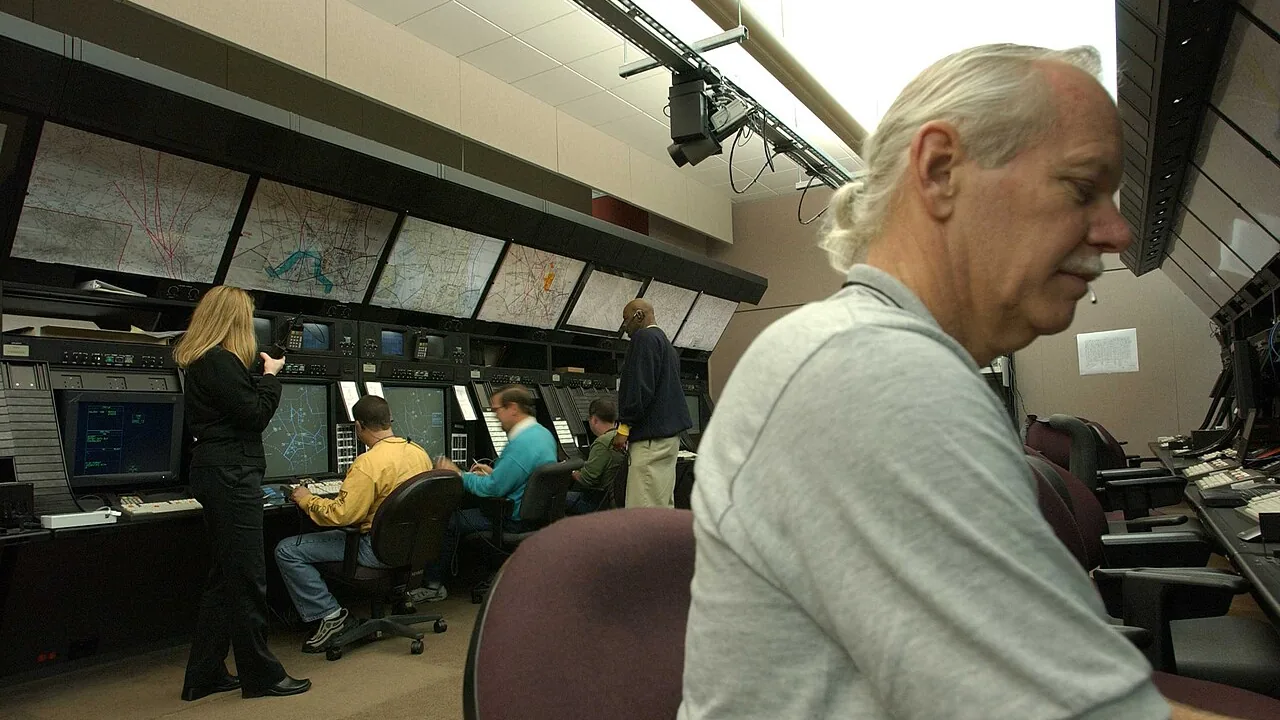
Responsibility for an aviation accident can reach any company or agency whose work touched the flight. The airline or charter operator answers for its pilots and crew under the rule that makes an employer legally responsible for an employee’s wrongful acts on the job, and separately for its own decisions about training, dispatch and maintenance.
The companies that designed and built the aircraft, its engines and its parts can be responsible for a manufacturing defect, a design defect or a defect in its warnings and instructions. Holders of FAA design approvals must report listed failures, such as an engine failure or a significant structural defect, to the FAA within 24 hours after determining that one occurred.
A repair station may approve an aircraft or part for return to service only when the work followed approved technical data. An airline that hires an outside maintenance company stays primarily responsible for airworthiness, so the airline and the contractor can both answer for the same inspection.
Controllers employed by the FAA are federal employees, and a case over their conduct goes against the United States in federal district court under the Federal Tort Claims Act. The Act’s definition of a federal agency excludes contractors, which changes the analysis for a tower staffed by a private company, and the Act bars cases based on the exercise of a discretionary function. In United States v. Varig Airlines, 467 U.S. 797 (1984), the Supreme Court held that exception barred suits over the FAA’s certification of aircraft under its spot-check program. Airports that serve airline flights must hold an FAA operating certificate and follow an Airport Certification Manual.
People Injured on the Ground
An aircraft accident can injure or kill people who never boarded. UPS Flight 2976 killed three crew members and 12 people on the ground in Louisville. Federal law requires each airline’s family assistance plan to treat the families of any victim on the ground the same as the families of paying passengers.
The Montreal Convention’s liability rule speaks of passengers, so a person hurt on the ground, or the family of a person killed there, brings the case under state law against the operator, the manufacturers and the maintenance companies whose work is at issue.
Evidence Beyond the NTSB Investigation
The NTSB decides who takes part in its investigation, and its rules bar a party’s representative from being anyone who also represents claimants or insurance companies. Lawyers for injured people and families work outside that process, from what the NTSB releases and from evidence gathered in the civil case.
Until the NTSB takes custody or releases it, the operator must preserve the wreckage, cargo and records, including the flight and voice recorder media. An airline’s flight data recorder keeps the last 25 hours of data, and after a reportable accident the operator must keep that data for at least 60 days, or longer when the NTSB asks.
The Board’s own report cannot be used in your case, but the factual reports its investigators write face no statutory bar, and NTSB employees may testify only about facts, never as expert witnesses. Cockpit voice recordings get extra protection: a court can order discovery of a recording only after reviewing it privately and finding the public transcript is not enough.
That leaves the liability evidence to the civil case: maintenance records, manufacturer service documents, training files and the opinions of engineers and other expert witnesses who can explain them. A federal court admits an expert’s opinion only when the party offering it shows it is more likely than not that the opinion meets the reliability requirements.
Federal Court Jurisdiction
The same accident can produce cases in state court, federal court or both. A case against companies from other states can be heard in federal court when the parties are citizens of different states and more than $75,000 is at stake, but a defendant sued in its home state’s courts cannot move the case to federal court on that basis. Cases against the United States go to federal district court, where a judge, not a jury, decides them.
Federal law adds two tools for large accidents. A federal court can hear a case from a single accident that killed at least 75 people at one location when one of three conditions is met, and a panel of federal judges can send related cases from different districts to one judge for pretrial work, after which unresolved cases return to their original courts for trial.
International Flights Under the Montreal Convention
When a ticket is for international travel, a treaty decides the airline’s liability. Under the Montreal Convention, the carrier is liable for death or bodily injury caused by an accident on board or while boarding or leaving the aircraft, and it cannot avoid damages up to an amount the treaty sets per passenger and reviews for inflation every five years. Above that amount, the carrier avoids liability only by showing the damage was not caused by its negligence or was caused solely by a third party. The treaty rules out punitive damages, and it allows a case in the country where the passenger had a principal and permanent residence when the carrier flies to and does business in that country.
Wrongful Death Statutes in Aviation Cases
In Kentucky, KRS 411.130 allows damages when a death results from another’s negligence or wrongful act, and punitive damages when the act was willful or the negligence gross. The personal representative of the estate brings the case, and the recovery goes to the family in the order the statute sets, starting with a surviving spouse and children. The same statute governs Kentucky wrongful death cases after car and truck accidents; an aviation case adds the NTSB record, aircraft manufacturers and the federal court questions above.
Every state has a wrongful death statute, and the law that governs your case decides who may sue and what the family can recover. A commercial aviation accident more than 12 nautical miles from shore falls under the federal Death on the High Seas Act, which adds damages for loss of care, comfort and companionship but bars punitive damages.
Family Assistance After an Airline Accident
When an airline accident kills someone and the NTSB leads the investigation, the Board names a director of family support services as the families’ point of contact within the federal government. After general aviation accidents, the NTSB’s family assistance staff serve as a primary point of contact for survivors and families and share updates as the investigation releases information. The NTSB places its preliminary report within about two weeks of an accident and its final report at about 18 to 24 months.
Each airline’s family assistance plan must return a passenger’s possessions to the family on request unless investigators need them, and must hold unclaimed possessions for at least 18 months. Federal law also limits attorney contact in the first weeks: after an accident involving an airline, no attorney may make an unsolicited contact about a personal injury or wrongful death case with an injured person or a relative before the 45th day after the accident. A call you choose to make is not an unsolicited contact.
UPS Flight 2976 Litigation
On December 3, 2025, Sam Aguiar Injury Lawyers, co-counsel Jonathan Hollan, and Chicago-based Clifford Law Offices filed the first wrongful death lawsuits over the UPS Flight 2976 accident in Jefferson County Circuit Court. Sam Aguiar and Jon Hollan attended the NTSB’s investigative hearings in person in May 2026, and the firm represents families affected by the accident.
The NTSB held those hearings on May 19 and 20, 2026. As of November 7, 2026, its investigation is still ongoing, with no probable cause determination. The allegations in the lawsuits remain to be proven in court, on evidence developed in each case and apart from whatever the Board concludes.
Key Takeaways
Questions About an Aviation Accident Case?
An aviation case runs beside a federal investigation you do not control, with the records held by airlines, manufacturers and maintenance companies. Sam Aguiar Injury Lawyers handles aviation accident and aviation wrongful death cases, and every client gets a dedicated three-person case team. With our Bigger Share Guarantee®, you always get more, and you pay $0 out-of-pocket forever. Call today for a free case review.
Frequently Asked Questions
Can a passenger sue an airline after an aviation accident?
Yes. A passenger or the passenger’s family can bring a case against the airline, which answers for its crew under the rule that makes an employer legally responsible for an employee’s wrongful acts on the job. On an international trip, the Montreal Convention makes the carrier liable for death or bodily injury caused by an accident on board or during boarding or leaving the aircraft, and the treaty sets the rules for that case.
Who is responsible when an aircraft accident injures people on the ground?
Responsibility follows the cause of the accident and can reach the aircraft operator, the companies that designed and built the aircraft or its parts, and the companies that maintained it. The Montreal Convention’s liability rule applies to passengers, so people on the ground bring their cases under state law. Federal law requires an airline’s family assistance plan to treat families of victims on the ground the same as families of paying passengers.
Can an NTSB report be used as evidence in an aviation accident lawsuit?
No part of a Board report about an accident may be admitted into evidence or used in a civil case for damages arising from the accident. The factual reports NTSB investigators write are treated differently: federal regulations state that no statutory bar keeps them out. NTSB employees may testify only about facts and do not give expert opinions.
Can a family sue the federal government over an air traffic control error?
Yes, under the Federal Tort Claims Act, which makes the United States liable for its employees’ negligence in the same manner as a private person, though not for punitive damages. The case must first be presented to the federal agency involved, and a federal judge hears it without a jury. Controllers employed by a private contractor are not federal employees under the Act’s definitions.
When does the Montreal Convention apply to an aviation accident case?
The Montreal Convention applies to international carriage, which the treaty defines by the agreement between the parties: a trip whose place of departure and destination are in two countries that are parties to the treaty, or in one party country with an agreed stopping place in another country. A domestic leg that is part of one international trip can still count as international carriage.
Who can file a wrongful death case after an aviation accident in Kentucky?
Under KRS 411.130, the personal representative of the person who died brings the case. The money recovered, after funeral expenses and the costs of administration and recovery not paid by the defendant, goes to the family in the statute’s order: a surviving spouse and children first, then parents, then the estate.
What time limits apply to an aviation accident lawsuit in Kentucky?
Under KRS 413.140(1)(a), an action for an injury to the person must be filed within one year after the cause of action accrues. A wrongful death case falls under the same one-year rule, and KRS 413.180 gives the personal representative one year from appointment to bring it; a representative appointed more than a year after the death is treated as appointed on the last day of that first year. In Estate of Wittich v. Flick, 519 S.W.3d 774 (Ky. 2017), the Kentucky Supreme Court applied KRS 413.180 and agreed that a wrongful death case may be brought no later than two years from the date of death. A tort claim against the United States must be presented in writing to the federal agency within two years after it accrues, and the lawsuit must follow within six months after the agency mails its final denial, under 28 U.S.C. 2401(b). The General Aviation Revitalization Act covers aircraft certified for fewer than 20 passenger seats that are not in scheduled passenger service at the time of the accident. It bars a suit against the manufacturer of such an aircraft, or of a replacement part, when the accident happens more than 18 years after the aircraft’s first delivery or the part’s installation, with exceptions that include a person who was not aboard and a passenger being flown for treatment of a medical or other emergency.