

Kentucky Coal Truck Lawyers
Injured in a Coal Truck Accident?
 ★★★★★
Over 1,000 Five-Star Reviews
•
Available 24/7. $0 Out-Of-Pocket Forever.
★★★★★
Over 1,000 Five-Star Reviews
•
Available 24/7. $0 Out-Of-Pocket Forever.
Kentucky Coal Truck Crash Cases
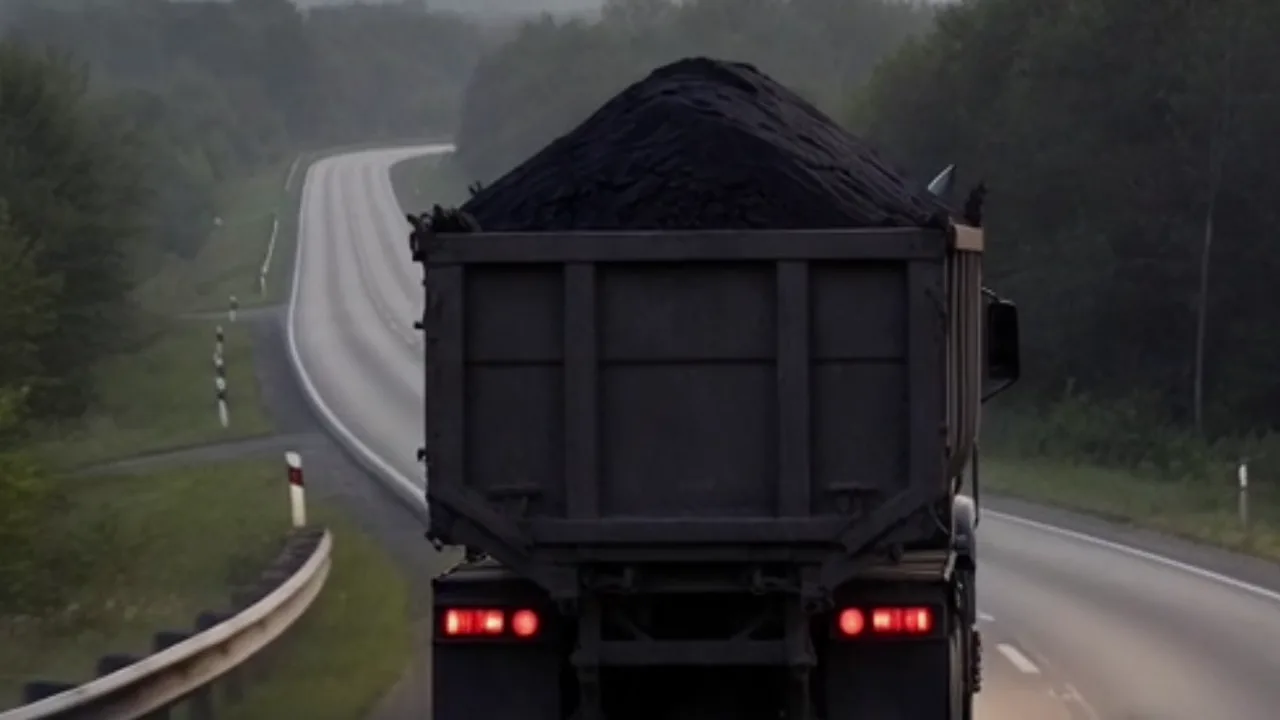
Coal truck crash cases in Eastern Kentucky carry a layer of regulation that other truck crash cases do not. Overweight exemptions, mountain grades, and dual federal and state oversight shape how a coal truck case is built and who can be held responsible.
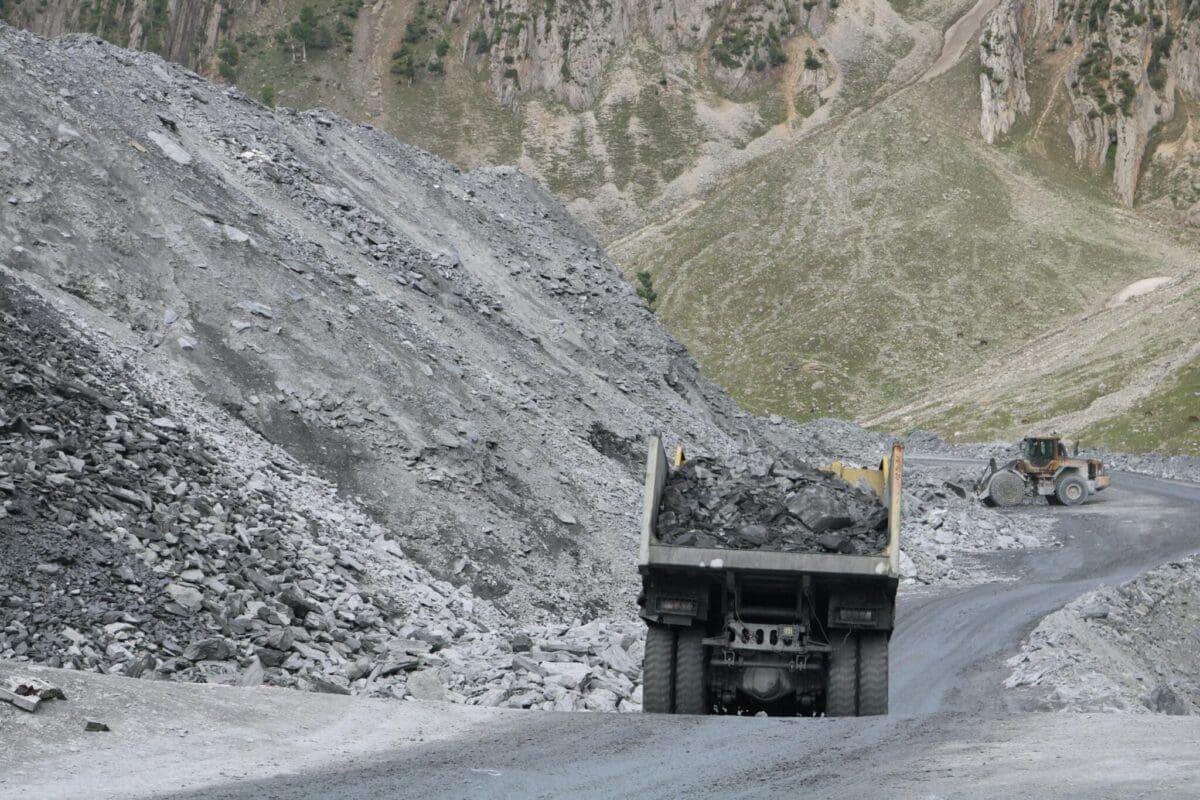
Under KRS 177.9771, a coal truck with five or more axles on the state’s extended weight coal or coal by-products haul road system can legally operate at up to 120,000 pounds. That is 60 tons on two-lane mountain roads and 40,000 pounds above the 80,000-pound gross weight limit for the Interstate System in 23 U.S.C. 127. When those loads meet steep grades, worn brakes, and fatigued drivers, the crashes are catastrophic.
The terrain across the Eastern Kentucky coalfields adds risk that flatland trucking routes rarely face, and that terrain factors directly into how a crash investigation unfolds.
EWCHRS Permits and Weight Limits
The extended weight coal or coal by-products haul road system (EWCHRS) is made up of public highways that carried more than 50,000 tons of coal or coal by-products by truck in 1985, updated annually and certified each year by the secretary of the Kentucky Transportation Cabinet. Under KRS 177.9771, a truck registered at 80,000 pounds and hauling coal or coal by-products on those roads can exceed the standard weight limits by paying an annual decal fee: up to 90,000 pounds for a single-unit truck with tandem axles, 100,000 pounds with tridem axles, and 120,000 pounds for a tractor-semitrailer with five or more axles, each with a 5% tolerance (up to 126,000 pounds for the largest trucks). Trucks hauling under a cooperative agreement with the Department of Highways under KRS 177.979 are exempt from the decal fee as long as they are driven over cooperative roads only while full.
Those Kentucky weight rules sit alongside the FMCSA’s Federal Motor Carrier Safety Regulations, which set hours-of-service, driver qualification, and vehicle inspection requirements for commercial motor vehicles. The 80,000-pound federal gross weight limit comes from 23 U.S.C. 127 and applies on the Interstate System.
EWCHRS compliance at the moment of impact is the first question in a coal truck crash. The extended weights in KRS 177.9771 apply only to trucks hauling coal or coal by-products on system roads, so a truck off the system, over its decal weight, or hauling other cargo was operating outside the statute, which can be evidence of negligence in a civil case. Dump trucks hauling stone, asphalt, or fill run under the general limits covered on the dump truck accident page.
FMCSA and MSHA Jurisdiction
The Mine Safety and Health Administration adds a second federal agency to coal truck cases, one that does not come up in standard trucking evidence cases. When a crash involves a truck traveling from an active mine site, MSHA’s 30 CFR Part 77 safety standards for surface coal mines and the surface work areas of underground coal mines may apply to the mine operator’s haulage on mine property. On public highways, the FMCSA’s regulations govern interstate commercial motor vehicle operations. If the mine operator’s dispatch decisions, loading practices, or driver scheduling contributed to the crash, MSHA records become important evidence in the civil case.
FMCSA-required records (driver qualification files, drug and alcohol test logs, maintenance records, ELD data) and any relevant MSHA reports should be subpoenaed together, because each agency’s records explain a different part of the crash.
Dual-Agency Investigation Records
A coal truck crash on a Kentucky highway can involve evidence from two federal agencies and the state:
- FMCSA records: driver qualification file, hours-of-service logs (ELD data), vehicle inspection reports (DVIRs), drug and alcohol testing records, motor carrier safety fitness rating
- MSHA records: mine operator’s haul road safety program, driver training documentation, equipment inspection logs for mine haul trucks, any citations from recent mine inspections
- Kentucky Transportation Cabinet: EWCHRS permit status, route designation, cooperative agreement records
Eastern Kentucky Coal Truck Crash Factors
Five crash factors on Eastern Kentucky coal routes each leave their own records.
- 1
Overweight and Off-Route Violations
The extended weights in KRS 177.9771 apply only on EWCHRS roads. A 120,000-pound coal truck that leaves the system, even for a familiar county road that looks safe, is over Kentucky’s standard weight limits, and Eastern Kentucky’s narrow, winding two-lane roads make that truck more dangerous. The truck’s decal or cooperative agreement, checked against the Transportation Cabinet’s certified EWCHRS road list at the crash location, shows whether the truck was off the system.
- 2
Brake Failures on Mountain Grades
A loaded coal truck moving downhill on an Appalachian grade creates enormous heat in the air brake system. The FMCSA’s Large Truck Crash Causation Study is a national study of large truck injury and fatal crashes from 2001 to 2003, and it coded brake problems for almost 30 percent of the trucks. Neglected brake maintenance, drivers who skip pre-trip inspections, and companies that put trucks back on the road before repairs are complete all contribute. Maintenance logs, DVIR records, and the truck’s ECM data document what the brakes were doing in the seconds before impact.
- 3
Driver Fatigue and HOS Violations
FMCSA’s Hours of Service rules under 49 CFR Part 395 limit property-carrying drivers to 11 hours of driving within a 14-hour on-duty window, after 10 consecutive hours off duty. Companies that dispatch drivers early, pressure them to make extra loads, or overlook log falsification put fatigued drivers on the road, and drivers and carriers that push past those limits leave a trail in the ELD record. ELD data, payroll records, delivery manifests, and dispatch communications are the records to subpoena in driver fatigue cases. See also the page on hours-of-service violations.
- 4
Improperly Secured Cargo
A coal load within the permitted weight must still be loaded and secured to prevent it from leaking, spilling, blowing, or falling from the truck under 49 CFR 393.100. The same rule requires cargo to be contained or secured so it does not shift enough to affect the truck’s stability or maneuverability, a serious danger on banked mountain curves.
- 5
Blind Spots and Wide-Turn Crashes
Coal trucks require enormous maneuvering space. On narrow routes like US 23 through Pike County or US 119 near Pineville, wide turns force these trucks into oncoming lanes. The FMCSA’s “no-zone” guidance identifies the areas around large trucks where smaller vehicles become effectively invisible to the driver. DOT camera footage and any available TRIMARC archive footage can document what the driver saw, or failed to see, in the moments before the crash.
Rural Highway Crash Statistics
About 54 percent of fatal crashes involving large trucks in 2022 occurred in rural areas, according to the Federal Motor Carrier Safety Administration’s Large Truck and Bus Crash Facts.
Of the 5,340 people who died in crashes involving large trucks in 2024, 62 percent were passenger vehicle occupants, according to Insurance Institute for Highway Safety data. The weight difference puts the passenger-vehicle side of a coal truck crash at the greatest risk.
Evidence Preservation Steps
These steps preserve the evidence of what happened in a coal truck crash.
- 1
Spoliation Letters
Formal preservation (spoliation) letters go to the motor carrier, insurer, broker, and any maintenance facility. They cover the ECM/EDR, ELD data, dash camera footage, EWCHRS permits, and all driver qualification records.
- 2
EWCHRS Compliance Audit
The audit verifies whether the truck held a valid permit, was on an authorized route, and was carrying qualifying cargo. Any deviation is documented as a statutory violation.
- 3
ECM and ELD Download
The truck’s Electronic Control Module (black box) captures speed, brake application, throttle position, and engine performance in the seconds before impact. ELD records document every hour the driver was behind the wheel. Both must be preserved before the truck returns to service.
- 4
Scene Documentation and Reconstruction
Skid marks, gouge marks, grade measurements, sight-line analysis, and road condition need documentation before weather or traffic erases the physical evidence. Sam Aguiar Injury Lawyers works with reconstruction professionals who understand large commercial vehicle dynamics.
- 5
Corporate Liability Investigation
The corporate investigation asks whether dispatch scheduling was unlawfully aggressive, whether the company skipped required drug testing, and whether maintenance records were falsified. Corporate negligence cases name the company as a responsible party alongside the driver.
Liable Parties in a Coal Truck Crash
A coal truck crash can involve more than one liable party. Responsible parties can include:
- Truck driver: fatigue, distraction, speeding, brake misuse, route violations
- Motor carrier: negligent hiring, inadequate training, HOS pressure, maintenance failures
- Coal company or mine operator: if its loading, dispatch, or haul road safety programs contributed to the crash
- Maintenance contractors: shops responsible for brake systems or other critical safety components
- Equipment manufacturers: if defective brakes, tires, or safety systems played a role
Multiple liable parties can mean multiple insurance policies, and a carrier’s excess and umbrella coverage can sit above its primary policy.
How Sam Aguiar Injury Lawyers Handles Coal Truck Crash Cases
Sam Aguiar Injury Lawyers handles coal truck crash cases through its dedicated trucking team, which works with the EWCHRS regulations, the FMCSA-MSHA overlap, and the evidence each agency controls. The firm offers the Bigger Share Guarantee®. Clients always walk away with more money than the firm after medical bills, liens, and case expenses are paid. If the client’s share would ever be less than the legal fee, the firm cuts its fee.
- Dedicated three-person team: a top-rated attorney, an experienced case manager, and a skilled legal assistant.
- Flat contingency fee that never increases if your case goes to trial.
- $0 Out-Of-Pocket Forever.
If a coal truck hit you on an Eastern Kentucky road, the decal, route, ECM, and ELD records described on this page are the evidence to secure. Ask for a free case review of your coal truck crash case. Most cases qualify in under 10 minutes.
Key Takeaways
Was the Coal Truck Over Its Permitted Weight?
Coal trucks on Eastern Kentucky highways run under special weight permits, and an overloaded truck needs more room to stop on steep, winding roads. Sam Aguiar Injury Lawyers puts a dedicated trucking team on coal truck cases, where scale tickets, permit records and driver logs often show what went wrong. You pay $0 Out-Of-Pocket Forever from the first day to the last. Call today for a free case review.
Frequently Asked Questions
1Why are Kentucky coal trucks allowed to carry more weight than standard trucks?+
KRS 177.9771 lets trucks hauling coal or coal by-products on the extended weight coal haul road system run above standard weight limits by paying an annual decal fee. A tractor-semitrailer with five or more axles can reach 120,000 pounds with a 5% tolerance.
2Which agencies investigate a Kentucky coal truck crash?+
Kentucky State Police or local police investigate a crash on a public road, and the Federal Motor Carrier Safety Administration regulates the motor carrier’s compliance with federal safety rules. The Mine Safety and Health Administration has authority over mine property, where its surface coal mine standards in 30 CFR Part 77 apply.
3What does federal crash research show about brakes and fatigue in large truck crashes?+
The FMCSA’s Large Truck Crash Causation Study covers large trucks nationally and does not separate out coal trucks. In its nationally representative sample of large truck injury and fatal crashes from 2001 to 2003, brake problems were coded for almost 30 percent of the trucks and fatigue for 13 percent of the truck drivers, according to the FMCSA report to Congress.
4Can a coal company be held responsible if the truck was operated by a contractor?+
Yes, depending on the relationship between the coal company and the trucking contractor. Liability can extend to the company that hired the driver, particularly when scheduling or loading practices contributed to the crash.
5What evidence is most important in a coal truck crash investigation?+
Weigh station records, cargo securement documentation under 49 CFR Part 393, hours-of-service logs, and brake inspection records are frequently central to establishing what caused the crash.