

Truck Driver Shortage Causes and Safety Risks
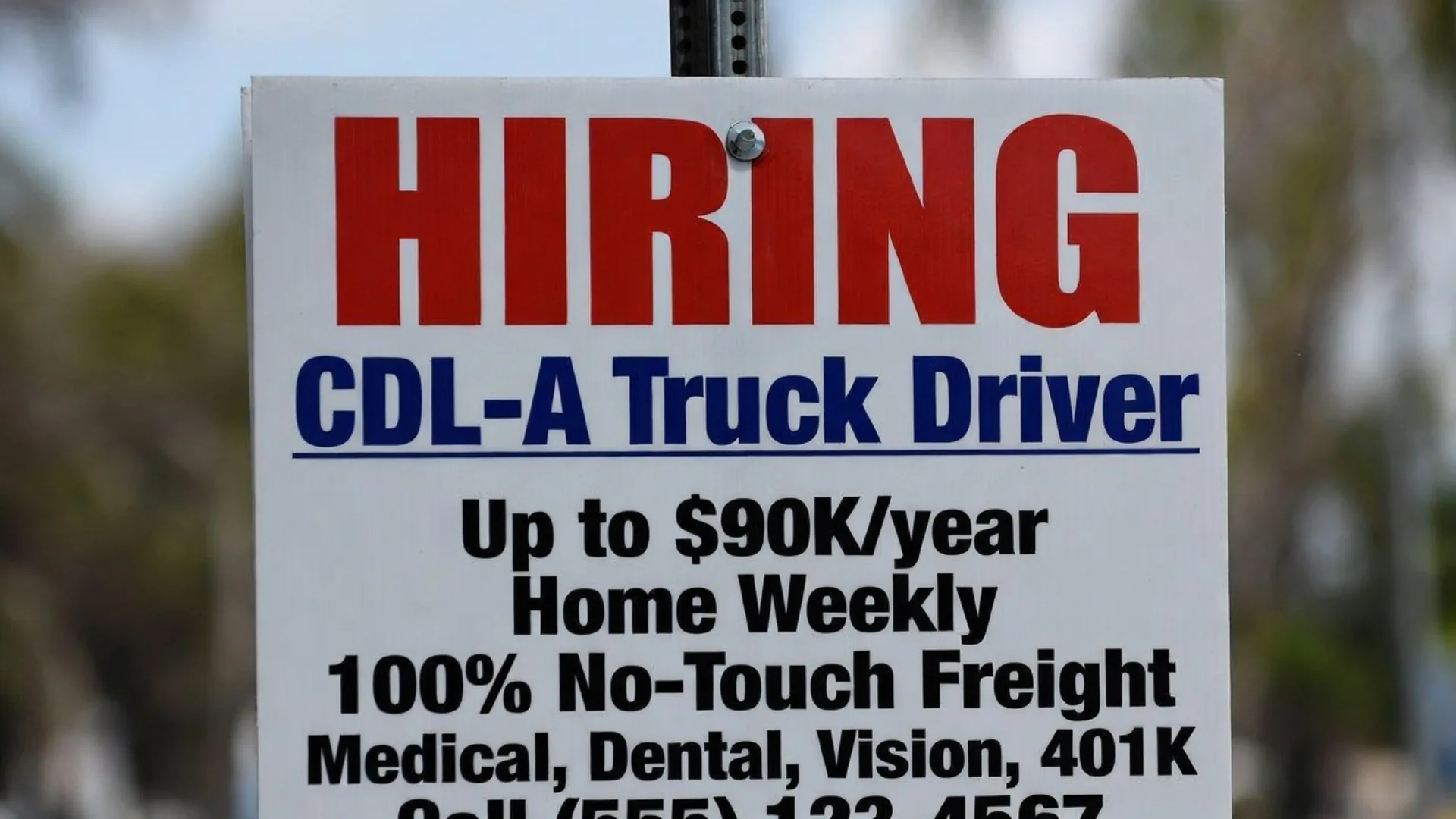
The truck driver shortage pressures carriers to hire less-qualified drivers, push experienced drivers harder, and overlook hours-of-service violations. When a carrier needs freight moved and does not have enough drivers, safety can fall behind deadlines, and those decisions become evidence after a serious truck crash.
Hiring Projections and Qualified Candidates
At its peak in 2021, the trucking industry was short over 81,000 drivers. That figure has eased, but the American Trucking Associations’ 2025 analysis framed the shortage as a quality problem as much as a numbers problem. Drug test failures, poor driving histories, and disqualifying violations make the pool of eligible candidates smaller than the raw numbers suggest.
The ATA projects the industry will need to hire approximately 1.2 million new drivers over the next decade to replace retiring drivers and meet growth in freight demand.
Shortage Causes
Several factors combine to keep the driver pool too small.
Aging Workforce
As experienced over-the-road drivers retire, the pipeline of younger replacements has not kept pace. Weeks away from home and the physical demands of long-haul driving make the job a hard sell to a new generation of workers.
Under-21 Interstate Restriction
Under 49 CFR 391.11, a driver must be at least 21 years old to operate a commercial vehicle in interstate commerce. Most states allow 18-to-20-year-olds to drive within state lines, which cuts off a large pool of potential recruits from interstate routes at the age when many workers choose careers. The FMCSA has run a pilot program to evaluate supervised under-21 drivers on interstate routes, but no permanent rule change has been finalized.
Driver Quality and Qualification
ATA leadership has described the shortage as at least as much about quality as quantity. Drug test failures under DOT protocols, poor driving records, and disqualifying medical conditions keep many applicants out of the cab. Federal driver qualification standards, including medical certifications, background checks, and skills testing, are mandatory, and a carrier desperate for drivers faces pressure to overlook marginal applicants.
Lifestyle and Pay
Long-haul trucking means extended time away from home, irregular schedules, and physical demands. Rising pay has not removed that lifestyle barrier for many workers who could otherwise qualify.
Safety Risks From Hiring Pressure
A carrier that cannot find enough qualified drivers can put five hazards on the road:
- Hiring less-qualified drivers when screening standards drop to fill seats
- Pushing drivers past legal limits, as hours-of-service violations become more common when loads must move and drivers are scarce
- Driver fatigue, one of the leading causes of serious truck crashes, as covered in an article on the dangers of fatigued driving
- Inexperienced drivers from high turnover, which has exceeded 90% a year at large truckload carriers in some years
- Skipped pre-trip inspections when schedules are tight
Carrier Records After a Crash
A shortage-driven decision, such as a driver hired in a rush, an hours-of-service violation enabled by dispatcher pressure, or a fatigued driver who should have pulled over, becomes evidence of negligence when it leads to a crash. The carrier that hired, dispatched, and kept that driver on the road can be held accountable along with the driver. Four questions shape the records review after a serious truck crash:
- Whether the carrier properly screened the driver, since driver qualification violations are a significant source of carrier liability
- Whether the driver complied with federal hours-of-service limits, which ELD data captures
- Whether the carrier had a history of DOT out-of-service violations suggesting systemic safety failures
- Whether dispatchers pressured the driver to keep driving despite required rest periods
FMCSA Standards for Commercial Drivers
The Federal Motor Carrier Safety Administration sets and enforces the rules meant to keep unqualified and fatigued drivers out of commercial trucks:
- Commercial driver’s license requirements, including written and skills tests and medical certification
- Drug and alcohol testing programs, including pre-employment, random, post-accident, and suspicion-based testing
- The Drug and Alcohol Clearinghouse, a federal database carriers must query before hiring a CDL driver
- Hours-of-service rules, with daily and weekly driving limits recorded through ELD data
- Driver qualification files documenting each driver’s qualifications and record
When a carrier cuts corners on any of these requirements and a crash results, those violations become evidence of negligence.
Was an Undertrained Driver Behind the Wheel?
Hiring pressure from the driver shortage pushes some carriers to skip background checks, rush training or overlook a bad driving record. When that shortcut ends in a crash, the driver qualification file, Clearinghouse queries and drug testing history show what the carrier knew. Sam Aguiar Injury Lawyers has a dedicated trucking team that requests those records and reads them against FMCSA standards, and Sam Aguiar was named a Forbes Best-In-State personal injury lawyer. Book a free case review to learn what your driver’s file says.
Frequently Asked Questions
1How does the truck driver shortage increase the risk of crashes?+
2Can I hold a trucking company responsible for hiring an unqualified driver?+
3What is the Drug and Alcohol Clearinghouse?+
4How do hours-of-service rules relate to the driver shortage?+
Latest Articles

Kentucky Diminished Value Claims
Kentucky drivers may pursue a repaired vehicle’s leftover market loss from the at-fault driver as part of a.
FMCSA Revoked ELDs: Fleet Compliance and Enforcement Deadlines
FMCSA removed five electronic logging devices from the registered list on August 6, 2026, and set an October.
FMCSA English Proficiency Rule and OOS Enforcement
FMCSA English Proficiency Rule Sam Aguiar Injury Lawyers August 11, 2026 7 minute read On This Page.