

Top Causes of Truck Accidents
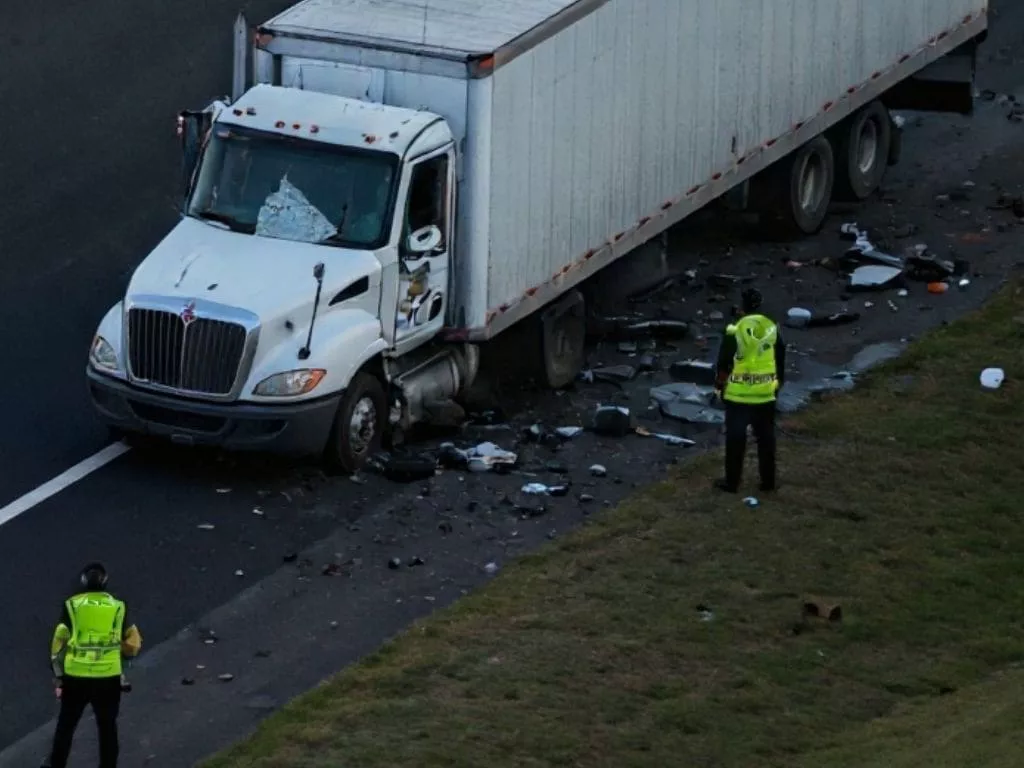
Large truck accidents in the United States come from a mix of driver behavior, carrier decisions, mechanical failures, and road conditions. The FMCSA’s Large Truck Crash Causation Study identifies driver error as the most frequent critical reason for these accidents, while vehicle defects and environmental factors also play significant roles. Each cause points to a different responsible party and a different set of evidence.
Large Truck Accident Numbers
Large trucks, those with a gross vehicle weight rating over 10,000 pounds, account for a disproportionate share of traffic deaths. The FMCSA’s Large Truck and Bus Crash Facts report documents thousands of large truck accident deaths each year nationally, with tens of thousands more injuries.
In Kentucky, I-65, I-64, I-71, and I-75 carry heavy interstate freight year-round, which makes large truck accidents a persistent problem on the state’s interstates.
Fatigued Drivers
Drowsy driving is one of the most dangerous and best documented causes of large truck accidents. Commercial drivers often work long shifts, face scheduling pressure from dispatchers, and spend hours on repetitive highway stretches that encourage microsleep. The FMCSA’s hours-of-service regulations at 49 CFR Part 395 limit fatigued driving by capping driving time at 11 hours, requiring 10 consecutive hours off duty, and mandating rest breaks.
When a fatigued driver causes an accident, ELD and ECM data can show the driver was over hours, and dispatch records can reveal carrier pressure to keep driving past legal limits. A separate page covers hours-of-service violations in truck accident cases.
Phone Use and Distraction
Federal rules prohibit commercial drivers from texting under 49 CFR 392.80 and from using a handheld phone under 49 CFR 392.82. Despite those rules, distracted driving remains a major cause of truck accidents. Cell phone use, GPS interaction, dispatch communications, and in-cab tablets all compete for a driver’s attention in a vehicle weighing up to 40 tons. In litigation, cell phone records are preserved through litigation holds and subpoenas.
Speeding and Aggressive Driving
At 65 mph, a fully loaded tractor-trailer may need more than 500 feet to stop, roughly the length of one and a half football fields. Speed increases impact force, rollover risk, and the difficulty of avoiding sudden obstacles. Many large carriers use speed governors, electronic limiters that cap truck speed, and GPS fleet monitoring that flags speed events, so a carrier’s own data can show speeding before an accident.
Mechanical Failures
Mechanical failures cause truck accidents when maintenance programs break down on vehicles under constant stress. The most common failures include:
- Brake failures, which the Large Truck Crash Causation Study found among the most common vehicle factors in accident-involved trucks
- Tire blowouts, often from underinflation, overloading, or worn tires, governed by the tire standards in 49 CFR Part 393 and covered in an article on truck tire blowout accidents
- Steering and suspension failures, which affect lane control and emergency maneuvers and should be caught in required inspections
- Lighting failures, including inoperable clearance lights, brake lights, or headlamps, a common out-of-service violation
When a mechanical failure causes an accident, liability runs to the carrier for failure to maintain the vehicle under 49 CFR Part 396, and potentially to maintenance contractors or parts manufacturers.
Improper Loading
Load weight and distribution directly affect how a truck handles. Overloaded trucks have compromised braking, loads that shift during transport change the truck’s center of gravity and raise rollover risk, and unsecured cargo can break free and strike other vehicles. The FMCSA’s cargo securement regulations in 49 CFR Part 393 set minimum standards, and violations establish liability when load problems cause an accident.
Negligent Hiring and Training
Some truck accidents trace to carrier failures that happened long before the trip began. Carriers must screen drivers, verify CDL endorsements and medical qualifications, and train new drivers. When a carrier hires a driver with a DUI history, a pattern of moving violations, or a lapsed medical certification, the carrier’s negligent hiring is a separate basis for liability, as explained on the page covering negligent hiring in truck accident cases.
Weather and Road Conditions
Commercial drivers must adjust speed and following distance in rain, fog, snow, and ice. When dispatch pressures a driver to hold a schedule in dangerous conditions, or a driver fails to slow down in a storm, those decisions create liability. Kentucky ice on elevated structures, spring flooding, and summer fog in river corridors regularly demand extra care from commercial drivers.
Each cause leaves a different evidence trail, and building a truck accident case means pursuing all of them before the records disappear.
| Accident Cause | Primary Evidence |
|---|---|
| Accident CauseDriver fatigue | Primary EvidenceELD data and dispatch records |
| Accident CauseDistraction | Primary EvidenceCell phone records |
| Accident CauseSpeeding | Primary EvidenceECM and GPS data |
| Accident CauseMechanical failure | Primary EvidenceMaintenance records and driver vehicle inspection reports |
| Accident CauseImproper loading | Primary EvidenceBills of lading and weight tickets |
| Accident CauseNegligent hiring | Primary EvidenceDriver qualification files |
Source: Federal Motor Carrier Safety Regulations, 49 CFR Parts 390 to 399
Kentucky-specific accident patterns are covered in a separate article on the top causes of big truck accidents.
Records That Explain Why the Truck Hit You
Fatigue, phone use, speeding, bad brakes, loose cargo and careless hiring each leave a different paper trail, from ELD logs to bills of lading to driver qualification files. Sam Aguiar Injury Lawyers has a dedicated trucking team that matches each cause to the records that document it. You pay $0 Out-Of-Pocket Forever along the way. A free case review is the first step toward knowing why the truck hit you.
Frequently Asked Questions
1What is the most common cause of large truck accidents?+
2Is the driver always responsible for a truck accident?+
3Can fatigue be shown in a truck accident case?+
4What role do FMCSA regulations play in determining fault?+
5Who is responsible when a truck has a mechanical failure?+
Latest Articles
Kentucky Diminished Value Claims
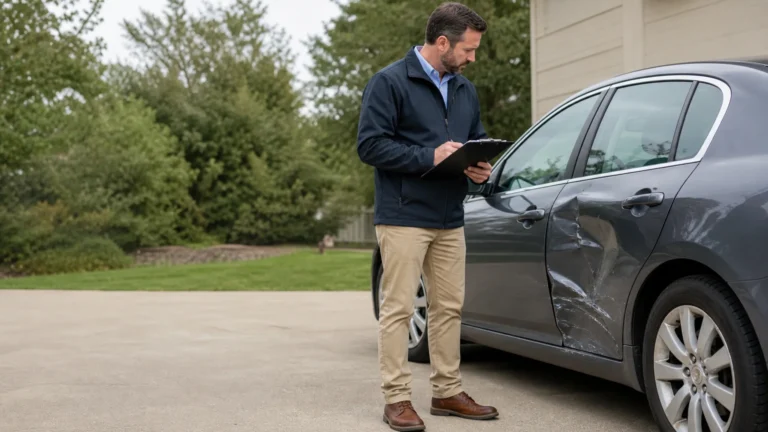
Kentucky drivers may pursue a repaired vehicle’s leftover market loss from the at-fault driver as part of a.
FMCSA Revoked ELDs: Fleet Compliance and Enforcement Deadlines
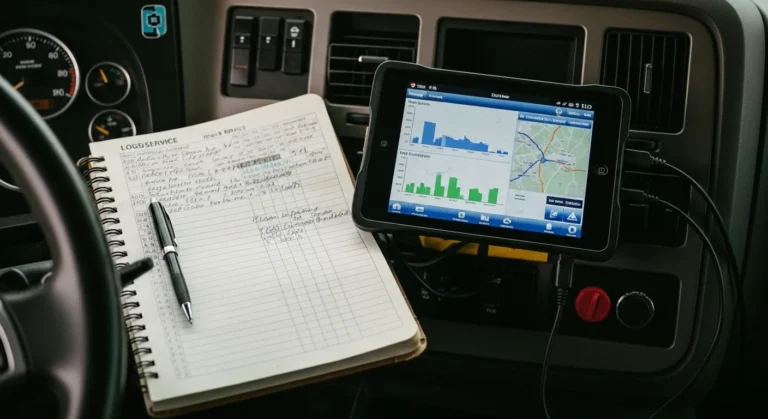
FMCSA removed five electronic logging devices from the registered list on August 6, 2026, and set an October.
FMCSA English Proficiency Rule and OOS Enforcement
FMCSA English Proficiency Rule Sam Aguiar Injury Lawyers August 11, 2026 7 minute read On This Page.