

Car Accident Rib Fractures
Key Takeaways
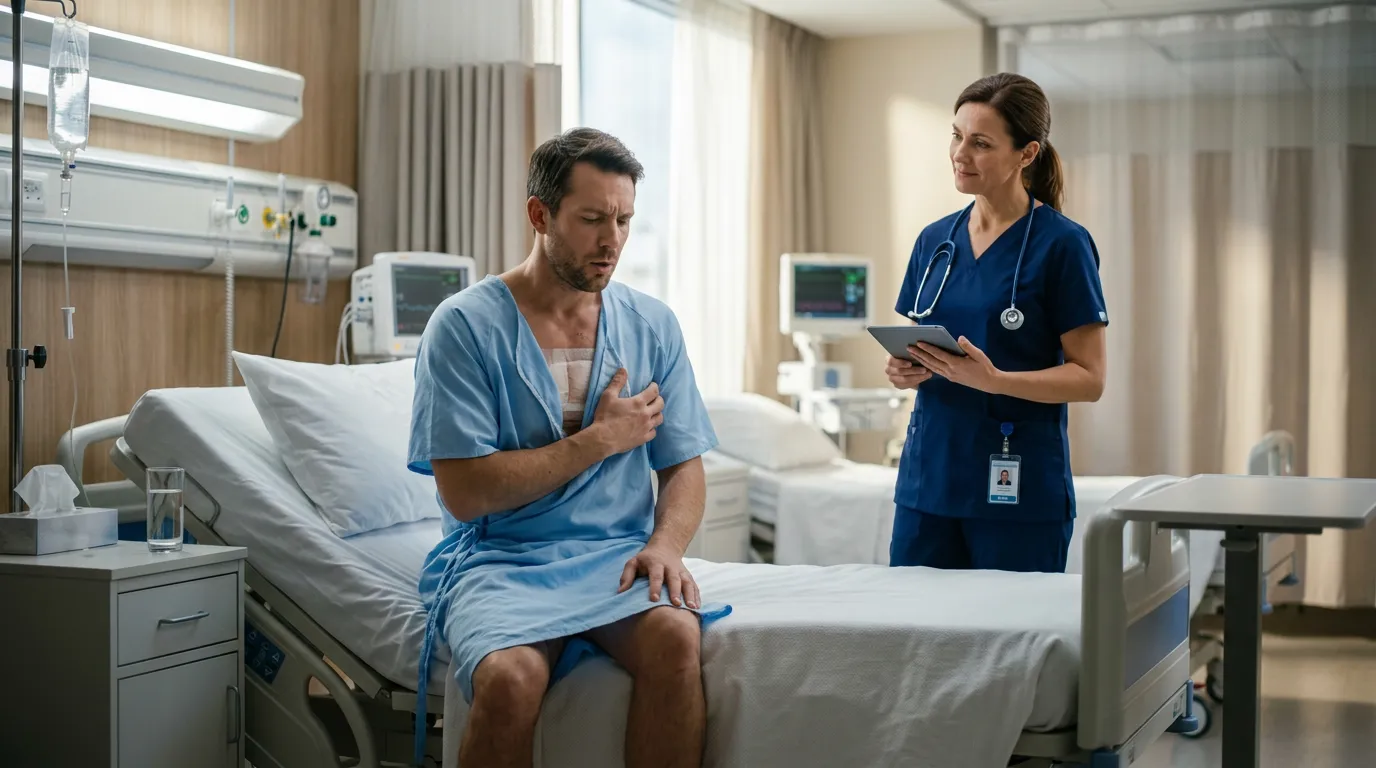
- A chest X-ray finds only about 50 percent of isolated rib fractures, according to StatPearls, and chest CT is the gold standard for finding them.
- In a 2013 American Journal of Surgery study of 203 rib fracture patients, 59 percent still had prolonged chest wall pain 2 months after injury.
- Patients 65 and older with rib fractures had twice the mortality of younger patients with similar injuries in a Level I trauma center study.
Rib Fracture Basics
A rib fracture is a break in one of the 12 pairs of ribs that shield the heart, lungs, liver, spleen, and kidneys. The StatPearls review of rib fractures on the NCBI Bookshelf says ribs 4 through 10 are “typically the most vulnerable,” while ribs 1 through 3 are the hardest to break and signal a high degree of force when they do.
The Cleveland Clinic reports that around 30 percent of people who suffer trauma to the chest break at least one rib, and it names car accidents among the most common causes. A bruise without a break is covered on the bruised ribs after a car accident page, and other chest wall injuries are on the chest injuries from a car accident page.
Nondisplaced and Displaced Breaks
Doctors sort rib fractures by whether the pieces of bone moved. In a nondisplaced fracture, the rib breaks but the pieces stay in line. In a displaced fracture, the pieces shift far enough to leave a gap, and the Cleveland Clinic notes that displaced fractures are much more likely to need surgery.
The StatPearls rib fracture review names flail chest among the most severe complications of rib fractures. StatPearls on flail chest defines it as fractures of 3 or more ribs in a row, each broken in at least 2 places, which leaves a section of chest wall floating free. The rib fracture review also says multiple, displaced, or complicated rib fractures may need hospital monitoring for breathing failure or surgery.
Impact and Airbag Forces
A study in the International Journal of Legal Medicine explains that the chest strikes the steering wheel or instrument panel in frontal impacts and the side door in side impacts. Of the 874 motor vehicle occupants in that study who died, 685 had at least one broken rib.
Airbags can break ribs too. A study of post-mortem human surrogates in Stapp Car Crash Journal tested drivers seated too close to the airbag. Both the first punch-out phase and the later membrane phase of deployment caused chest injuries, and the injuries were more severe when the two phases combined.
StatPearls reports that motor vehicle accidents cause about 75 percent of the major trauma cases that lead to flail chest. According to StatPearls, direct blows to the chest are more likely to break one rib in 2 places, while rollover and crush injuries “tend to cause single-point rib fractures.” Shoulder belt injuries across the chest are covered on the car accident seatbelt injuries page.
Signs and Symptoms
The Cleveland Clinic lists pain that worsens with breathing, coughing, or moving the upper body as the main symptom, along with tenderness and bruising. StatPearls adds that people with a rib fracture may not be able to take a full breath because of the pain, and that low oxygen, fast breathing, or breathing distress should prompt a search for a collapsed lung, bleeding in the chest, or a bruised heart or lung.
MedlinePlus on collapsed lung lists sharp chest or shoulder pain made worse by a deep breath or cough, shortness of breath, bluish skin, lightheadedness, and a rapid heart rate. Its hemothorax entry adds rapid, shallow breathing and pale, cool, clammy skin. StatPearls describes the sign of flail chest: a section of chest wall that sinks inward as the rest of the chest expands.
Symptoms That Need Prompt Medical Attention
- Shortness of breath or trouble breathing
- Sharp chest or shoulder pain that worsens with a deep breath or cough
- Rapid, shallow breathing
- Bluish color of the skin
- Lightheadedness or near fainting
- Pale, cool, clammy skin or a rapid heart rate
- A section of the chest wall that sinks inward on a breath in
Why Clients Choose Sam Aguiar
Pneumothorax, Hemothorax, and Pulmonary Contusion
A broken rib can injure the lung beside it. MedlinePlus lists rib fracture as one cause of pneumothorax, a collapsed lung in which air escapes from the lung and fills the space between the lung and the chest wall. The Cleveland Clinic notes that bone pieces pushed inward can cut, puncture, or bruise the organs the ribs protect.
Hemothorax is a collection of blood in that same space. MedlinePlus names chest trauma as its most common cause and describes treatment with a chest tube placed between the ribs to drain the blood and air.
Pulmonary contusion is a bruise of the lung tissue itself. The StatPearls entry on pulmonary contusion calls it the most commonly identified lung injury in blunt chest trauma, found in 30 to 75 percent of cases. Lower rib injuries also lead doctors to check the kidney, liver, and spleen, according to StatPearls. Those injuries are covered on the car accident internal organ injuries page.
Flail Chest Injuries
StatPearls calls the inward movement of a flail segment on each breath in “paradoxical” motion and says it keeps the lungs from moving air effectively. StatPearls puts flail chest at roughly 7 percent of chest trauma patients and calls a bruise of the lung beside the flail segment “nearly universal.”
StatPearls reports mortality of 10 to 20 percent, often from the injuries that come with flail chest. A 10-year review of 376 flail chest patients in intensive care, published in BMC Anesthesiology, found an overall mortality rate of 19.9 percent. The same article reports that pneumonia occurs in 27 to 70 percent of flail chest patients who are not treated with surgery, with a 51 percent mortality rate.
| Feature | Isolated rib fracture | Flail chest |
|---|---|---|
| Break pattern | One or more ribs, each broken in one place | 3 or more ribs in a row, each broken in at least 2 places |
| Chest wall motion | Moves with the rest of the chest | Loose segment sinks inward on a breath in |
| Treatment StatPearls describes | Pain relief, rest, ice, and an incentive spirometer | Oxygen, pain control, breathing support, and surgical fixation for selected patients |
Imaging and Diagnosis
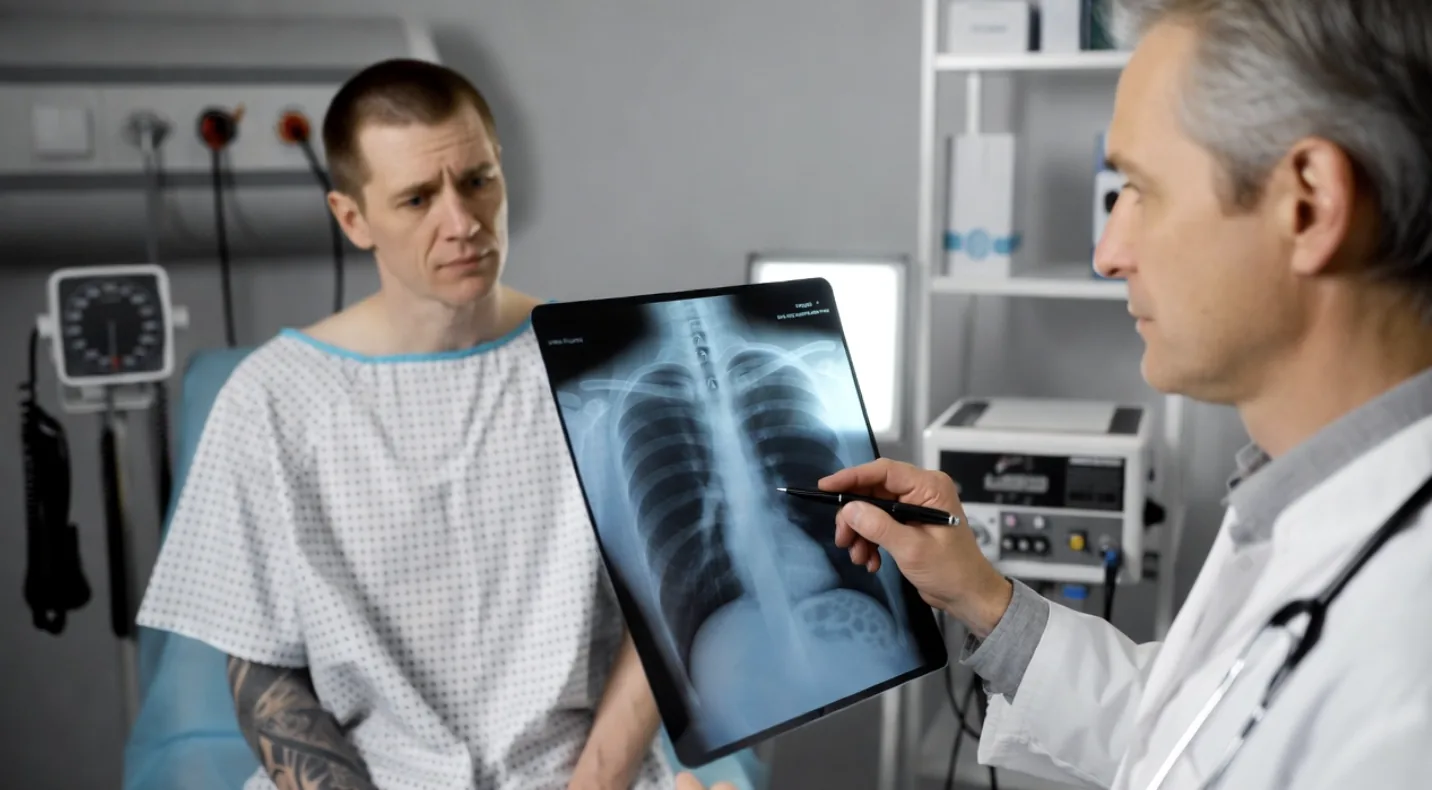
StatPearls says a rib fracture can be diagnosed from the history and physical exam without imaging, and that a chest X-ray finds only about 50 percent of isolated rib fractures. StatPearls on flail chest adds that a dedicated rib series can still miss up to one-fourth of rib fractures. Chest CT is the gold standard for finding rib fractures, according to StatPearls, and CT with 3-dimensional reconstruction maps a flail segment in more detail.
StatPearls says point-of-care ultrasound can detect rib fractures and a collapsed lung at the bedside. The Cleveland Clinic adds that MRI shows the muscles, connective tissue, and organs around the break. StatPearls also lists sternal fracture among the injuries doctors rule out, covered on the car accident sternum fractures page.
Pain Control and Breathing Exercises
StatPearls on flail chest explains that pain makes people hold the chest still, which leads to shallow breaths, a weak cough, and collapsed air sacs in the lung (atelectasis). The Cleveland Clinic says that taking shallower breaths while a rib is fractured raises the risk of pneumonia.
For simple, isolated fractures, StatPearls describes pain relief, rest, ice, and an incentive spirometer to prevent atelectasis. Intercostal nerve blocks are another option for pain. Rib taping is no longer recommended because it can limit the breath in. For flail chest, StatPearls adds oxygen and breathing support, with surgical fixation for selected patients.
The Cleveland Clinic calls surgery for a rib fracture rare unless the injury also damaged internal organs. StatPearls lists the typical indications for surgical stabilization as a rib that fails to heal, chest wall deformity, pain severe enough to cause breathing failure, and flail chest.
Older Adults and Rib Fractures
In a Level I trauma center study published in the Journal of Trauma, pneumonia developed in 31 percent of patients 65 and older with rib fractures, compared with 17 percent of younger adults. Mortality was 22 percent in the older group and 10 percent in the younger group. For each additional rib fracture in older patients, mortality rose by 19 percent and the risk of pneumonia by 27 percent.
StatPearls ties the higher risk to age-related stiffening of the chest wall and to osteoporosis. In the International Journal of Legal Medicine study, increasing age was the strongest predictor of one or more rib fractures.
Healing Time and Lasting Pain
The Cleveland Clinic says most people need at least a month to recover from a rib fracture, and recovery can take longer when other injuries are present. StatPearls reports that most people with flail chest need 6 to 12 months to recover fully, and some have chest pain for many years.
The authors of a 2013 American Journal of Surgery study note that clinicians are traditionally taught that rib fracture pain and disability resolve in 6 to 8 weeks. In their prospective study of 203 rib fracture patients at a Level I trauma center, 59 percent still had prolonged chest wall pain at 2 months, and 76 percent had prolonged disability. Among patients with isolated rib fractures, 64 percent had prolonged pain and 66 percent had prolonged disability.
A 2014 American Journal of Surgery study by the same research team followed 203 rib fracture patients for 6 months and found chronic pain in 22 percent and disability, a drop in work or daily function, in 53 percent. Among patients with isolated rib fractures, 28 percent had chronic pain and 40 percent had disability.
Emergency imaging reports, discharge notes, and follow-up visit records show how a rib fracture was found and how it healed. Keeping those records together with the car accident report gives the case file one clear timeline.
Ready to Take Action on Your Case?
After a serious injury, medical bills pile up while the insurance company looks for ways to pay you less. Most law firms take their cut first and leave you with whatever is left. Sam Aguiar Injury Lawyers does things differently. With our exclusive Bigger Share Guarantee®, you always get more. Every client gets a dedicated three-person team: an attorney, a case manager, and a legal assistant. We never raise our fee rate if we have to go to court, and you pay $0 Out-Of-Pocket Forever.