

Sideswipe Accident Injury Cases
Sideswipe Accident Cases
 ★★★★★
Over 1,000 Five-Star Reviews
•
Available 24/7. $0 Out-Of-Pocket Forever.
★★★★★
Over 1,000 Five-Star Reviews
•
Available 24/7. $0 Out-Of-Pocket Forever.
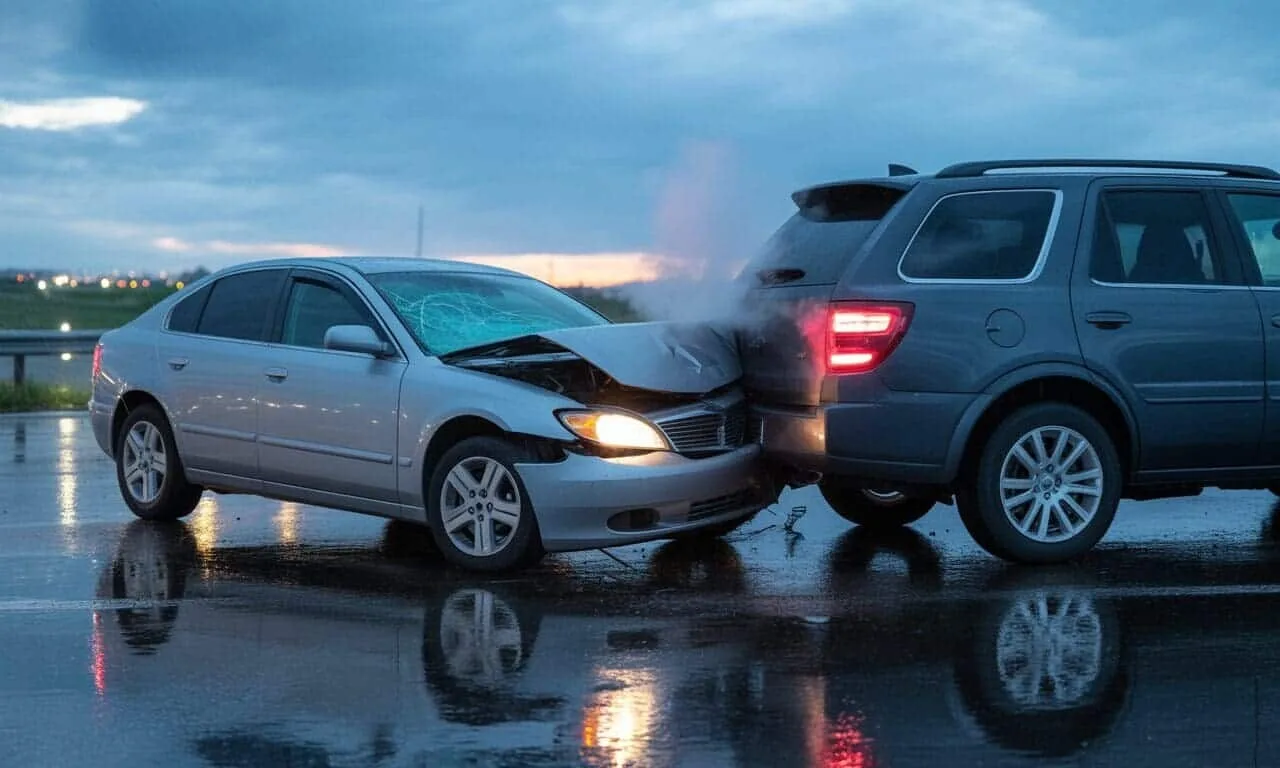
How Sideswipe Accidents Happen
A sideswipe is contact between the sides of two vehicles, usually during a lane change, a merge, or when one driver drifts out of their lane. Sideswipe collisions, both meeting and passing, made up 22.6% of the two-vehicle collisions reported in Kentucky in 2024 and 5.4% of fatal two-vehicle collisions. Even a minor side-to-side impact at highway speed can send a vehicle spinning into a barrier, off the road, or into oncoming traffic.
Fault Disputes in Sideswipe Accidents
Sideswipe accidents are harder to prove than they look because both drivers may claim the other drifted into their lane. In a rear-end collision, the following driver is usually at fault. On a road with three or more marked lanes in one direction, KRS 189.340(7)(a) requires a driver to stay as nearly as practical within a single lane and not leave it until the move can be made safely, and under KRS 446.070 a person injured by a statutory violation may recover damages from the offender. A sideswipe often produces a “he said, she said” dispute, and without strong evidence it comes down to credibility. Insurance companies use that ambiguity to deny or undervalue cases.
Sideswipe Accident Evidence
Six types of evidence show which vehicle left its lane.
- 1
Damage Patterns
The location, angle, and depth of damage on both vehicles show which vehicle moved into the other’s lane.
- 2
Lane Markings and Paint Transfer
Physical evidence on the road surface and on both vehicles.
- 3
Dash Cam and Traffic Camera Footage
The clearest evidence of who drifted, especially on Louisville’s high-traffic roads.
- 4
Witness Statements
Accounts from independent observers who saw the lane departure.
- 5
Vehicle EDR (Black Box) Data
Steering inputs, speed, and lane-departure warnings in the seconds before impact.
- 6
Cell Phone Records
Records showing the other driver was texting or on a call when they drifted.
Secondary Crashes After a Sideswipe
The lateral force of a sideswipe at 65 mph can cause a driver to overcorrect, spin into a barrier, roll over, or cross into oncoming traffic. The initial contact may look minor, but the secondary crash can cause catastrophic injuries, including traumatic brain injury, spinal cord damage, and seatbelt injuries from the violent deceleration that follows. When the sideswipe set the secondary crash in motion, the driver who caused the sideswipe can be responsible for the injuries from both impacts.
Common Injuries in Sideswipe Accidents
Lateral impact loads the side of the body nearest the point of contact.
- Shoulder and arm injuries, because the side of impact drives the force directly into the nearest arm and shoulder
- Traumatic brain injuries (TBI) from head-to-window or head-to-pillar contact during lateral impact
- Broken ribs and chest injuries from the side airbag, door panel, or armrest
- Whiplash and neck injuries, because lateral forces strain the neck differently than front-to-rear impacts
- PTSD and anxiety, especially when the sideswipe triggers a secondary crash or rollover
Hurt in a Sideswipe Accident?
Sam Aguiar Injury Lawyers takes sideswipe cases on these terms:
- Dedicated three-person team: a top-rated attorney, an experienced case manager, and a skilled legal assistant.
- Bigger Share Guarantee®: Clients always walk away with more money than the firm after medical bills, liens, and case expenses are paid. If the client’s share would ever be less than the legal fee, the firm cuts its fee.
- Flat contingency fee that never increases if your case goes to trial.
- $0 Out-Of-Pocket Forever.
The central question in a sideswipe case is which driver left the lane, and paint transfer, damage angles, dash cam video, and the other driver’s phone records answer that question before the vehicles are repaired. You focus on getting better. We handle everything else. Ask for a free case review about your sideswipe accident.
Key Takeaways
Which Driver Left Their Lane?
Sideswipe crashes often turn into a dispute over who drifted, and each driver tends to remember staying inside the lines. Sam Aguiar Injury Lawyers answers that question with paint transfer, damage patterns and DOT and TRIMARC traffic camera archives reaching back about six months. If the first impact pushed you into a secondary crash, those losses belong in your case too. Call today for a free case review.
Frequently Asked Questions
1Who is at fault in a sideswipe accident?+
The driver who departed their lane is typically at fault, though insurance companies often dispute this and try to assign shared fault. Dash cam footage, damage patterns, witness statements, and vehicle data records show which driver moved out of their lane.
2Are sideswipe accidents serious?+
They can be extremely serious. The initial side-to-side contact may seem minor, but sideswipes at highway speed frequently cause secondary crashes, spinouts, rollovers, and collisions with barriers or other vehicles, producing injuries that include traumatic brain injury and spinal cord damage.
3What evidence shows who caused a sideswipe?+
Damage patterns showing the location, angle, and depth of contact on both vehicles, lane markings and paint transfer, dash cam and traffic camera footage, witness statements, and vehicle EDR data on steering inputs and speed all show which driver drifted.
4Can a sideswipe cause a rollover or barrier collision?+
Yes. A side impact at highway speed can cause a driver to overcorrect, spin into a barrier, roll over, or cross into another lane. Those secondary impacts often cause the most serious injuries in a sideswipe sequence.
5What causes most sideswipe accidents?+
Blind spot failures, distracted driving, unsafe lane changes, drowsy driving on long highway stretches, narrow lanes near work zones, and aggressive lane crowding are the most frequent causes.