

Kentucky Trucking Resource Center
Truck Accident Resources
 ★★★★★
Over 1,000 Five-Star Reviews
•
Available 24/7. $0 Out-Of-Pocket Forever.
★★★★★
Over 1,000 Five-Star Reviews
•
Available 24/7. $0 Out-Of-Pocket Forever.
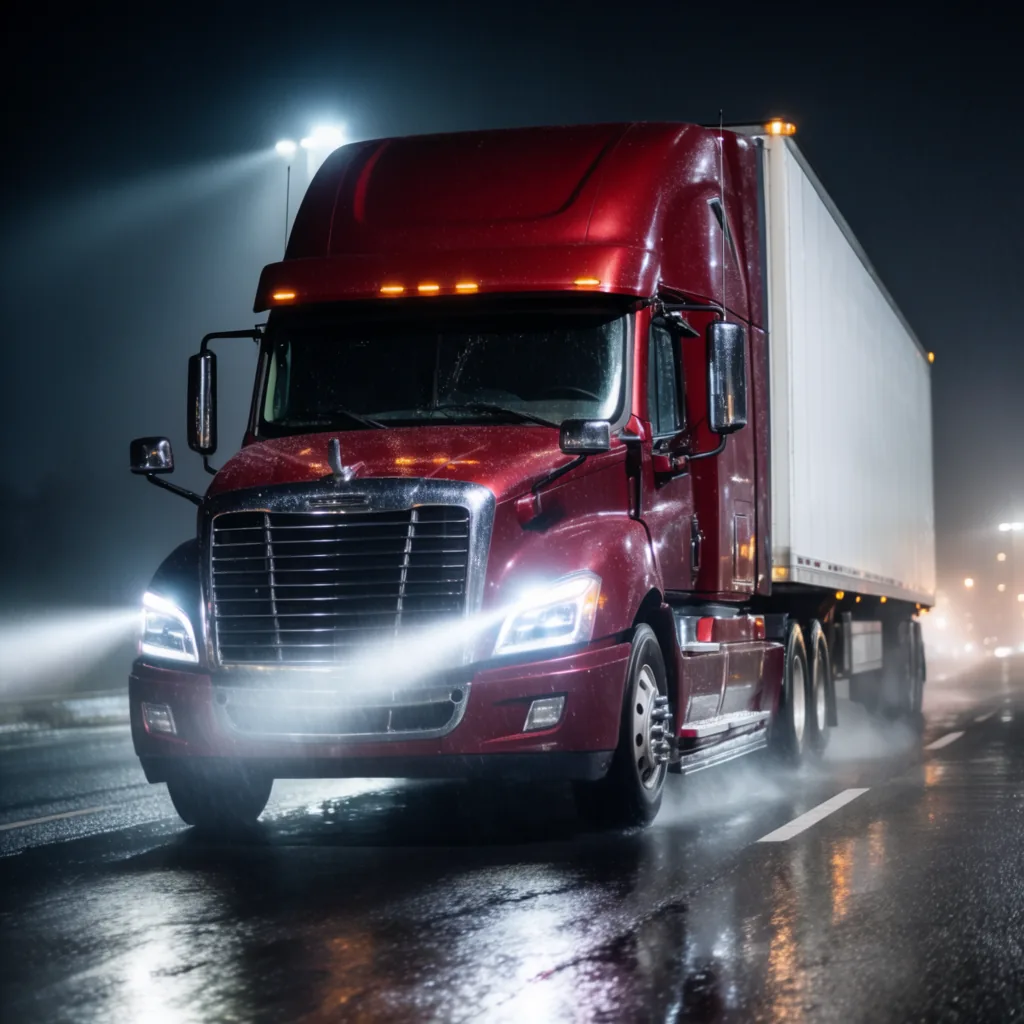
Kentucky Truck Traffic Corridors
Interstate routes including I-64, I-65, I-71, I-75, and I-24 link Kentucky to major markets throughout the Midwest, South, and East Coast. The same highways that families, businesses, and communities depend on carry a steady flow of commercial traffic.
In and around Louisville, Lexington, Northern Kentucky, Bowling Green, and Paducah, drivers share the road with tractor-trailers, delivery vehicles, box trucks, tankers, and construction vehicles. UPS Worldport in Louisville and major air-cargo and distribution operations in Northern Kentucky add to the flow of trucks on local roads and interstates.
A dangerous situation can develop without any reckless driving. A fully loaded truck takes longer to slow down, needs more room to turn, and has large blind spots along both sides and directly behind the trailer. Congestion near interchanges, sudden lane changes, construction zones, bad weather, and the stop-and-go traffic common around cities can leave very little margin for error.
The size and weight difference can make a crash especially devastating for people in smaller vehicles. In 2024, the Insurance Institute for Highway Safety reported that 96 percent of vehicle occupants killed in two-vehicle crashes involving a passenger vehicle and a large truck were occupants of the passenger vehicles.
Trucking Evidence
Pages in this group cover case evidence, truck safety systems, rapid-response teams, driver statements, and pre-trip inspections.
Federal Trucking Rules
Hours-of-service rules and penalties, FMCSA enforcement changes, driver medical qualifications, and MCS-90 insurance coverage each have a page below.
- Hours of Service
- FMCSR Overview
- Hours of Service Penalties
- FMCSA Enforcement Changes
- Driver Medical Qualifications
- MCS-90 Coverage
- Left-Lane Rules for Semis
Types of Truck Crashes
Jackknife, underride, tire blowout, UPS, Amazon, FedEx, and garbage truck crashes each have a resource page, along with an overview of truck crash causes.
- Truck Accident Causes
- Jackknife Accidents
- Underride Accidents
- Tire Blowout Accidents
- UPS Truck Accidents
- Amazon Truck Accidents
- FedEx Truck Accidents
- Garbage Truck Accidents
- Reefer Truck Accidents
- Commercial Vehicle Accidents
Truck Talk
Each episode discusses the records, regulations, and safety issues that arise in commercial truck crashes, from black box data to work zone safety.
- Truck Accident Investigations
- Black Box Data
- Truck Inspections
- Driver Qualifications
- Truck Blind Spots
- Crash Responsibility
- Trucking Insurance
- Work Zone Safety
Browse all Truck Talk episodes
Choosing a Truck Accident Lawyer
Four pages cover what to ask and what to look for when selecting counsel for a trucking case.
Kentucky and Federal Records
Local care, court, collision-report, and federal carrier-safety resources are grouped by Louisville, Kentucky, and federal sources.
- 1
- 2
- 3
Featured Trucking Articles
Current articles report on the FMCSA regulatory agenda, freight broker liability, and a Supreme Court freight broker ruling.
- FMCSA Regulatory Agenda
- Freight Broker Liability
- Supreme Court Freight Broker Ruling
- Carrier Tactics After a Wreck
Hurt in a Truck Crash on a Kentucky Interstate?
The pages above explain the evidence, federal rules, and records behind a truck crash case, and a free case review applies them to your own crash. Sam Aguiar Injury Lawyers takes truck crash cases under the Bigger Share Guarantee®. Clients always walk away with more money than the firm after medical bills, liens, and case expenses are paid. If the client’s share would ever be less than the legal fee, the firm cuts its fee. You focus on getting better. We handle everything else.
Reach the firm’s truck crash intake through a free case review. $0 Out-Of-Pocket Forever.
Looking for Answers After a Truck Crash?
This resource center covers Kentucky’s trucking corridors, federal rules, and the records that shape a truck case, but reading only goes so far after a serious crash. Sam Aguiar Injury Lawyers puts a dedicated trucking team and a dedicated three-person case team on your case. You pay $0 Out-Of-Pocket Forever. Call today for a free case review.
Frequently Asked Questions
1Why is truck traffic heavy on Kentucky roads?+
Interstate routes including I-64, I-65, I-71, I-75, and I-24 link Kentucky to major markets throughout the Midwest, South, and East Coast. UPS Worldport in Louisville and major air-cargo and distribution operations in Northern Kentucky add to the flow of trucks on local roads and interstates.
2Why do crashes with large trucks leave so little margin for error?+
A fully loaded truck takes longer to slow down, needs more room to turn, and has large blind spots along both sides and directly behind the trailer. Congestion near interchanges, sudden lane changes, construction zones, bad weather, and stop-and-go city traffic can leave very little margin for error.
3Who is most often killed in a crash between a passenger vehicle and a large truck?+
Occupants of the passenger vehicle. In 2024, the Insurance Institute for Highway Safety reported that 96 percent of vehicle occupants killed in two-vehicle crashes involving a passenger vehicle and a large truck were occupants of the passenger vehicles.
4What topics does this truck accident resource center cover?+
Resources are grouped into trucking evidence, federal trucking rules, types of truck crashes, Truck Talk episodes, choosing a truck accident lawyer, Kentucky and federal records, and featured trucking articles.
5Where can I find Kentucky collision reports and federal carrier safety records?+
The Kentucky and Federal Records section links to Kentucky collision reports, Kentucky court records, FMCSA SAFER snapshots, and FMCSA safety records.